The World of Franz Kafka
Introduction to Franz Kafka
A Life in Prague
Franz Kafka was born in 1883 in Prague, then part of the Austro-Hungarian Empire. He was the eldest of six children in a middle-class, German-speaking Jewish family. Only he and his three younger sisters, Gabriele, Valerie, and Ottla, survived into adulthood.
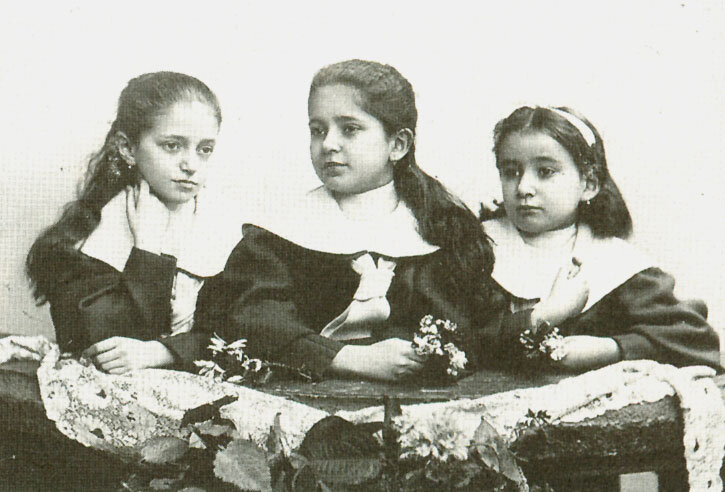
His father, Hermann Kafka, was a domineering and pragmatic businessman who had pulled himself up from poverty. Franz's relationship with his father was famously strained. He saw Hermann as a figure of immense strength and authority, a standard he felt he could never meet. This difficult dynamic cast a long shadow over Kafka's life and heavily influenced the themes of power, authority, and alienation in his writing. His mother, Julie, was quieter and more reserved, often caught between her husband's demands and her son's sensitivities.
Education and Early Career
As a German-speaking Jew in a largely Czech-speaking city, Kafka existed between cultures. He attended German-language schools, eventually enrolling at the German Charles-Ferdinand University in Prague. He initially studied chemistry but switched to law after just two weeks. Law was a more practical choice that pleased his father, but it didn't ignite any passion in him.
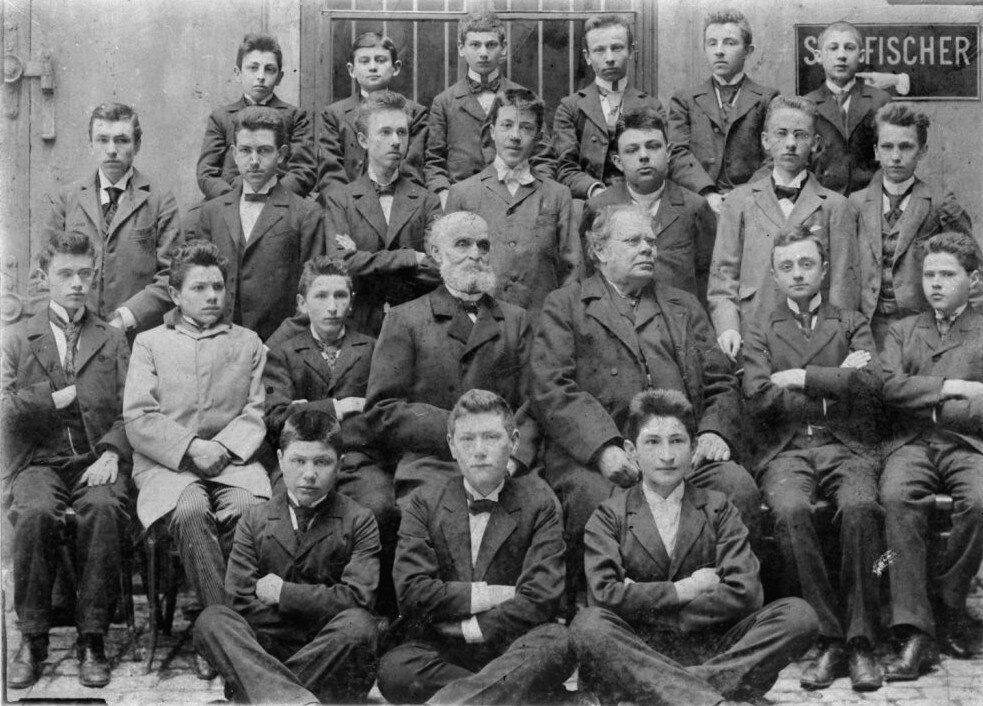
During his university years, he met Max Brod, who would become his lifelong friend, editor, and posthumous publisher. Despite Kafka's wishes to have his unpublished work burned, Brod recognized its genius and saved it for the world. After earning his Doctorate of Law in 1906, Kafka began his professional life.
The Double Life
Kafka worked as a clerk at the Worker's Accident Insurance Institute for the Kingdom of Bohemia. By all accounts, he was a diligent and capable employee, respected for his competence and dedication. The steady job provided financial security and a respectable daytime identity.
But his real life began at night. After returning from the office, he would devote himself to writing, often working late into the early morning hours. This created a deep conflict. His job drained the energy he desperately wanted to pour into his art. He felt torn between the mundane demands of bureaucracy and the profound, often terrifying, worlds he was creating on the page.
Kafka’s storytelling, often characterized as “Kafkaesque,” plunges readers into unsettling worlds where characters face incomprehensible systems and struggles.
His personal life was equally fraught with tension. He was engaged several times, most notably twice to Felice Bauer, but never married. His relationships were often intense and carried out primarily through letters, where he could express his anxieties and affections from a safe distance. In person, he was plagued by self-doubt and fear of commitment.
In 1917, Kafka was diagnosed with tuberculosis, a condition that forced him to retire from his job and spend time in sanatoriums. His health steadily declined, and he died in 1924 at the age of 40, leaving behind a body of work that would secure his place as one of the most important writers of the 20th century.
Let's review some of the key figures from Kafka's life.
Now, check your understanding of Kafka's biography.
What was Franz Kafka's cultural and linguistic background in his hometown of Prague?
Which family member had the most significant and famously strained influence on Kafka's life and work, often representing themes of power and alienation?
Kafka's life was one of quiet struggle, marked by internal conflicts that fueled his extraordinary literary vision.