The World of Food Packaging
Introduction to Food Packaging
More Than Just a Box
Think about the last thing you ate. Chances are, it came in some kind of package. Food packaging is the science and art of enclosing food to protect it from outside influences and damage. It’s a crucial part of our modern food system, keeping our food safe, fresh, and convenient.
But it does more than just hold things together. Good packaging makes it possible to transport food from a farm to a factory, then to a store, and finally into your kitchen, all while maintaining its quality. Without it, our grocery stores would look very different, and many of the foods we enjoy daily wouldn't be available.
The role of packaging can be broken down into three main jobs: protection, containment, and communication.
The Three Core Functions
Protection is the most critical function. Packaging acts as a shield against a variety of threats. Physically, it guards against being crushed, dropped, or vibrated during shipping. Think of a carton of eggs—the design is all about preventing breakage.
It also provides a barrier against the environment. Oxygen can cause foods to spoil or go stale, light can degrade vitamins and colors, and moisture can make crispy foods soggy. Packaging, like the airtight bag for potato chips, is engineered to control these factors and keep the food inside as fresh as the day it was made.
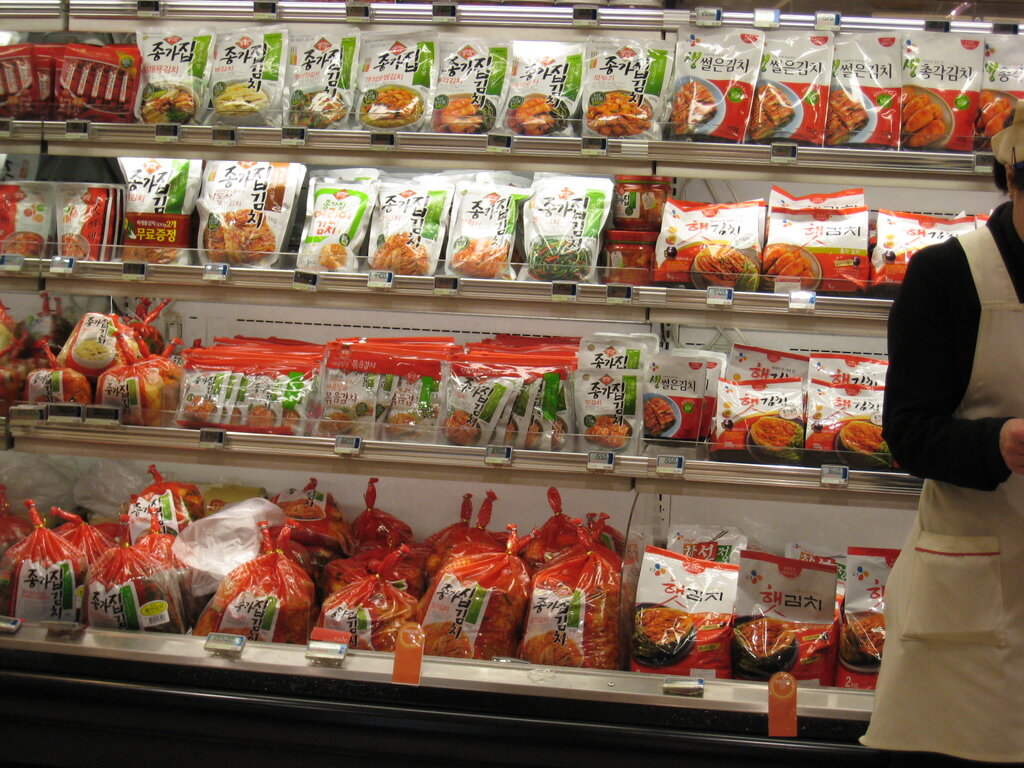
Containment is the most basic function. Packaging simply needs to hold the food. This is essential for anything that isn't solid and self-contained. Liquids like milk and juice need cartons or bottles. Powders like flour and sugar need bags. Without containment, these products would be impossible to handle, store, or sell efficiently.
Communication is the silent salesperson. The package is often the first interaction a customer has with a product. It uses branding, colors, and logos to grab attention and build brand identity. More practically, it provides vital information.
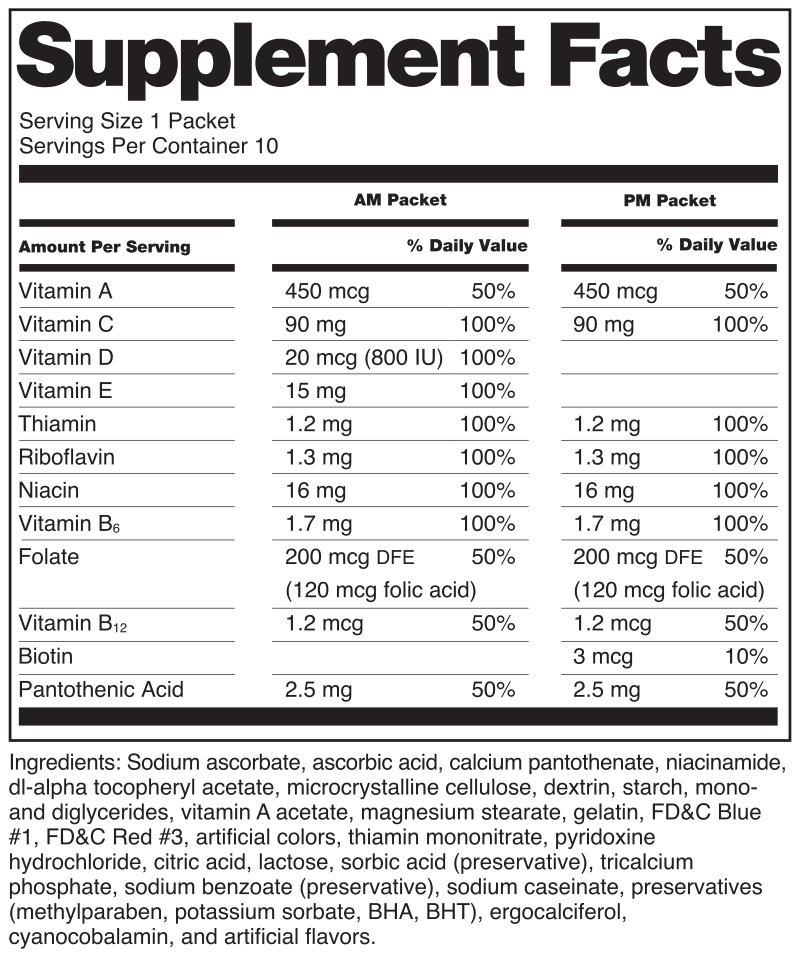
The label tells you what the product is, who made it, and how much is inside. It lists ingredients, nutritional information, and any potential allergens. It also includes cooking instructions, storage advice, and expiration dates.
A Brief History of Packaging
Food packaging isn't a modern invention. For thousands of years, people used natural materials to store and carry food. Think of woven baskets for grains, gourds for water, and large leaves to wrap meats and cheeses.
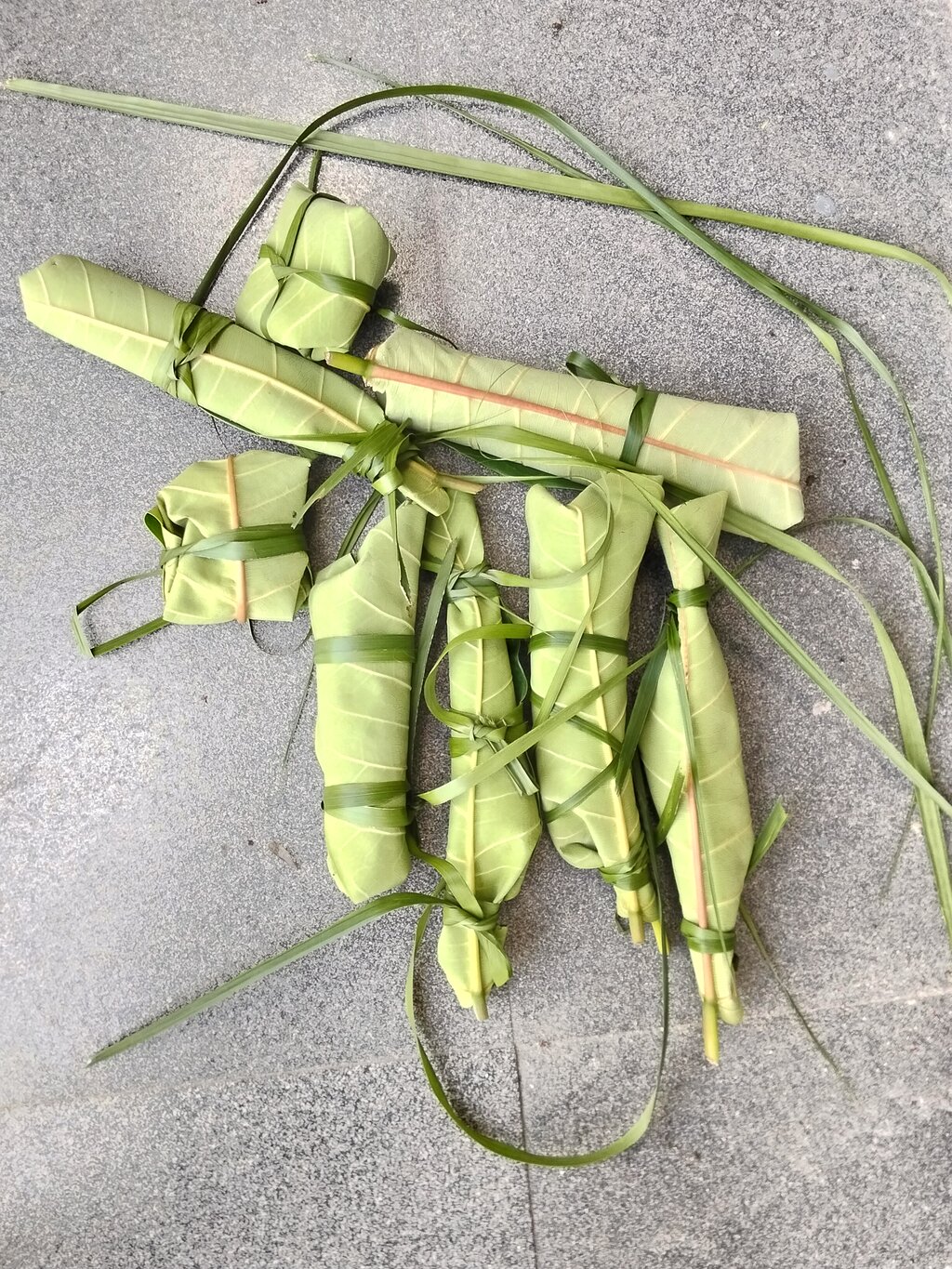
The first manufactured containers were pottery and glass, which offered better protection and durability. But the big leap forward came in the 19th century. In the early 1800s, the tin can was invented, allowing food to be preserved for years. This revolutionized food supply for soldiers, sailors, and explorers.
Later in the century, the mass production of paperboard boxes, like the ones used for Kellogg's Corn Flakes, made it easier to brand and sell dry goods directly to consumers. The 20th century brought the rise of plastics, which were cheap, lightweight, and incredibly versatile, leading to the wide variety of packaging we see today.
Impact on Our Food System
The evolution of packaging has fundamentally shaped our modern food system. It allows food to be produced in one part of the world and safely consumed in another, extending the availability of seasonal products and increasing food variety.
Packaging also plays a huge role in reducing food waste. By extending shelf life and protecting food from spoilage, it ensures that more of the food we produce actually gets eaten. From simple leaf wraps to complex multi-layer cartons, packaging is an unsung hero of the kitchen.
Ready to check your understanding?
Which of the following is NOT described as one of the three primary functions of food packaging?
An airtight bag used for potato chips is a specific example of which packaging function?
Packaging is the bridge between the food producer and you, ensuring what you eat is safe, fresh, and exactly what you expect.