The World of Fashion
Introduction to Fashion History
The Language of Clothes
Clothing is more than just something we wear. It’s a silent language that tells a story about who we are, where we come from, and the times we live in. Throughout history, fashion has been a mirror, reflecting the values, beliefs, and structure of societies around the world. From the simple linens of ancient Egypt to the structured suits of the 20th century, what people wore reveals how they saw themselves and their world.
Fashion acts as a historical record, woven from the threads of daily life, social change, and cultural identity.
Ancient Expressions
In ancient Egypt, the hot, dry climate called for simple, lightweight clothing. Most garments were made from linen, a fabric derived from the flax plant. Men typically wore a short kilt, while women wore straight, sheath-like dresses held up by straps. Simplicity in clothing, however, didn't mean a lack of style or meaning.
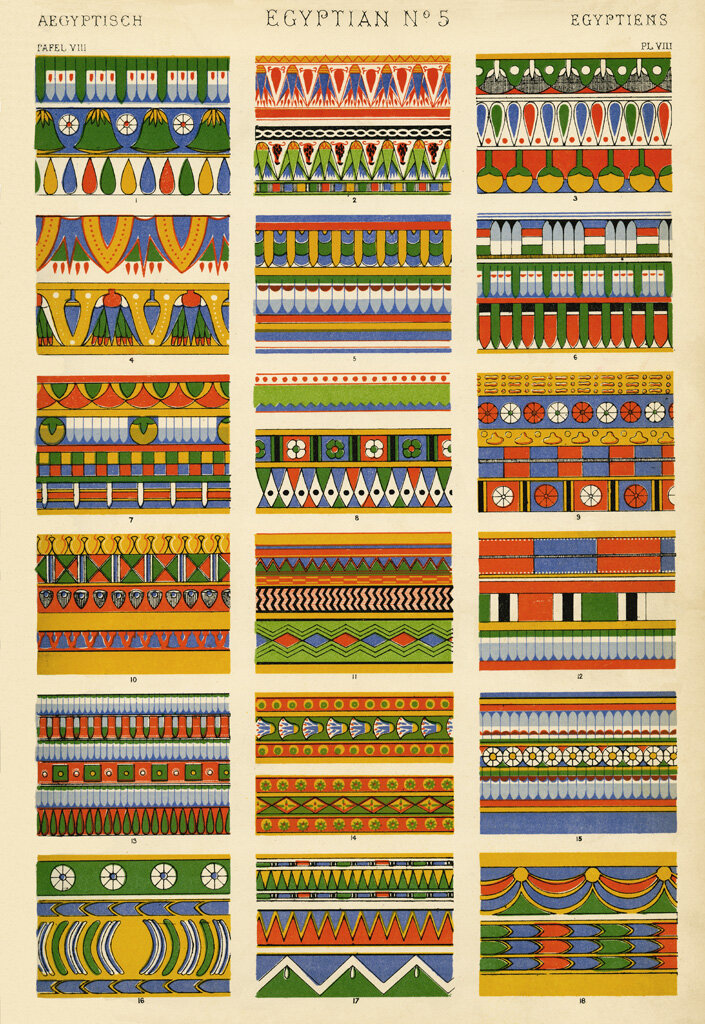
Egyptians used jewelry, cosmetics, and intricate patterns to signify status and provide spiritual protection. A wealthy noble might wear a wide, colorful collar necklace, while a common worker would wear a simple amulet. The famous kohl eyeliner wasn't just for beauty; it was believed to ward off eye infections and the evil eye. These adornments were packed with symbolism, turning the human body into a canvas for personal and societal beliefs.
Clothing the Social Order
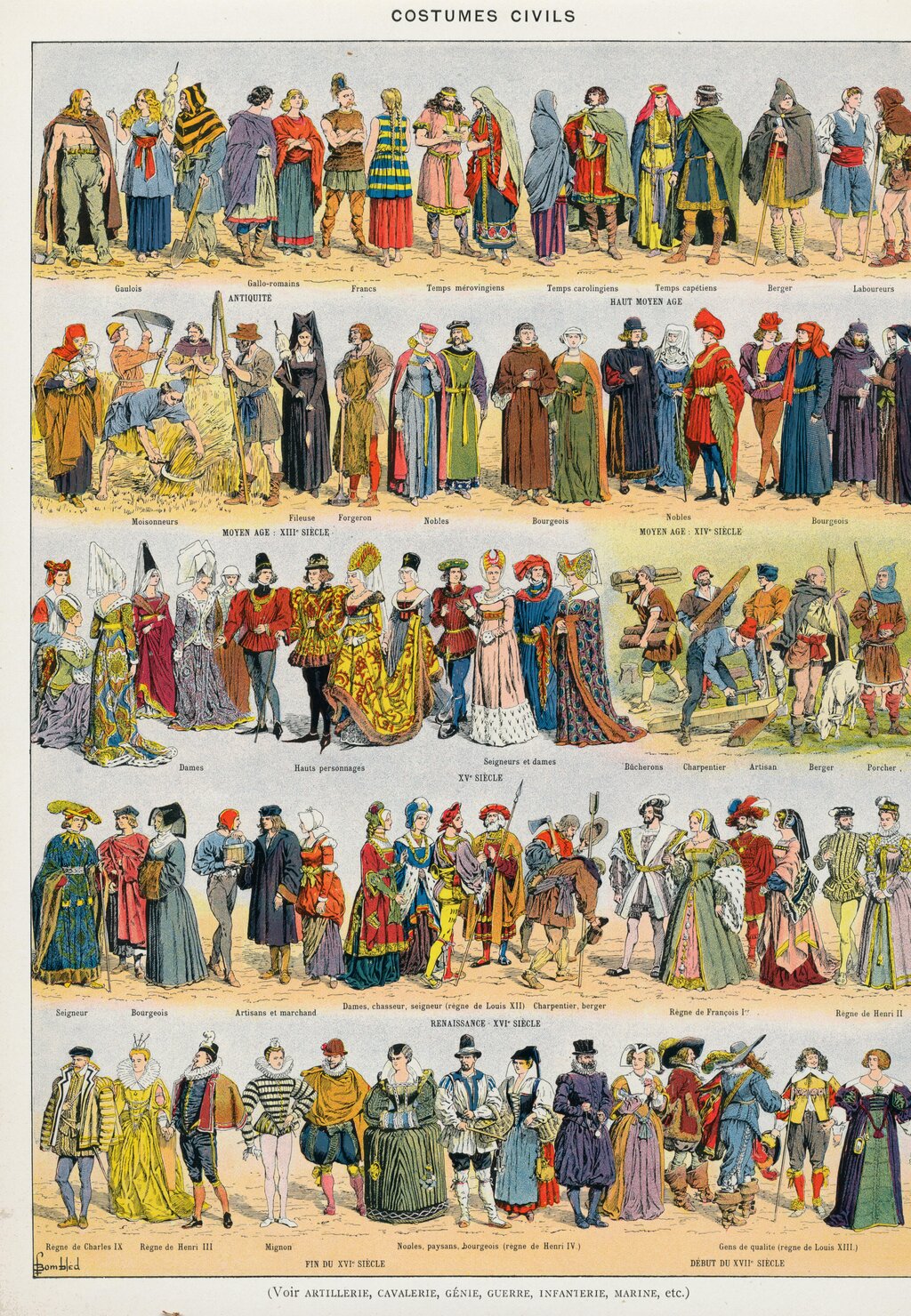
Moving forward to Medieval Europe, fashion became a rigid indicator of a person's place in society. The feudal system created a strict hierarchy, and clothing was one of the clearest ways to enforce it. Your outfit immediately told everyone your rank and profession. Peasants wore simple, practical tunics made of coarse wool or linen in earthy tones, designed for hard labor.
Nobility, on the other hand, displayed their wealth and power through luxurious fabrics like silk, velvet, and fur, often in vibrant, expensive dyes. The cut of a garment also mattered. The wealthy wore longer, more voluminous clothes to show they didn't need to work. In some places, strict laws called “sumptuary laws” even dictated what materials and colors different classes were allowed to wear. Breaking these rules could lead to fines or even imprisonment. In this era, fashion was less about personal expression and more about maintaining social order.
A Rebirth of Style
The Renaissance sparked a cultural and artistic revival across Europe, and fashion was no exception. As a new wealthy merchant class emerged, more people could afford fine clothing, and the focus shifted toward celebrating the human form and individual expression. Clothing became more tailored, moving away from the draped styles of the past.
Techniques like slashing, where outer garments were cut to reveal contrasting fabrics underneath, became popular. Silhouettes grew more elaborate, with puffy sleeves, corseted waists for women, and padded shoulders for men. Fashion was a way to display not just wealth, but also worldliness and artistic taste. It was a visual celebration of a new era of humanism and discovery.
Industry and Revolution
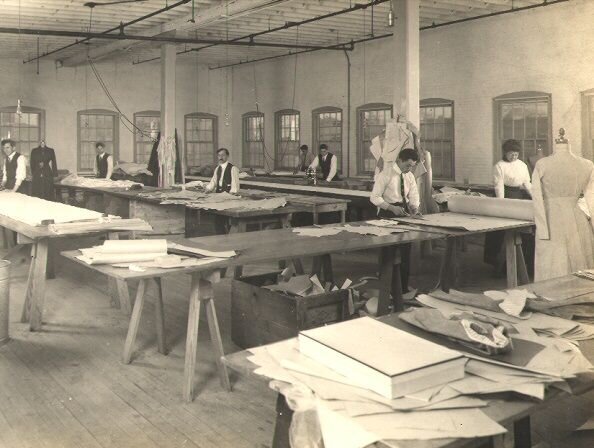
The Industrial Revolution of the 18th and 19th centuries changed fashion forever. New inventions like the sewing machine and power loom made it possible to produce textiles and clothing faster and cheaper than ever before. For the first time, fashion became accessible to the masses, not just the elite.
A growing middle class could now participate in changing trends. Ready-to-wear clothing began to appear in department stores, replacing the need for everything to be custom-made. While high fashion still existed, everyday clothing became more standardized. The era also saw the rise of the tailored suit for men, a practical and uniform look that reflected the new world of business and industry.
The 20th century was a whirlwind of social change, and fashion kept pace. Each decade brought distinct movements that challenged old norms. In the 1920s, the flapper dress, with its dropped waist and shorter hemline, symbolized a new sense of freedom for women after World War I. It was a radical departure from the restrictive corsets of the past.
The counter-culture movements of the 1960s used fashion as a form of protest and self-expression. Bell-bottoms, tie-dye, and floral prints rejected mainstream conformity and signaled a desire for peace and social change. Across the century, fashion became a powerful tool for youth culture, political statements, and the ongoing redefinition of gender roles, proving that what we wear is deeply connected to the world around us.
In ancient Egypt, kohl eyeliner served a dual purpose. Besides its use in beauty, what was its other perceived function?
What were the laws in Medieval Europe that restricted the use of certain materials and colors to specific social classes called?