The World of Electric Cars
Introduction to Electric Vehicles
More Than Just a Modern Trend
An electric vehicle, or EV, is any vehicle that uses one or more electric motors for propulsion. While they feel like a recent invention, the idea is surprisingly old. The first crude electric carriages were built in the 1830s, and by the early 1900s, electric cars were relatively common in cities. They were quiet, easy to operate, and didn't produce smelly pollutants.
However, the mass production of affordable gasoline-powered cars, like the Ford Model T, along with the discovery of cheap crude oil, pushed electric vehicles to the sidelines for decades. It wasn't until the turn of the 21st century, with growing concerns about climate change and major advances in battery technology, that EVs made a serious comeback.
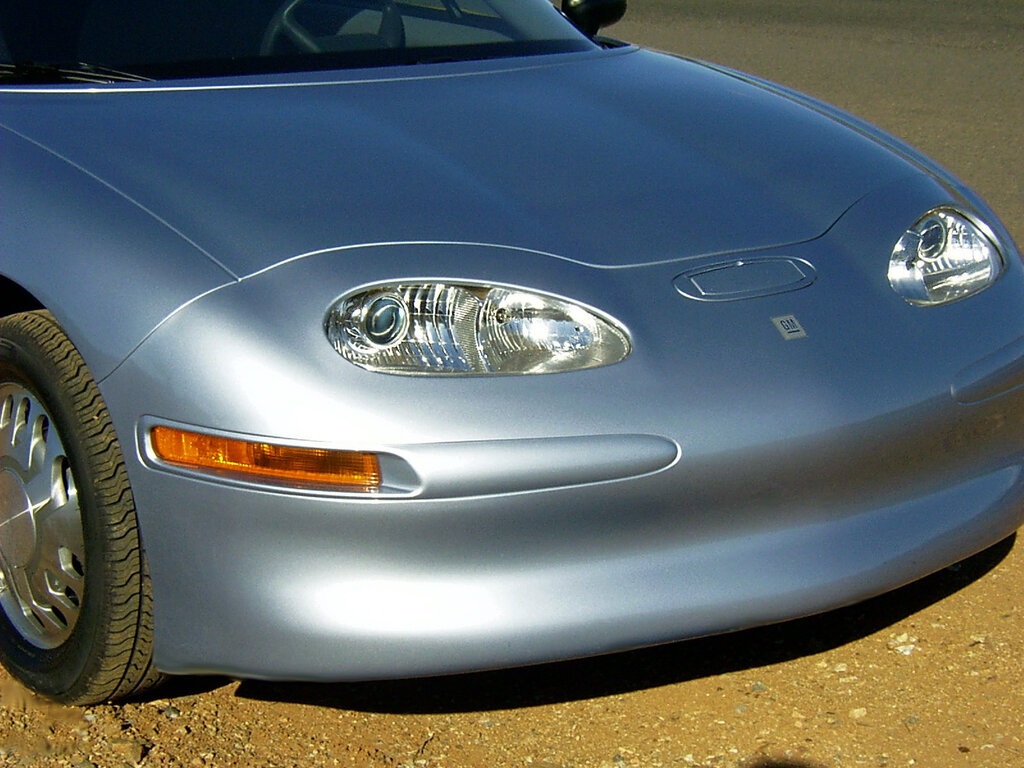
At its core, an EV swaps the internal combustion engine for an electric motor, powered by a large battery.
The EV Family
The term "electric vehicle" covers a few different types of cars. They all use electricity to some degree, but how they do it varies significantly. Think of them as a family with distinct personalities.
Hybrid Electric Vehicle (HEV)
noun
A vehicle that combines a conventional internal combustion engine with an electric propulsion system. The electric battery is charged by the gasoline engine and through regenerative braking.
Hybrids, like the original Toyota Prius, have both a gasoline engine and a small electric motor. You can't plug them in. The electric motor assists the gas engine, improving fuel efficiency. The car's own momentum and the gas engine recharge the battery. It’s a gasoline car that gets a helpful electric boost.
Plug-in Hybrid Electric Vehicle (PHEV)
noun
A hybrid electric vehicle with a battery that can be recharged by plugging it into an external source of electric power, as well as by its on-board engine and generator.
Plug-in hybrids are a step closer to fully electric. They also have a gas engine and an electric motor, but the battery is much larger and, as the name suggests, you can plug it in to charge. This allows you to drive a certain distance, typically 20-50 miles, on electricity alone. For short trips, you might not use any gas at all. The gas engine is there as a backup for longer journeys.
Battery Electric Vehicle (BEV)
noun
A type of electric vehicle that exclusively uses chemical energy stored in rechargeable battery packs, with no secondary source of propulsion.
This is what most people think of when they hear "EV." Battery electric vehicles run 100% on electricity. They have a large battery pack and one or more electric motors, but no gasoline engine whatsoever. To refuel, you must plug them into a charging station. Cars from Tesla, the Nissan LEAF, and the Ford Mustang Mach-E are all BEVs.
| Feature | Hybrid (HEV) | Plug-in Hybrid (PHEV) | Battery Electric (BEV) |
|---|---|---|---|
| Power Source | Gas engine & electric motor | Gas engine & electric motor | Electric motor only |
| How to Fuel/Charge | Fill up at gas station | Fill up at gas station & plug in to charge | Plug in to charge |
| All-Electric Range | None (electric motor assists) | ~20-50 miles | ~150-400+ miles |
| Tailpipe Emissions | Yes (reduced) | Yes (none in electric mode) | None |
Gas vs Electric
Comparing a pure EV (a BEV) to a traditional internal combustion engine (ICE) vehicle reveals some fundamental differences in how they drive and what they require to keep running.
Electric vehicles (EVs) have fewer moving parts, resulting in lower maintenance needs.
An ICE vehicle's engine has hundreds of moving parts, requiring regular oil changes, spark plug replacements, and other maintenance. An EV's powertrain is much simpler. It consists of the battery, an inverter, and the motor itself. This means no oil changes, no exhaust systems, and far fewer check-ups.
When it comes to driving, the experience is also distinct. EVs deliver instant torque, meaning all the motor's power is available immediately. This results in smooth, quick, and quiet acceleration that often feels faster than a comparable gas car. And of course, the most significant difference is the environmental impact. BEVs produce zero tailpipe emissions, which is a major benefit for air quality in urban areas.
This foundational knowledge of what EVs are and the different types available sets the stage for understanding the technology that makes them work.