The World of Education
Introduction to Education
More Than Just School
Education is the process of learning and development. It’s how we gain knowledge, skills, values, and beliefs. While we often think of classrooms and textbooks, education is much broader. It's a lifelong journey that starts at birth and continues through all our experiences.
The main purpose of education is to pass knowledge from one generation to the next. But it does more than that. It teaches us how to think critically, solve problems, and understand the world around us. It's the foundation for personal growth, helping us discover our passions and potential.
At its core, education equips individuals to participate in and contribute to their communities.
A Quick Trip Through Time
Education isn't a modern invention. In ancient societies, like those in Greece, China, and India, education was often reserved for the elite. It focused on philosophy, mathematics, religion, and the skills needed to govern. Learning was a privilege, passed down through apprenticeships or in small, dedicated schools.
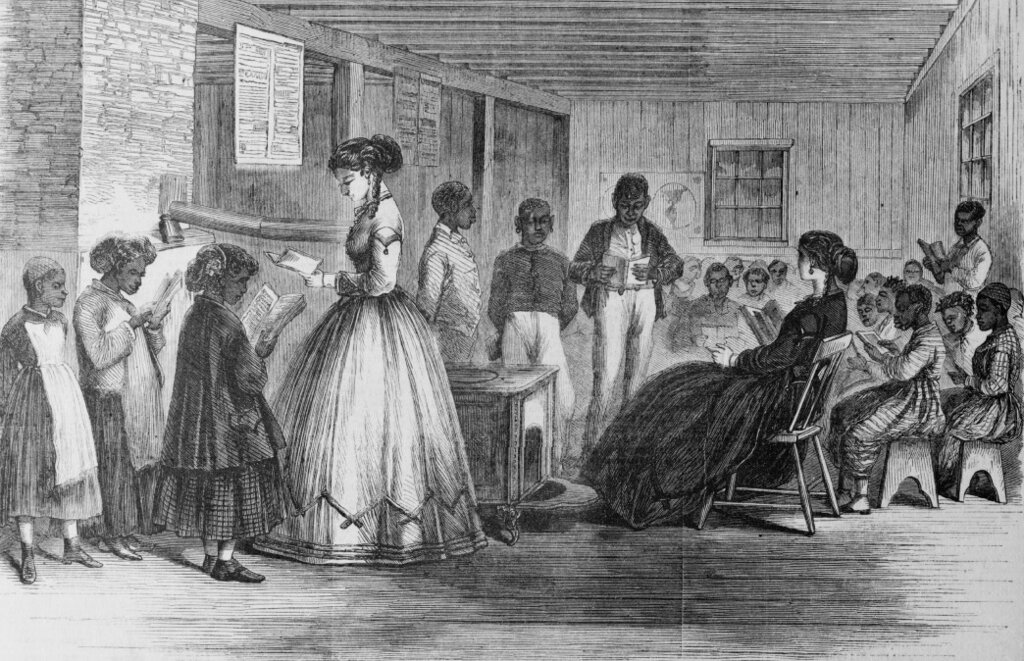
During the Middle Ages in Europe, religious institutions became the primary centers for learning, preserving ancient texts and educating clergy. The idea of education for everyone is relatively new. The push for widespread public schooling began in the 18th and 19th centuries, fueled by the Industrial Revolution's demand for a literate and skilled workforce. This movement transformed education from a privilege for a few into a fundamental right for all.
Learning Everywhere
Education happens in many different ways. We can sort it into three main categories: formal, non-formal, and informal. Understanding the difference helps us see learning opportunities all around us.
| Type | Description | Examples |
|---|---|---|
| Formal | Structured, hierarchical system with certifications. | Elementary school, university, trade school |
| Non-Formal | Organized learning outside the formal system; flexible. | Music lessons, coding bootcamps, workshops |
| Informal | Learning from everyday life; often unintentional. | Reading a book, watching a documentary, conversations |
All three types are vital. Formal education provides the foundational knowledge and credentials many careers require. Non-formal education allows us to pursue specific interests or skills. And informal education is how we constantly adapt and learn from the world around us.
The Ripple Effect
The impact of education starts with the individual but extends far beyond. For a person, education opens doors. It's strongly linked to better job opportunities, higher income, and improved health. It builds confidence, broadens perspectives, and fosters a sense of curiosity.
For society, the effects are just as profound. Educated populations tend to be more engaged in civic life, have lower crime rates, and are better equipped to tackle complex challenges like climate change and public health. Education fuels innovation and economic growth by creating a skilled workforce that can develop new technologies and ideas.
The first step? Education.
By fostering shared knowledge and values, education helps build social cohesion. It brings people together and creates a common ground for understanding and cooperation. It is one of the most powerful tools we have for building a better future for ourselves and our communities.