The World of Diamond Trading
Diamond Formation
Forged in the Deep
Diamonds aren't made of anything exotic. They are simply carbon, the same element found in the charcoal for your grill and the graphite in your pencil. The difference lies in how the carbon atoms are arranged. Getting them to form the incredibly strong, tightly packed structure of a diamond requires conditions that are anything but ordinary.
Carbon
noun
A chemical element that is a fundamental building block of life and can exist in various forms, including graphite and diamond.
This transformation happens deep within the Earth, far below our feet. Think of it as a geological pressure cooker. For carbon to crystallize into diamond, it needs to be subjected to immense pressure and high temperatures.
A Recipe for a Diamond
The sweet spot for diamond formation is about 90 to 120 miles (150 to 200 kilometers) deep in the Earth's upper mantle. Down there, the pressure is over 50,000 times greater than at the surface, and temperatures soar above 2,000°F (about 1,100°C).
Under this intense squeeze and heat, carbon atoms are forced to bond together in a rigid, three-dimensional lattice. This structure is what gives a diamond its famous hardness and brilliance.
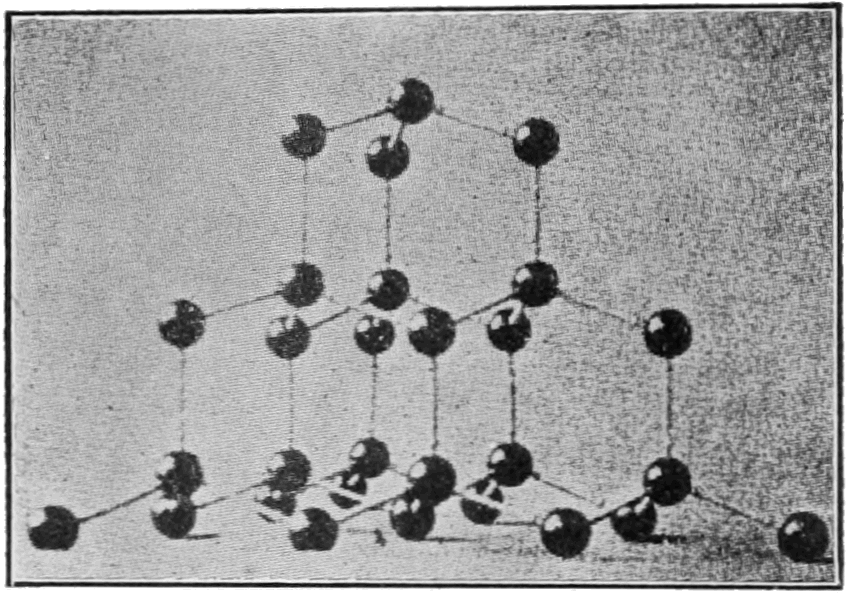
Each carbon atom connects to four neighbors, forming a strong and stable tetrahedral pattern. This is a stark contrast to graphite, where carbon atoms arrange themselves in flat sheets that easily slide past one another, making it soft and flaky. Without the specific high-pressure, high-temperature environment of the mantle, you get graphite, not diamond.
The Ride to the Surface
Forming a diamond is only half the battle. Getting it to the surface is an entirely different challenge. A diamond can't just slowly rise through the Earth; the changing pressure and temperature would cause it to revert back to graphite. It needs a high-speed elevator.
This elevator comes in the form of deep-source volcanic eruptions. Magma from the mantle blasts towards the surface at incredible speeds, sometimes exceeding the speed of sound. This magma carries chunks of mantle rock with it, including those that contain diamonds. As the magma cools, it forms carrot-shaped pipes of igneous rock known as kimberlite pipes.
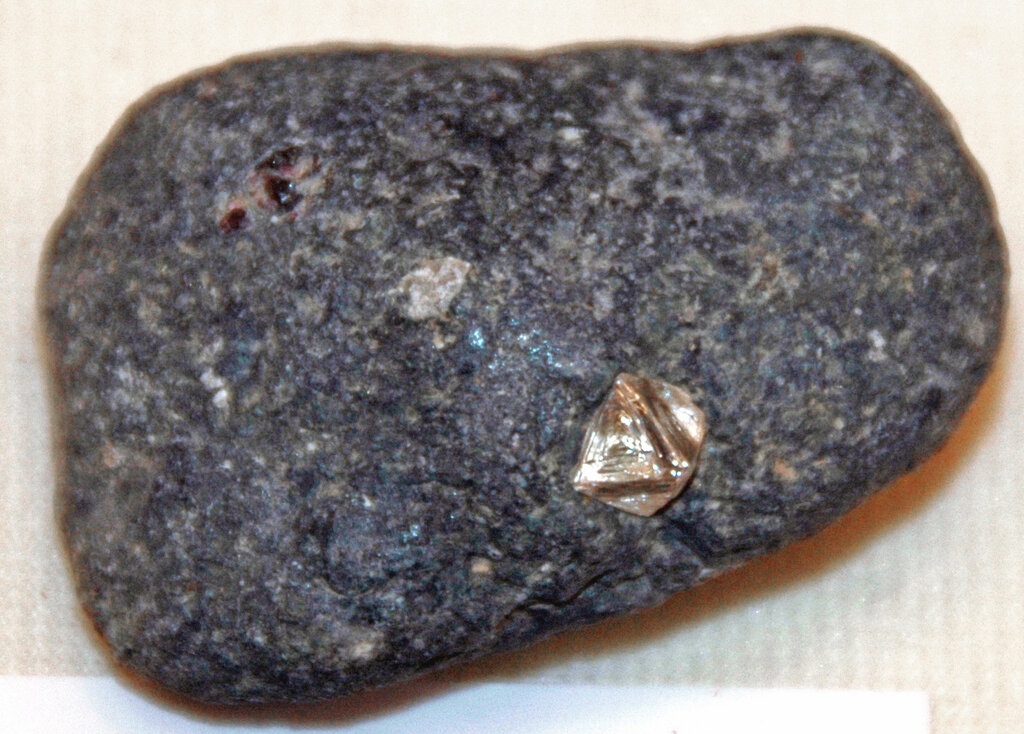
These kimberlite pipes are the primary source of mined diamonds. The rapid, violent journey freezes the diamond's crystalline structure, preserving it all the way to the Earth's surface where it can eventually be discovered.
What fundamental element are diamonds composed of?
Which two conditions are required deep within the Earth's mantle to transform carbon into diamond?
The story of a diamond is one of extreme conditions and a violent journey spanning billions of years, transforming a common element into an extraordinary gemstone.