The World of Data Centers
Introduction to Data Centers
What Is a Data Center?
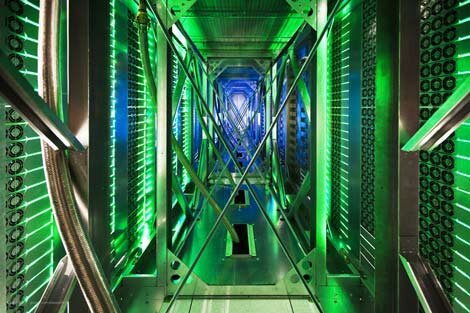
Think of a data center as the brain of the internet. It's a dedicated building, or even just a room, filled with powerful computers called servers. These aren't like your desktop computer at home. They're specialized machines designed to store, process, and manage the massive amounts of data that power our digital lives.
Data Center is a facility, which houses computer systems and associated components, such as telecommunications and storage systems.
Every time you stream a movie, send an email, or post a photo online, a data center somewhere is doing the work. These facilities are the physical heart of the digital world, providing the computing power, storage, and networking needed for applications and services to run smoothly and reliably. They are designed for security and high availability, with redundant power supplies, cooling systems, and network connections to ensure they are always online.
Types of Data Centers
Data centers aren't one-size-fits-all. They come in different forms, each suited to different needs. The main types are enterprise, colocation, cloud, and edge.
Think of it like housing. You can build your own house, rent an apartment in a large building, or use a flexible, fully-serviced living space. Each model serves a different purpose.
Enterprise Data Centers
These are private data centers built, owned, and operated by a single company exclusively for its own use. The company has full control over the design, security, and operations. This is like building your own custom house, where everything is tailored to your exact specifications.
Colocation Facilities
In a colocation (or "colo") model, a company rents space in a data center owned by a third party. The colo provider manages the building, cooling, power, and security, while the company brings in and manages its own servers and equipment. It's similar to leasing an apartment; you get the secure space and utilities, but you furnish it with your own belongings.
Cloud Data Centers
These are massive data centers owned and operated by cloud service providers like Amazon Web Services (AWS), Google Cloud, and Microsoft Azure. Businesses can rent computing power and storage from these providers on a pay-as-you-go basis. This is the most flexible option, like using a fully-serviced coworking space where you can scale your usage up or down as needed without worrying about the physical infrastructure.
Edge Data Centers
Edge data centers are smaller facilities located closer to the people and devices that use them. Their purpose is to process data locally to reduce lag and improve speed. For example, an edge data center in a city could help process data for self-driving cars or smart devices in that area, where split-second responses are critical. They act as local outposts, bringing the power of the data center closer to the action.
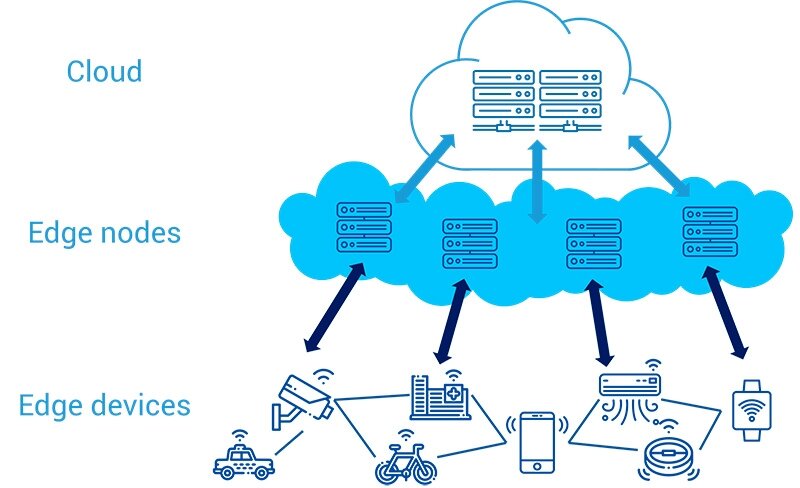
To recap, here's a simple breakdown of the different types.
| Type | Who Owns It | Who Uses It | Analogy |
|---|---|---|---|
| Enterprise | The company itself | Only that company | Owning a private home |
| Colocation | A third-party provider | Multiple companies | Renting an apartment |
| Cloud | A cloud provider (e.g., AWS) | Thousands of customers | Using a coworking space |
| Edge | Varies | Local users/devices | A neighborhood workshop |
Understanding these different models is key to seeing how businesses choose the right infrastructure to power their services.
What is the primary function of a data center in the digital world?
A large retail company builds, owns, and operates a data center solely for its own e-commerce and logistical operations. Which type of data center is this?
Each type of data center plays a vital role in the vast network that keeps our digital world running.