The World of Coffee From Bean to Brew
Coffee Plant Varieties
The Two Stars of Coffee
Almost all the coffee in the world comes from two species: Coffea arabica and Coffea canephora. You probably know the second one by its common name, Robusta.
While they're related, they are distinct plants that produce very different coffee beans. Their needs are different, and the cups of coffee they produce have unique characters. Let's start with the most popular of the two.
Coffea Arabica
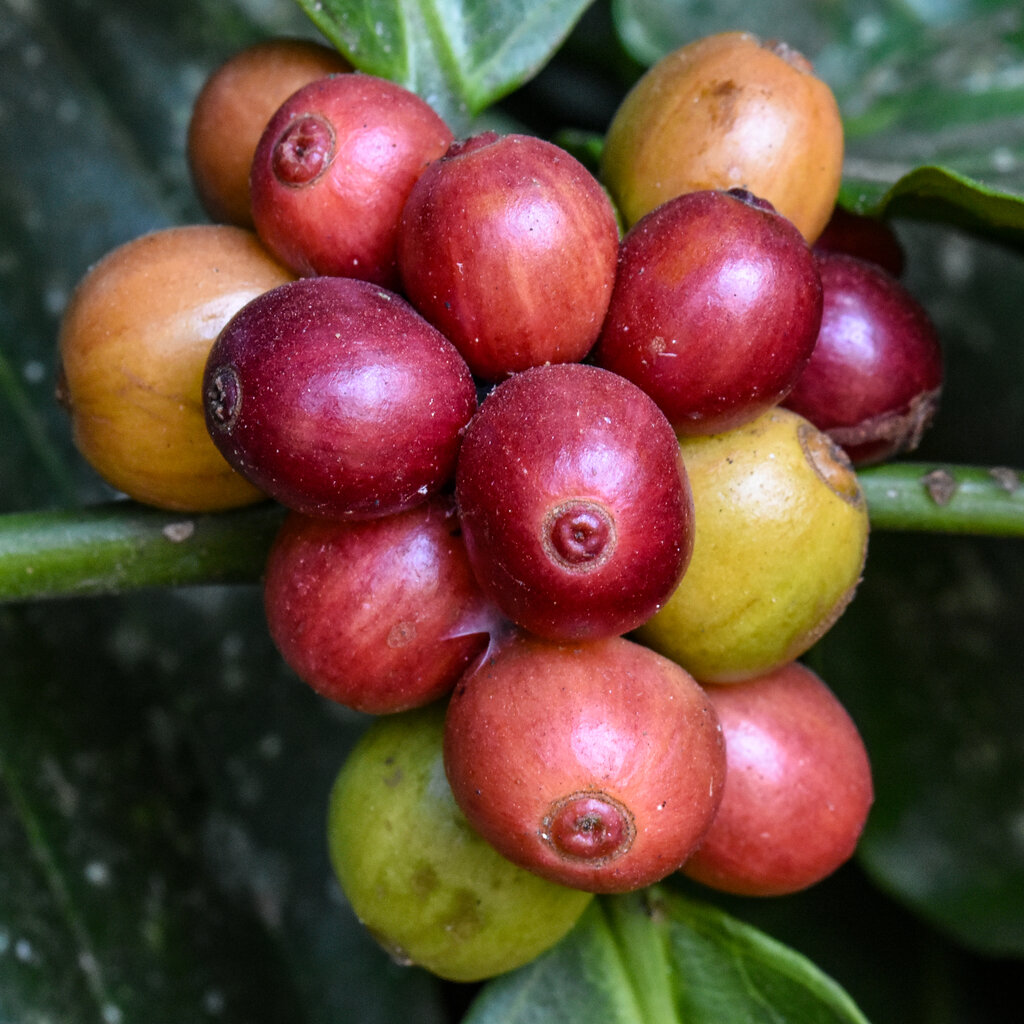
Coffea arabica, or simply Arabica, accounts for over 60% of the world's coffee production. Originally from the highlands of Ethiopia, this species is a bit of a diva. It demands specific conditions to thrive: high altitudes (600 to 2,000 meters), consistent rainfall, and mild temperatures. It's also more susceptible to diseases.
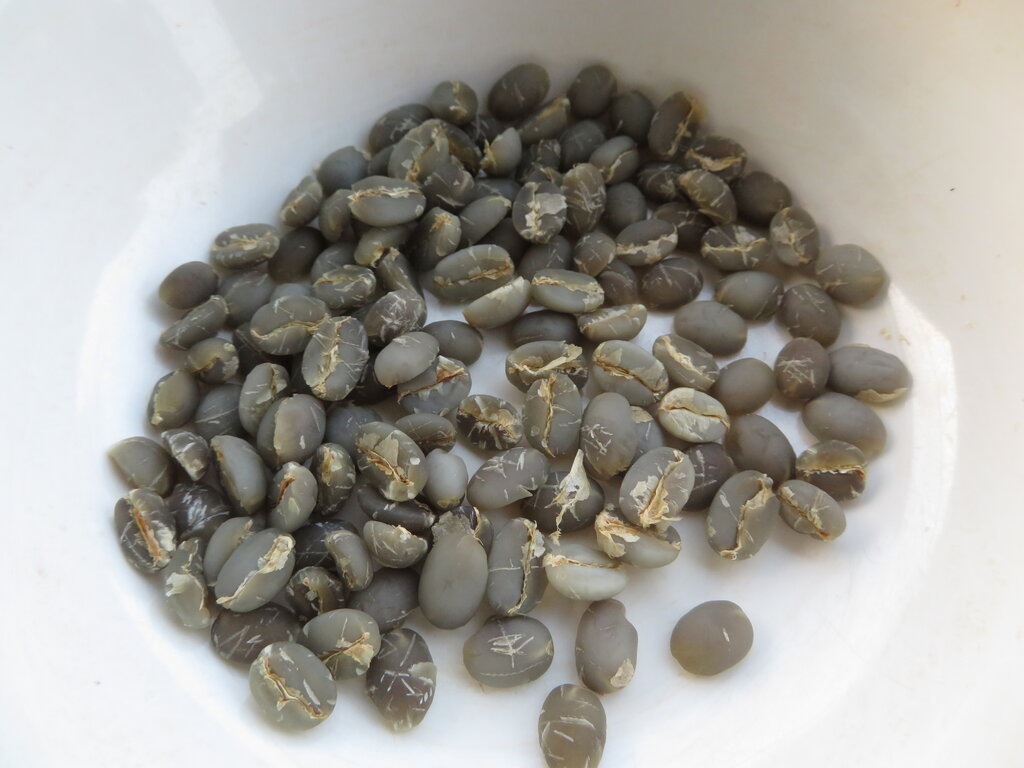
The fuss is worth it, though. Arabica beans are known for their complex and aromatic flavor profiles. They tend to have higher acidity, which translates to a bright, vibrant taste in the cup, often with floral, fruity, or wine-like notes. They also have a lower caffeine content compared to their rugged cousin.
Coffea Canephora (Robusta)
As its name suggests, Robusta is a hardier plant. It can grow in hotter climates and lower altitudes and is more resistant to disease. This makes it easier and cheaper to cultivate. Native to sub-Saharan Africa, Robusta is widely grown in Vietnam and Brazil today.
Robusta beans are typically used in espresso blends for their ability to produce a thick, stable crema. They are also common in instant coffee. The flavor is bold and strong, often described as rubbery or chocolatey, but it lacks the nuanced acidity of Arabica. What it doesn't lack is caffeine—Robusta beans can have more than double the amount found in Arabica.
| Feature | Arabica | Robusta |
|---|---|---|
| Flavor | Complex, aromatic, high acidity | Bold, strong, low acidity |
| Caffeine | ~1.5% by weight | ~2.5% or more by weight |
| Ideal Altitude | 600–2000 m | 0–800 m |
| Bean Shape | Oval | Round |
| World Market | ~60% | ~40% |
Deep Dive into Arabica
Within the Arabica species, there are thousands of different varieties, each with a unique genetic makeup. Think of it like apples—Granny Smith and Red Delicious are both apples, but they taste very different. Let's look at a few of the most influential and interesting Arabica varieties.
Typica: The Original One of the oldest and most genetically important coffee varieties, Typica originated in Ethiopia and was spread across the world by the Dutch. It's known for its excellent cup quality, featuring clean, sweet acidity and floral notes. However, it has a very low yield, making it less profitable for some farmers.
Bourbon: The Mutation Bourbon is a natural mutation of Typica that developed on the island of Bourbon (now called Réunion). It generally produces more coffee cherries than Typica and is prized for its deep, buttery chocolate notes and complex, balanced sweetness. Many other popular varieties are mutations or hybrids of Bourbon.
Geisha: The Superstar This variety caused a sensation in the coffee world. Originally from the Gesha forest in Ethiopia, it was 'rediscovered' in Panama in the early 2000s. Geisha coffee is famous for its astonishingly aromatic and delicate flavor profile, often compared to fine tea with notes of jasmine, bergamot, and tropical fruit. Its rarity and incredible taste make it one of the most expensive coffees in the world.
These three are just the beginning. The world of coffee varieties is vast and constantly evolving, with new hybrids and cultivars being developed to improve taste, yield, and disease resistance.
Ready to test your knowledge on these coffee fundamentals?
Which coffee species accounts for over 60% of the world's coffee production?
True or False: Robusta beans are often chosen for espresso blends because they help produce a thick, stable crema.
Understanding these core species and varieties is the first step to appreciating the incredible diversity found in your daily cup.