The World of Coffee Flavors
Coffee Bean Origins
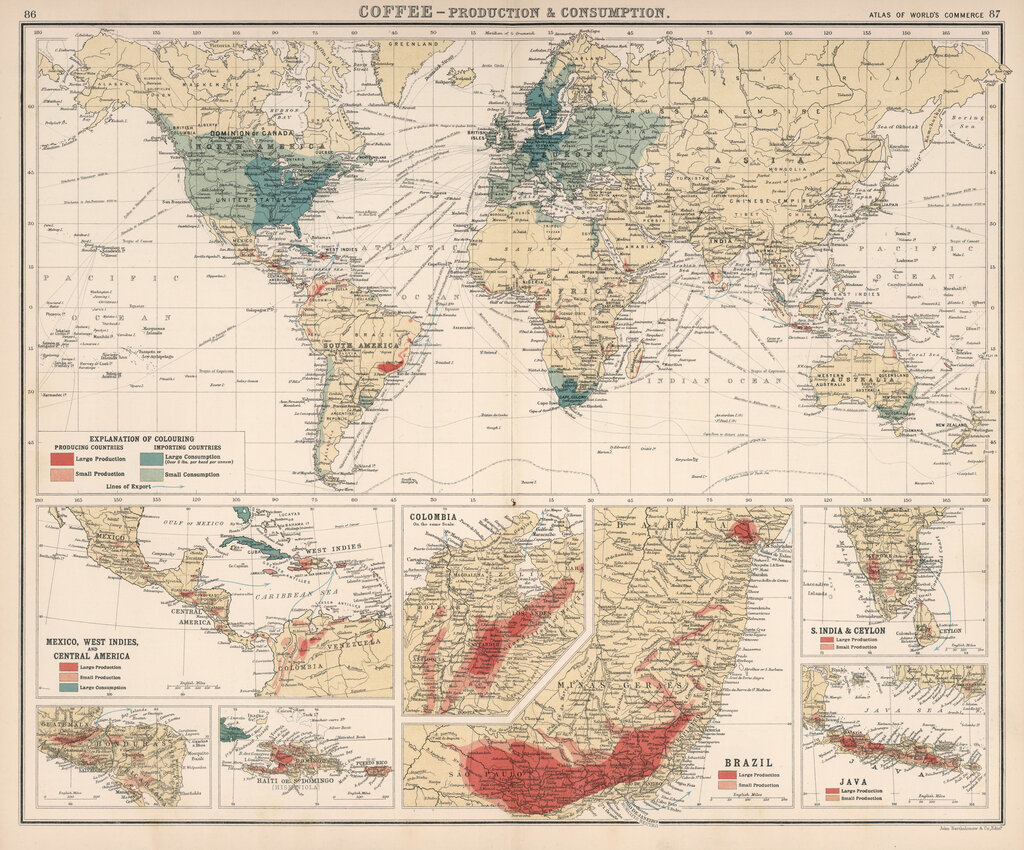
The Coffee Belt
Coffee doesn't grow just anywhere. Virtually all of the world's coffee is cultivated in a specific band that wraps around the globe between the Tropics of Cancer and Capricorn. This region is known as the "Coffee Belt."
Countries within this belt share similar tropical climates, with distinct rainy and dry seasons that are ideal for coffee plants. But that's where the similarities end. The unique conditions of each location—from the volcanic mountains of Colombia to the highlands of Ethiopia—give beans their distinct character.
A Taste of Place
Why does coffee from one farm taste so different from another just a few miles away? The answer lies in its environment, or terroir. Three main factors shape a coffee bean's flavor profile before it's ever picked: altitude, soil, and climate.
Factors such as altitude, soil composition, climate, and rainfall play significant roles in the development of coffee beans with exceptional flavors.
Altitude: Coffee grown at higher elevations matures more slowly. This extended ripening period allows more complex sugars and interesting acids to develop within the bean. These high-grown coffees are often brighter, more aromatic, and more acidic—in a good way, like the crispness of a green apple.
Soil: The soil provides the nutrients that feed the coffee plant. Volcanic soils, common in many coffee-growing regions, are rich in minerals that contribute to a bean's flavor. They can lead to coffees with a lively, clean taste and distinct fruity or floral notes.
Climate: Consistent temperatures and the right amount of rainfall are crucial. The specific climate of a region influences when the coffee cherries ripen and the overall health of the plant. A place with a clear dry season, for instance, is ideal for drying coffee beans naturally in the sun.
These elements combine to create a unique fingerprint for every coffee. A coffee from Kenya might share the same plant variety as one from Costa Rica, but the differences in their environments will produce two completely different-tasting cups.
A World Tour of Coffee
While coffee is grown all over the world, a few key regions are famous for their distinct flavor profiles. Let's take a quick trip.
Africa: Often considered the birthplace of coffee, Africa—and especially Ethiopia—is known for beans with bright, complex flavors. Think floral aromas like jasmine, citrus notes like bergamot, and a wine-like acidity. Coffees from this region are often light and tea-like.
South America: This continent is a coffee powerhouse, with Brazil and Colombia leading production. Brazilian coffees are the backbone of many espresso blends, known for their low acidity, heavy body, and classic nutty and chocolatey flavors.
Colombian coffees are often what people think of when they imagine a perfectly balanced cup. They typically have notes of caramel, chocolate, and a hint of citrusy brightness.
Asia: Coffees from Indonesia, particularly Sumatra, are famous for their unique processing methods. This results in a flavor profile that is bold, earthy, and full-bodied, often with spicy or woody notes. They have very little acidity and a lingering finish.
| Region | Common Flavor Notes |
|---|---|
| Ethiopia | Floral, Fruity, Citrus, Tea-like |
| Brazil | Chocolate, Nutty, Caramel, Low Acidity |
| Colombia | Balanced, Caramel, Citrus, Nutty |
| Indonesia | Earthy, Spicy, Woody, Full-bodied |
Knowing where your coffee comes from is the first step to understanding why you like what you like. It helps you explore new beans with confidence, looking for regions that produce the flavors you enjoy most.
Ready to test your knowledge of coffee origins?
The vast majority of the world's coffee is grown in a specific geographical region located between the Tropics of Cancer and Capricorn. What is this region called?
A coffee's terroir significantly influences its flavor profile. Which of the following factors is NOT considered a primary component of its terroir?
Next, we'll explore how the journey from raw, green bean to roasted, aromatic coffee unlocks these amazing flavors.