The World of Coffee
Coffee Plant Biology
The Two Stars of Coffee
Every cup of coffee starts its journey as a seed inside a bright red fruit called a cherry. These cherries grow on shrubs or small trees. While there are over 100 species of coffee plants, the global coffee industry is dominated by just two: Coffea arabica and Coffea canephora. You probably know the second one by its more common name: Robusta.
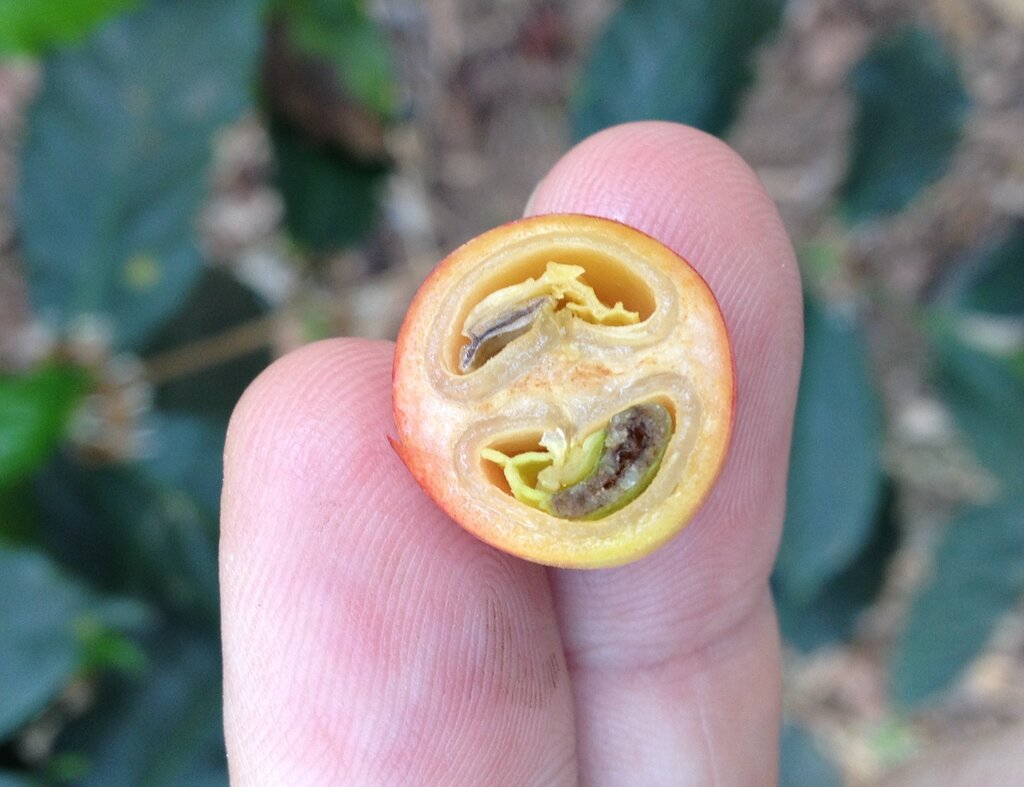
These two plants are cousins, but they have very different personalities. Their unique biological traits, from the shape of their beans to the conditions they need to thrive, create the distinct flavors and aromas we experience in our daily brew. Let's meet them.
Coffea Arabica: The Connoisseur
Coffea arabica, or Arabica, is the most popular coffee species in the world, making up about 60% of global production. Originally from the highlands of Ethiopia, it's a bit of a diva. Arabica plants demand very specific conditions to grow well.
Arabica requires high altitudes, consistent rainfall, and mild temperatures. It's sensitive to frost and disease, making it more challenging and expensive to cultivate.
The effort pays off in the cup. Arabica beans are known for their complex and aromatic flavor profiles. They tend to have higher acidity, which translates to bright, fruity, or wine-like notes. They also contain less caffeine than their Robusta counterpart but have a higher concentration of sugars and lipids. These compounds contribute to a smoother, sweeter taste and a richer aroma when roasted.
Physically, Arabica beans are typically oval-shaped, with a distinct, winding center crease.
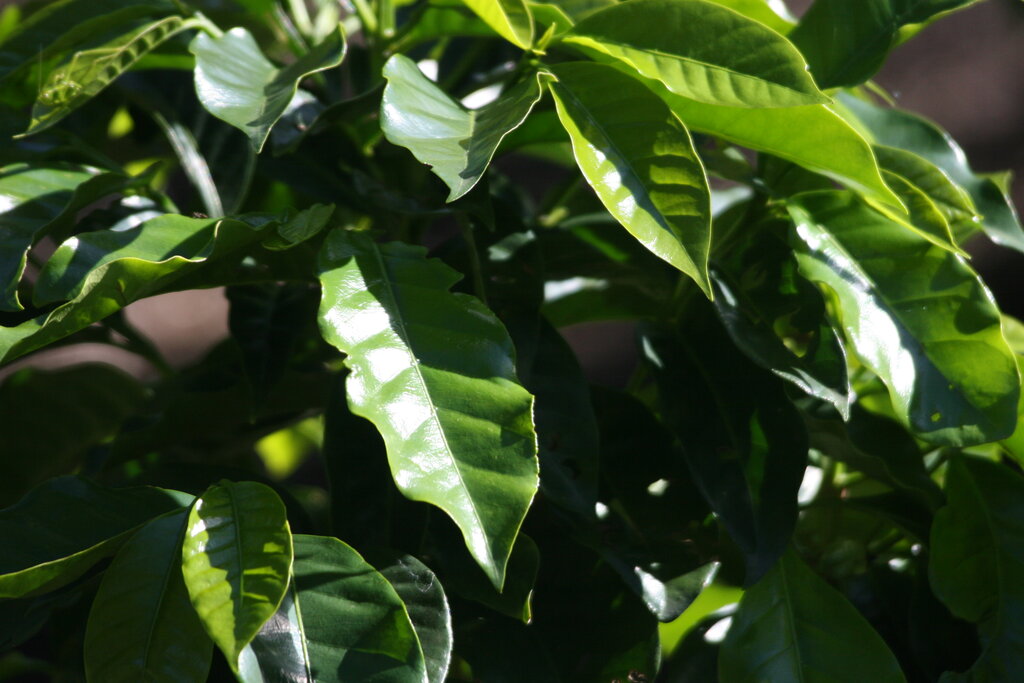
Coffea Canephora: The Survivor
Commonly known as Robusta, Coffea canephora is the second most-produced coffee species. As its name suggests, this plant is robust. It's a hardy survivor, originally from sub-Saharan Africa.
Unlike the picky Arabica, Robusta can flourish in hotter climates and at lower altitudes. It's more resistant to diseases and pests, which is partly due to its significantly higher caffeine content—caffeine acts as a natural insecticide. This hardiness makes Robusta easier and cheaper to grow.
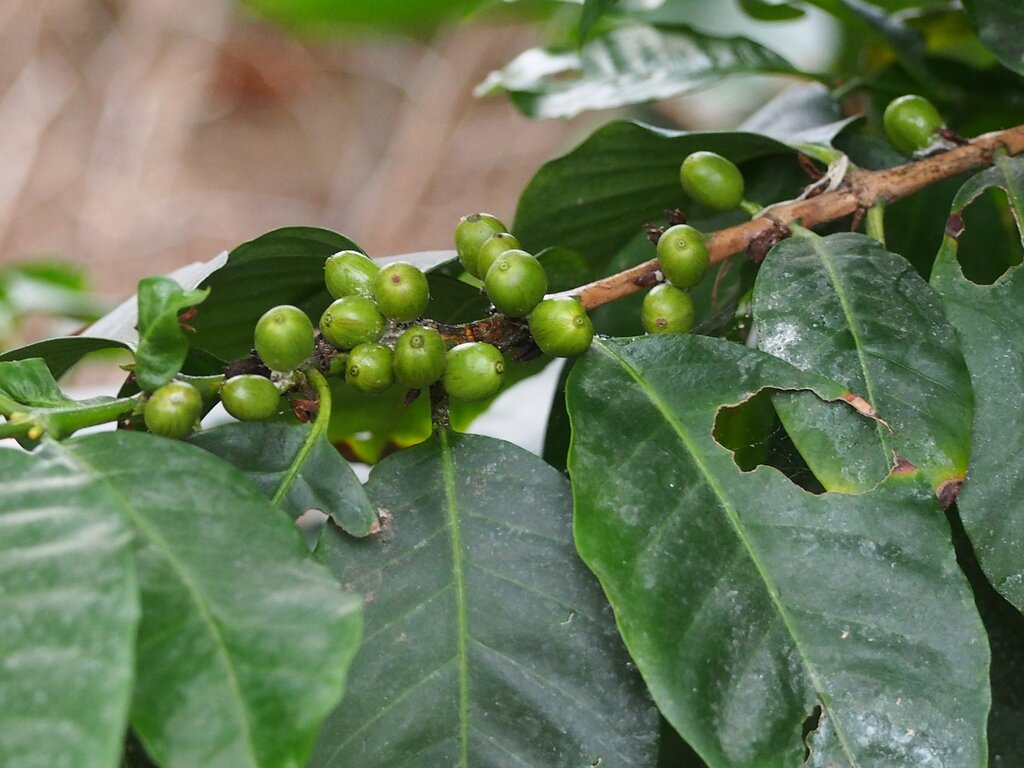
The trade-off comes in the flavor. Robusta beans produce a strong, full-bodied coffee with a distinctive rubbery or chocolatey taste. It's less acidic and often more bitter than Arabica. Robusta is the backbone of espresso blends, prized for its ability to produce a thick, stable crema. Its bold flavor and high caffeine kick also make it a staple for instant coffee.
Robusta beans are generally smaller and more circular than Arabica beans, with a straight center crease.
Comparing the Species
The differences between Arabica and Robusta go beyond just taste and growing conditions. Their fundamental biology dictates everything from their chemical makeup to their ideal home.
| Characteristic | Coffea arabica (Arabica) | Coffea canephora (Robusta) |
|---|---|---|
| Origin | Ethiopian Highlands | Sub-Saharan Africa |
| Ideal Altitude | 1,000–2,000 meters | 0–800 meters |
| Climate | Mild, humid, subtropical | Hot, humid, tropical |
| Caffeine Content | ~1.5% by weight | ~2.5% or more by weight |
| Flavor Profile | Sweet, fruity, aromatic, high acidity | Strong, rubbery, chocolatey, low acidity |
| Bean Shape | Oval | Circular |
| Typical Use | Specialty coffee, drip brews | Espresso blends, instant coffee |
These biological blueprints are why coffee-growing regions are concentrated in a specific part of the world known as the "Bean Belt." This band stretches around the globe along the equator, encompassing parts of Central and South America, Africa, and Southeast Asia. The specific conditions within this belt—the right mix of altitude, temperature, and rainfall—determine whether a farm can successfully grow delicate Arabica or hardy Robusta.
So the next time you choose between a bright, floral single-origin pour-over and a bold, creamy espresso, you're really choosing between two distinct plants. Each one is shaped by its evolutionary history and the unique environment it calls home.
Ready to test your knowledge on coffee plant biology?
What percentage of the world's coffee production is Coffea arabica (Arabica)?
A farmer is looking to grow coffee in a hot, low-altitude environment prone to pests. Which species would be a more suitable choice?
Understanding the plant is the first step in appreciating the entire journey of coffee, from a cherry on a branch to the warm cup in your hands.