The World of Cobalt
Introduction to Cobalt
Meet Cobalt
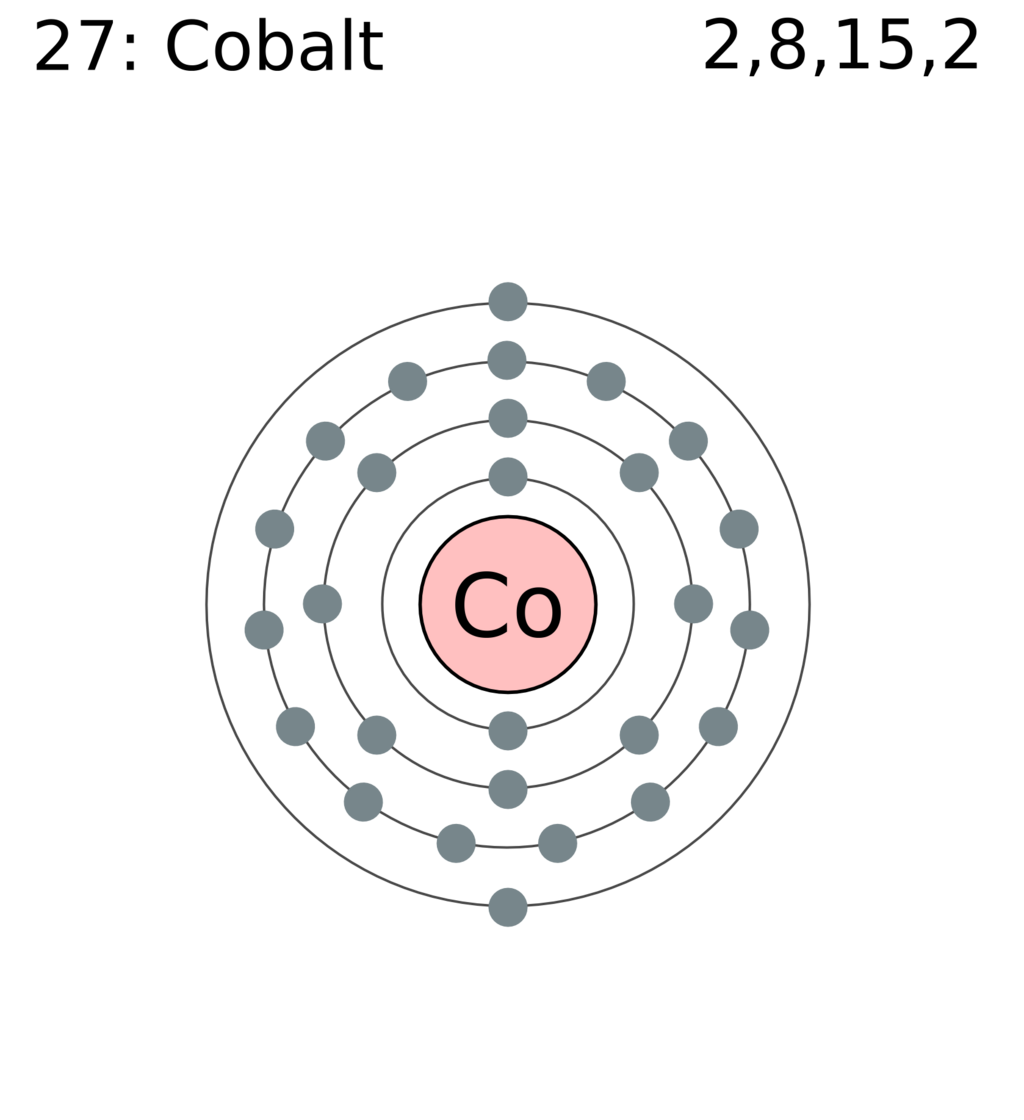
Cobalt is a chemical element with the symbol Co and atomic number 27. It’s a hard, silvery-white metal that you'll find in the periodic table nestled between iron and nickel. Along with those two neighbors, cobalt is one of only three naturally occurring magnetic metals on Earth.
Its position as a transition metal means it shares properties with other elements in the middle block of the periodic table. These metals are typically strong, shiny, and good at conducting heat and electricity. Cobalt's specific atomic structure is what gives it its unique magnetic properties.
The Goblin's Element
Long before scientists knew what it was, artisans were using cobalt compounds. For thousands of years, cobalt was prized for its ability to create a stunning, deep blue color. This blue pigment, known as cobalt blue, has been found in Egyptian sculptures, ancient Persian jewelry, and Chinese porcelain from as far back as the Tang dynasty.
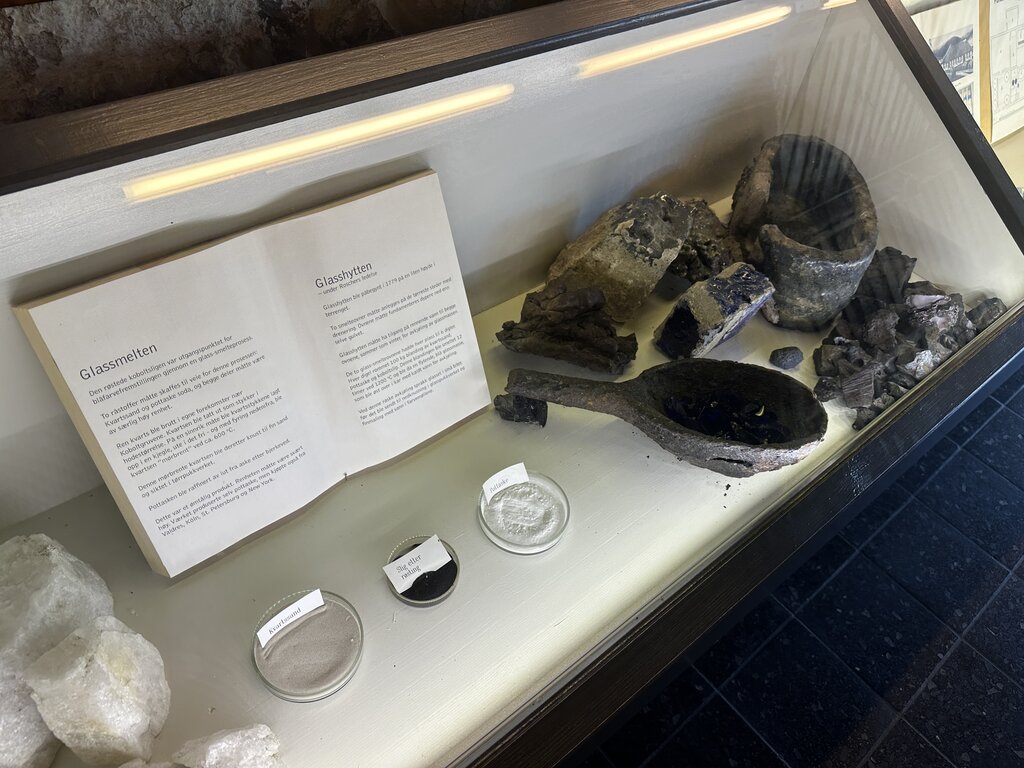
Despite its long history of use, cobalt wasn't officially discovered as a distinct element until around 1735 by the Swedish chemist Georg Brandt. He was the one who proved that the brilliant blue color came from this new metal, and not from other elements as was commonly believed.
The name 'cobalt' itself has a rather mythical origin. It comes from the German word kobold, which means 'goblin' or 'mischievous spirit'.
German miners in the Middle Ages would sometimes find an ore that looked like it contained silver, but when they tried to smelt it, it yielded no valuable metal and produced poisonous arsenic-filled fumes. They blamed these troublesome ores on goblins, calling them kobold ore.
It was this very 'goblin ore' that Georg Brandt later studied and used to isolate the element we now call cobalt. The name stuck, forever linking this useful metal to its folkloric past.
What is the atomic number of cobalt?
For thousands of years before it was identified as an element, what was the primary use of cobalt compounds?