The World of Cleanrooms
Introduction to Cleanrooms
What Is a Cleanroom?
A cleanroom is an environment designed to be exceptionally clean. The goal isn't just tidiness, but controlling the number of airborne particles like dust, microbes, and chemical vapors to an extremely low level. Think of it as a bubble of pure air, protecting sensitive processes from the outside world.
A cleanroom is a controlled environment that maintains a low level of environmental pollutants like dust, airborne microbes, aerosol particles, and chemical vapors.
Why go to such lengths? In many high-tech industries, even a single microscopic particle can be disastrous. A speck of dust can short-circuit a microchip, a stray bacterium can contaminate a batch of life-saving medicine, and a tiny fiber can misalign a sensitive optical lens for a satellite.
The primary purpose of a cleanroom is to protect the product, not the people. The elaborate suits and procedures are all designed to prevent contamination from the biggest source of particles in any room: us.
A Brief History
The concept isn't new. In the 19th century, surgeons like Joseph Lister recognized the importance of sterile operating theaters to prevent infections. However, the modern cleanroom was born in the 1960s with physicist Willis Whitfield.
Working at Sandia National Laboratories, Whitfield invented the laminar-flow cleanroom. His design used a constant, highly filtered, downward stream of air to push contaminants out of the workspace. This breakthrough was revolutionary, creating environments hundreds of times cleaner than any before and enabling the rapid growth of the microelectronics and aerospace industries.
Who Uses Cleanrooms?
Cleanrooms are essential in any field where particulate contamination can compromise quality, safety, or function. Key industries include:
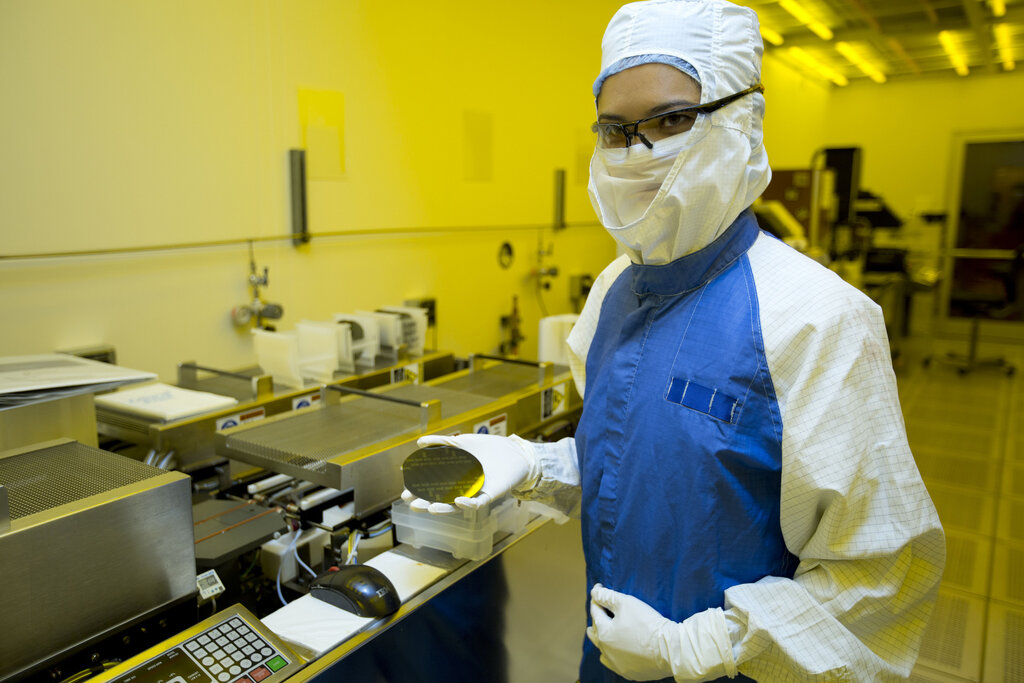
- Semiconductor Manufacturing: Fabricating computer chips involves etching microscopic circuits onto silicon wafers. A single dust particle is like a boulder in this landscape and can ruin the entire chip.
- Pharmaceuticals & Biotechnology: When producing sterile injectable drugs, vaccines, or medical devices, preventing microbial contamination is a matter of life and death.
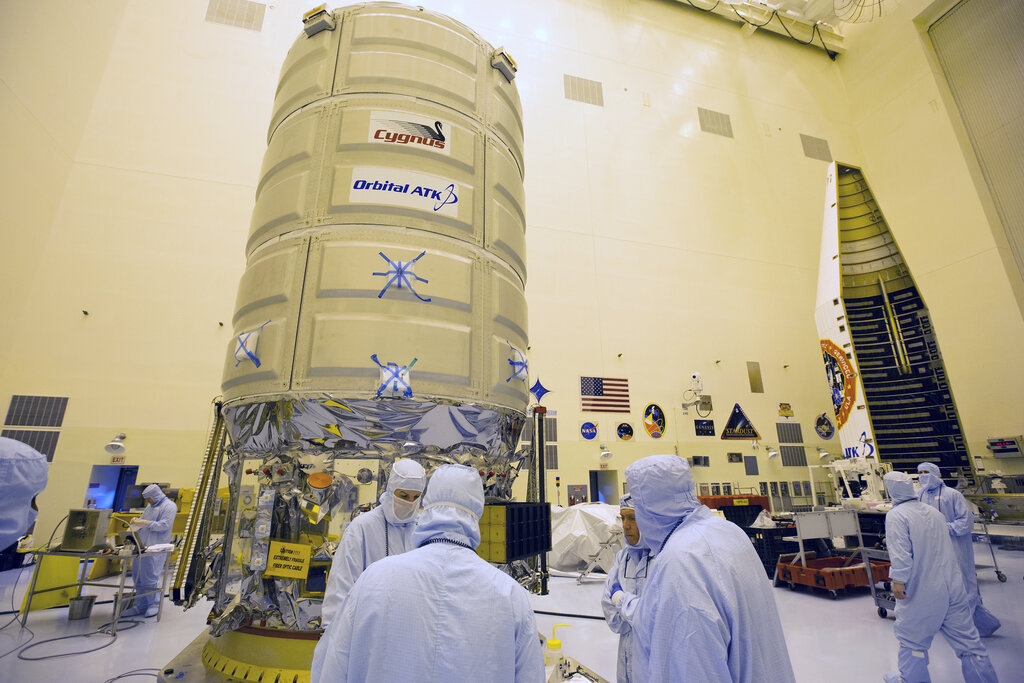
- Aerospace: Building satellites and spacecraft requires pristine conditions. Contaminants can interfere with sensitive instruments or cause failures in the harsh environment of space.
- Optics and Laser Technology: Manufacturing high-precision lenses, mirrors, and optical fibers demands an environment free of particles that could cause imperfections.
- Food Production: Certain food processing and packaging operations use cleanrooms to extend shelf life and prevent spoilage from airborne microbes.
How They Work
Controlling contamination relies on a few core principles and components working in harmony.
First, the air itself is rigorously cleaned. Massive air handlers push air through a series of filters, culminating in High-Efficiency Particulate Air (HEPA) or Ultra-Low Particulate Air (ULPA) filters. These are incredibly fine physical meshes that can capture particles as small as 0.3 or even 0.12 micrometers with over 99.9% efficiency.
Second, the filtered air is used to control how particles move. The two main strategies are turbulent and laminar airflow.
Finally, the room itself is designed to be easy to clean. Surfaces are smooth, non-porous, and resistant to chemicals. Corners are coved, and fixtures are minimized to prevent particles from settling and accumulating.
Cleanroom Classes
Not all cleanrooms are created equal. They are classified based on the number and size of particles permitted per volume of air. The most common standard is ISO 14644-1.
Classes are ranked from ISO 1 (the cleanest) to ISO 9 (the least clean, but still cleaner than a typical room). An ISO 1 cleanroom is an incredibly sterile environment, like those used for the most advanced semiconductor manufacturing. In contrast, an ISO 8 cleanroom might be used for less critical packaging operations.
To put it in perspective, the air in a typical city has millions of particles per cubic meter. An ISO 5 cleanroom allows for a maximum of 3,520 particles (0.5 micrometers or larger) per cubic meter. The lower the ISO class number, the more stringent and expensive the cleanroom is to build and maintain.
For example, an ISO Class 5 cleanroom requires far more stringent filtration and airflow controls than an ISO Class 8 cleanroom.
Understanding these principles and classifications is the first step in appreciating the vital role cleanrooms play in the technology that shapes our world.
Ready to test your knowledge? Let's see what you've learned about cleanroom basics.
What is the primary purpose of a cleanroom?
Who is credited with inventing the revolutionary laminar-flow cleanroom design in the 1960s?
By controlling the unseen world of microscopic particles, cleanrooms make modern innovation possible.