The World of Cats
Cat Anatomy
The Cat's Skeleton
Cats are masters of movement, and it all starts with their unique skeleton. While humans have 206 bones, the average cat has around 244. The exact number can vary depending on the length of their tail. This specialized framework is built for flexibility, speed, and stealth.
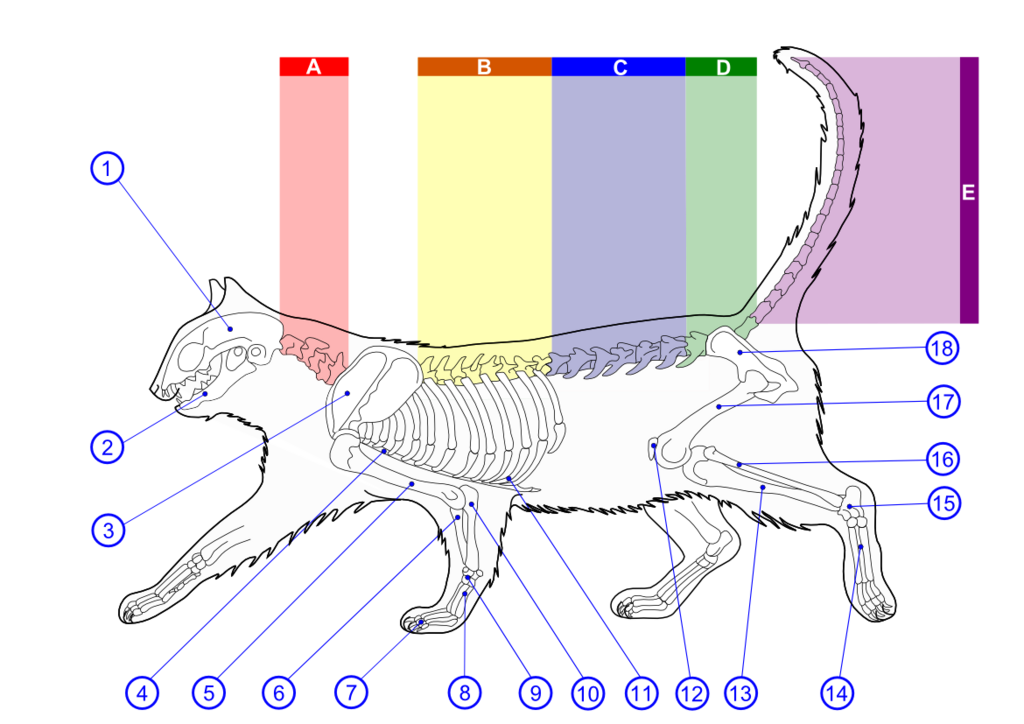
One of the most remarkable features is the cat's spine. It has more vertebrae than a human's spine, making it incredibly flexible. This allows cats to arch their back, twist their body mid-air, and groom almost every part of themselves.
Unlike humans, a cat's collarbone, or clavicle, is not rigidly attached to the shoulder. Instead, this tiny bone is embedded in muscle. This 'floating' clavicle allows them to flatten their bodies and squeeze through any opening that's as wide as their head. Their shoulder blades are also attached by muscle rather than bone, giving their front legs a huge range of motion for climbing and reaching.
The combination of a flexible spine and a floating clavicle gives cats their signature grace and ability to navigate tight spaces.
Muscles Built for Stealth
Attached to this agile skeleton is a powerful muscular system. A cat's body is about 60% muscle. They have a high proportion of fast-twitch muscle fibers, which contract quickly and provide explosive power. This is perfect for the short, intense bursts of energy needed for hunting: stalking, pouncing, and sprinting.
The trade-off is that these muscles tire quickly, which is why cats aren't built for long-distance running. After a chase, they need to rest and recover. The large, powerful muscles in their hind legs act like coiled springs, allowing them to leap several times their own body length from a standstill.
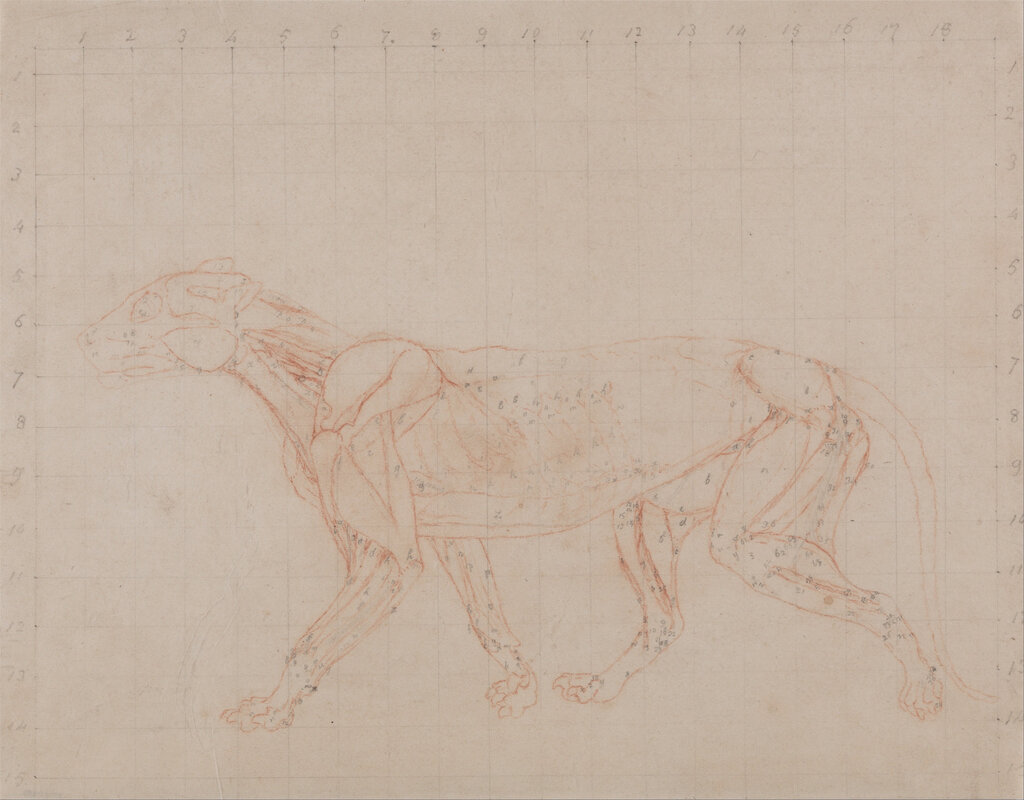
Beyond the large power muscles, cats also possess finely tuned smaller muscles. These allow for the precise, delicate steps of a silent stalk and the subtle adjustments needed to maintain perfect balance on a narrow fence.
A Look Inside
Beneath the muscle and bone, a cat's internal organs are highly specialized, particularly for their diet.
carnivore
noun
An animal that feeds on flesh.
Cats are obligate carnivores, meaning their bodies are designed to thrive on a diet of meat. Their digestive system reflects this. They have a relatively short small intestine and a simple stomach designed to process protein and fat efficiently. The highly acidic environment in their stomach helps break down raw meat and kill harmful bacteria.
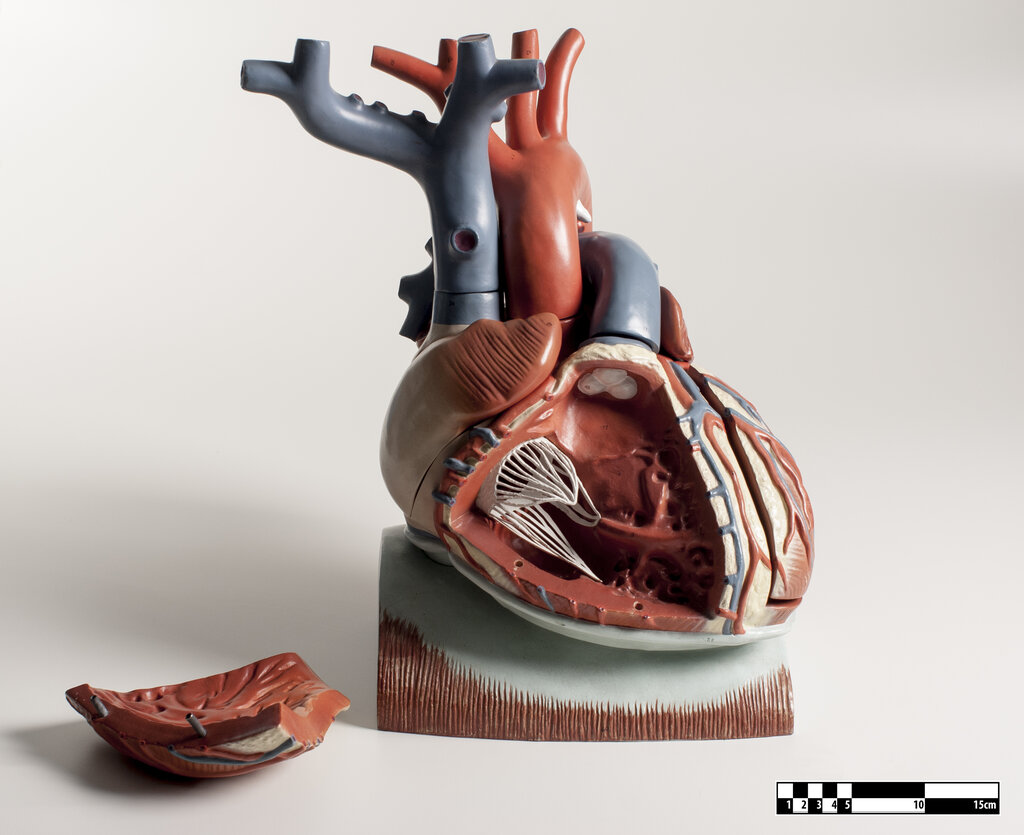
Their heart and lungs are also built for a predatory life. The cardiovascular system is incredibly efficient at delivering oxygen-rich blood to the muscles during a hunt, fueling those explosive bursts of speed. When at rest, a healthy cat's heart beats between 140 and 220 times per minute.
Finally, the urinary system is exceptionally good at conserving water. This is an evolutionary holdover from their desert-dwelling ancestors. Their kidneys can concentrate urine to a high degree, allowing them to get much of the water they need directly from their food.
Understanding these basic anatomical structures helps us appreciate the cat for the remarkable, highly adapted animal it is.