The World of Candles
Introduction to Candles
What is a Candle?
At its core, a candle is a simple tool for creating light and sometimes heat. It consists of a wick embedded in wax or another flammable solid. When you light the wick, the flame's heat melts the wax near it. This liquid wax is then drawn up the wick by a process called capillary action.
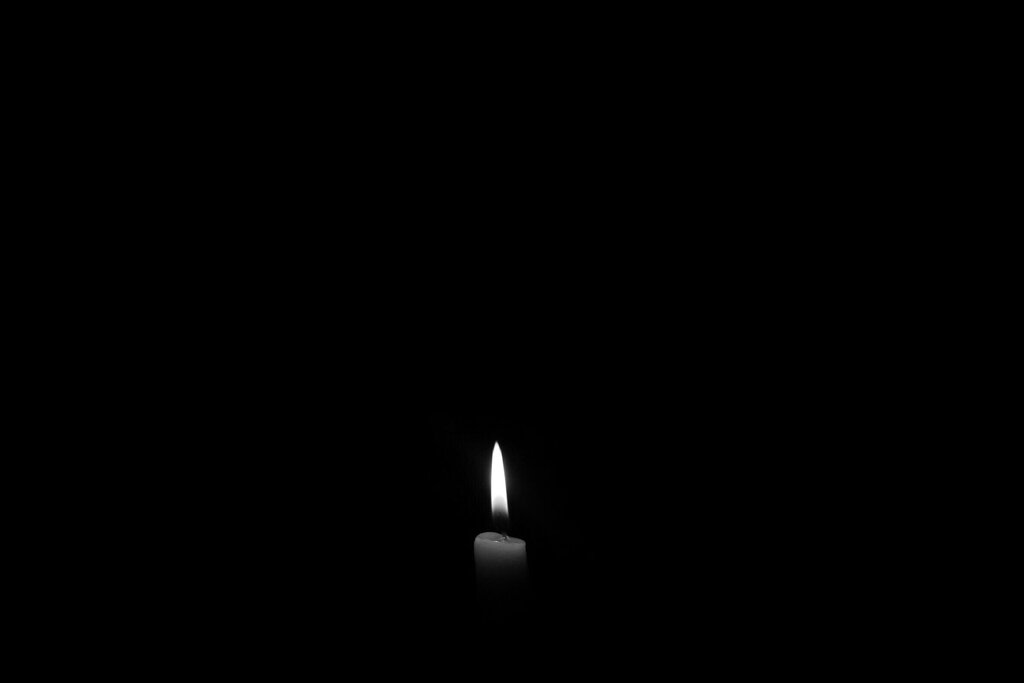
The heat from the flame vaporizes the liquid wax, turning it into a hot gas. This gas is the fuel that reacts with oxygen in the air to create a steady flame. As long as there is fuel (wax) and oxygen, the candle will continue to burn.
The Two Key Parts
Every candle, no matter how simple or complex, relies on two essential components working together: the wax and the wick.
Wax
noun
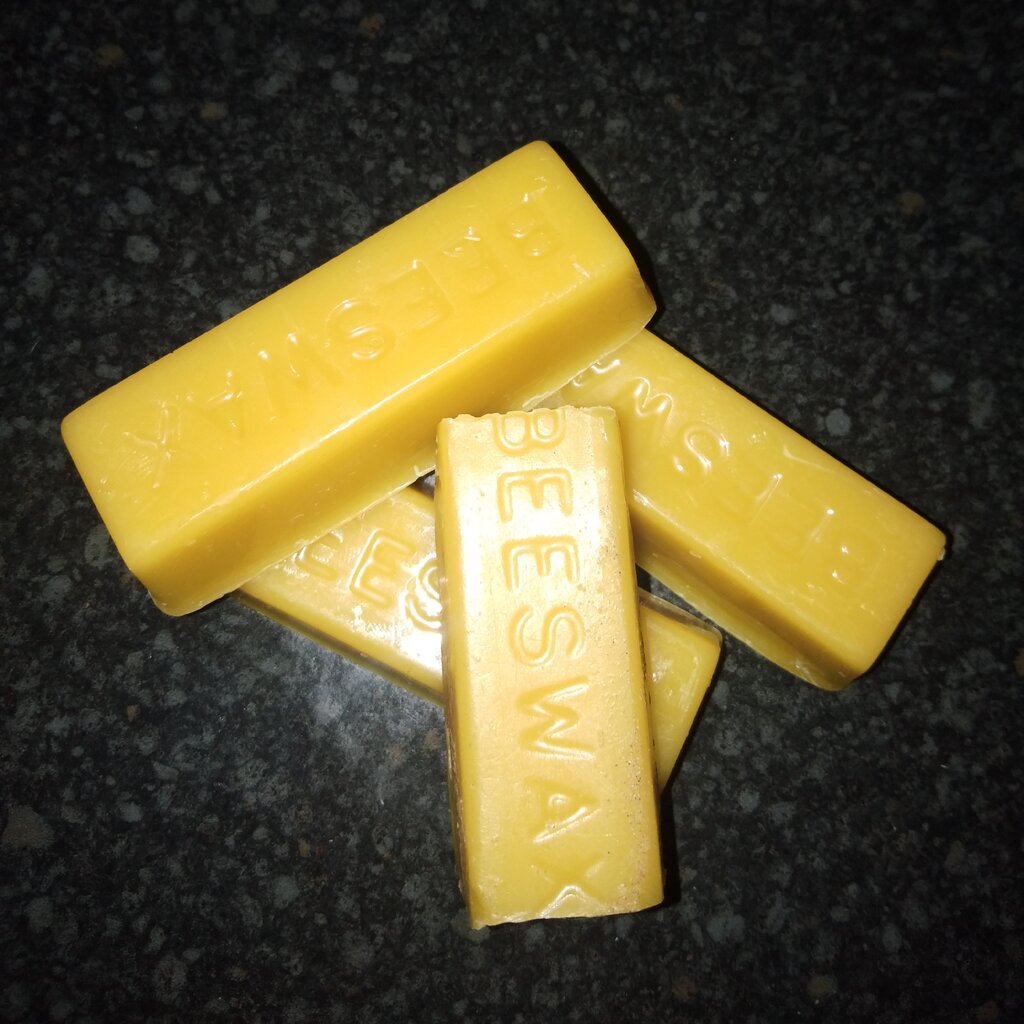
A flammable, solid substance that serves as the fuel for a candle. It can be made from various materials, including paraffin, soy, beeswax, or palm wax.
The wax is the candle's fuel source. The type of wax used can affect the candle's burning time, scent throw, and appearance. For example, beeswax candles often have a subtle honey scent, while soy wax is known for burning slowly and cleanly.
Wick
noun
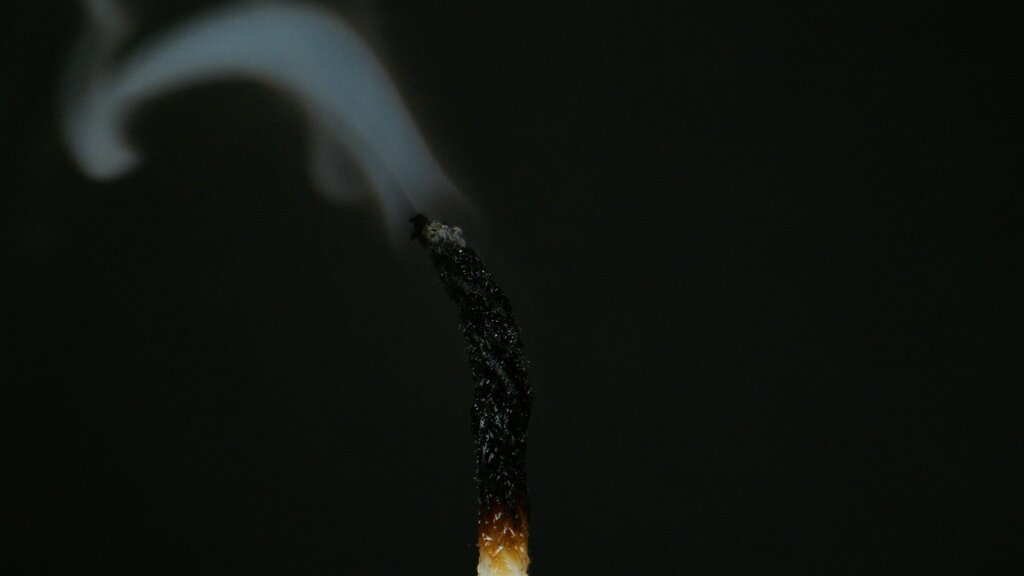
A braided cord, typically made of cotton or wood, that draws liquid wax up to the flame to burn.
The wick's job is to act like a straw for the melted wax. It needs to be the right size for the candle's diameter. A wick that's too large will create a dangerously large flame and soot, while one that's too small will create a tiny flame that might extinguish itself.
How We Use Candles Today
While candles were once a primary source of light, electric lighting has made them less of a necessity. However, they are more popular than ever for other reasons.
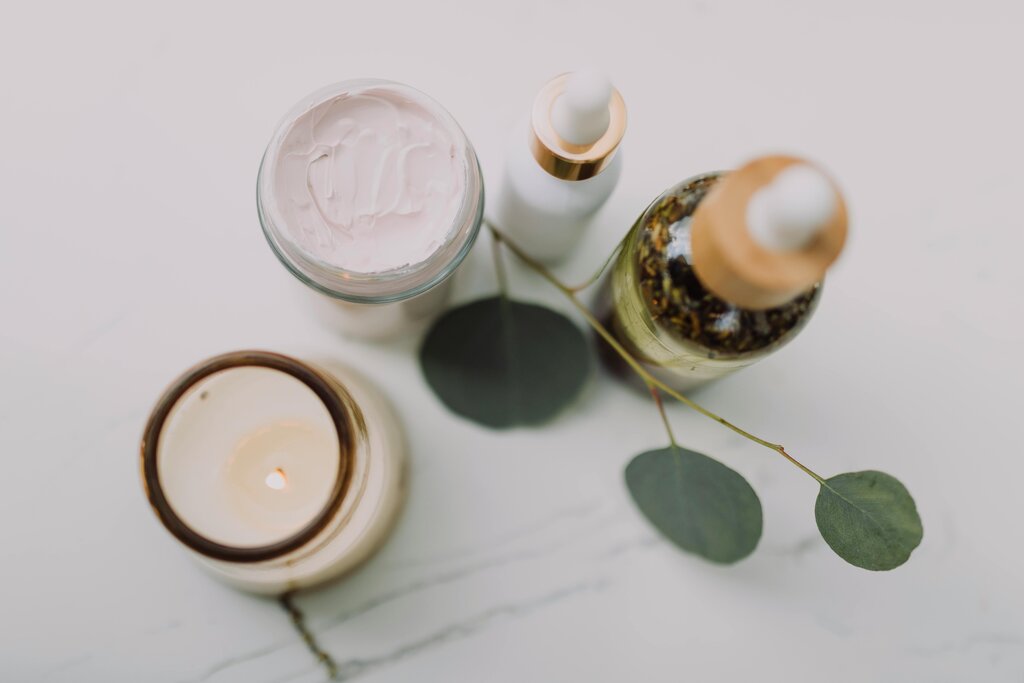
Today, candles are used for ambiance, celebration, aromatherapy, and decoration.
A lit candle can make a room feel cozy and relaxing. Scented candles, infused with essential oils or synthetic fragrances, can fill a space with pleasant aromas, helping with relaxation or masking unwanted odors. They are also central to celebrations, from the candles on a birthday cake to their use in religious and cultural ceremonies around the world.
And, of course, they still serve their original purpose as a reliable source of light during a power outage.
What is the process by which liquid wax travels up the wick to the flame?
What is the actual fuel that reacts with oxygen to create the candle flame?