The World of Blue Cheese
Introduction to Blue Cheese
What Makes Blue Cheese Blue?
Blue cheese is a category of cheese known for its distinctive blue or green veins and sharp, salty flavor. These veins are not just for show; they're the source of the cheese's unique character. The texture can range from soft and creamy, perfect for spreading, to firm and crumbly.
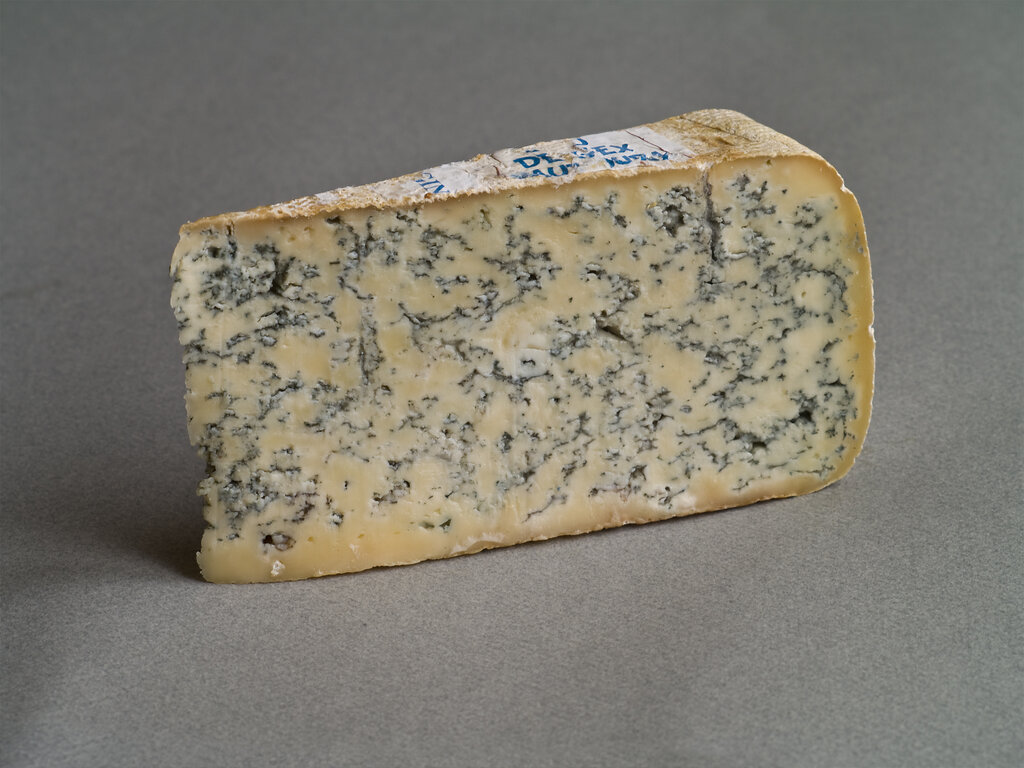
The streaks and pockets that give blue cheese its name are actually colonies of a specific, edible mold. This might sound unappetizing, but it's a completely controlled and safe process, similar to how yeast is used to make bread or beer.
The Role of Penicillium
The magic ingredient behind blue cheese is a mold from the Penicillium genus. Cheesemakers introduce specific strains, such as Penicillium roqueforti or Penicillium glaucum, to the milk or curds during the cheesemaking process. This isn't the same fuzzy green or black mold you might find on a forgotten loaf of bread. Those molds can produce harmful toxins, whereas the strains used in cheese are perfectly safe for consumption.
Penicillium
noun
A genus of fungi used in the production of certain cheeses and for creating the antibiotic penicillin. The strains used in food are safe to eat.
For the mold to grow, it needs oxygen. To provide it, cheesemakers pierce the wheels of cheese with long needles. This allows air to circulate inside, encouraging the Penicillium to grow along these channels, forming the characteristic veins.
Creating Flavor and Texture
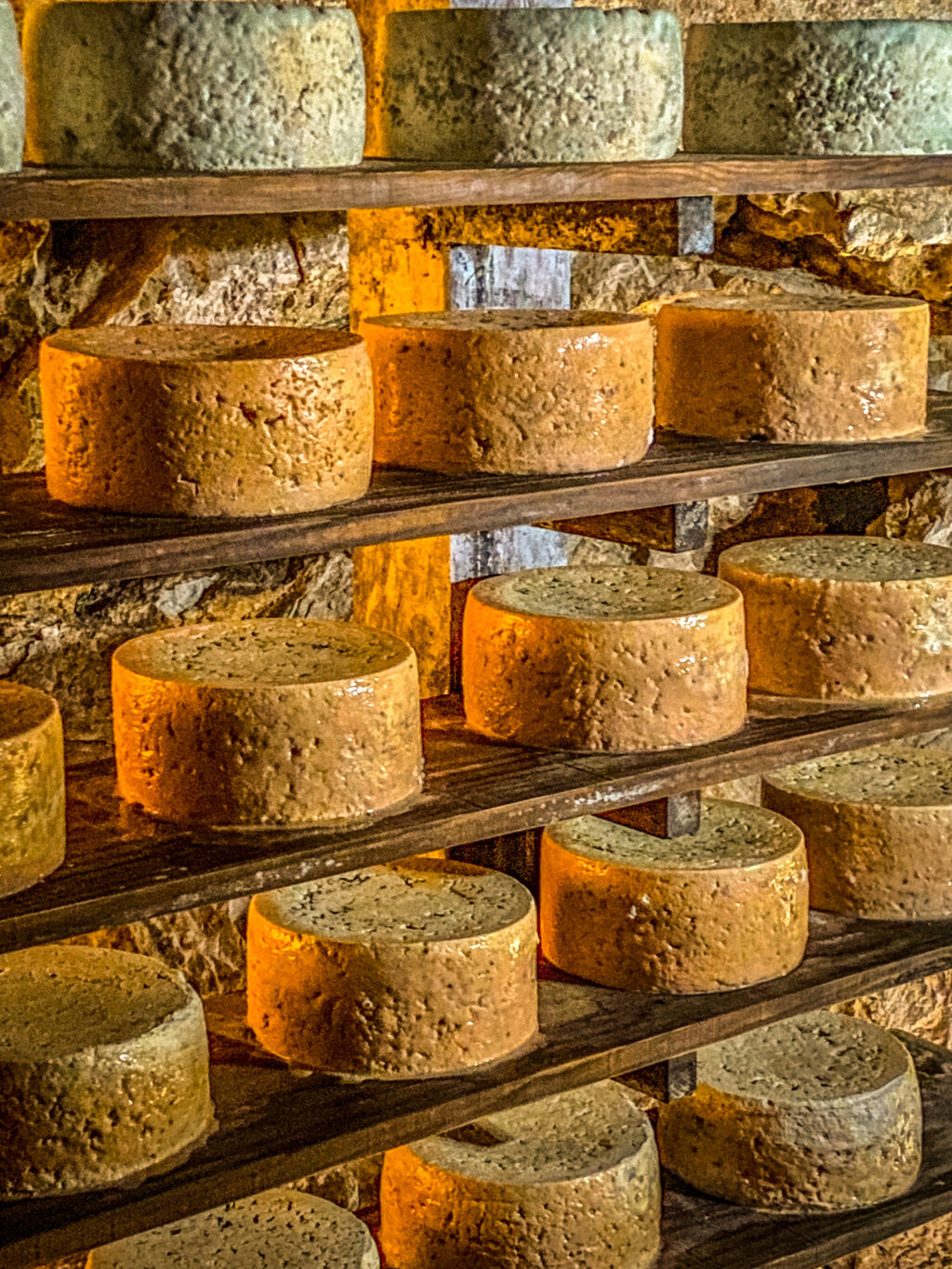
As the mold grows, it releases enzymes that break down the fats (lipids) and proteins in the cheese. This process, known as lipolysis and proteolysis, is what creates the complex flavors and aromas blue cheese is famous for. The breakdown of fats produces tangy, sharp notes, while the breakdown of proteins softens the texture, making it creamier.
The longer the cheese ages, the more pronounced these effects become. A young blue cheese might be relatively mild and firm, while a more mature one will be intensely flavorful and much softer. The amount and type of Penicillium used also play a big part in the final taste and texture.
Essentially, the mold does the work of transforming a simple cheese into something with incredible depth and complexity.
What is the primary cause of the characteristic blue or green veins found in blue cheese?
Why are wheels of blue cheese pierced with long needles during the aging process?
Now you know the basics of what blue cheese is and how it gets its unique look and taste. It's all thanks to a carefully controlled, flavor-producing mold.