The World of Asset Management
Introduction to Asset Management
What Is Asset Management?
Every organization owns things of value. These can be physical items like computers and machinery, or intangible things like software licenses and brand reputation. These are all "assets." Asset management is simply the process of getting the most value out of these assets over their entire lifespan.
Think of it as a systematic approach to looking after your company’s resources. It's not just about tracking what you have; it’s about making smart decisions to maximize their performance, minimize risks, and reduce costs. When done right, asset management ensures that every dollar spent on an asset contributes directly to the organization's larger goals.
Effective asset management helps a company operate more efficiently and make better long-term financial decisions.
The Asset Lifecycle
Every asset has a life, from the moment it's conceived until it's no longer needed. This journey is called the asset lifecycle, and it typically moves through five distinct stages. Understanding this cycle is fundamental to managing any asset effectively.
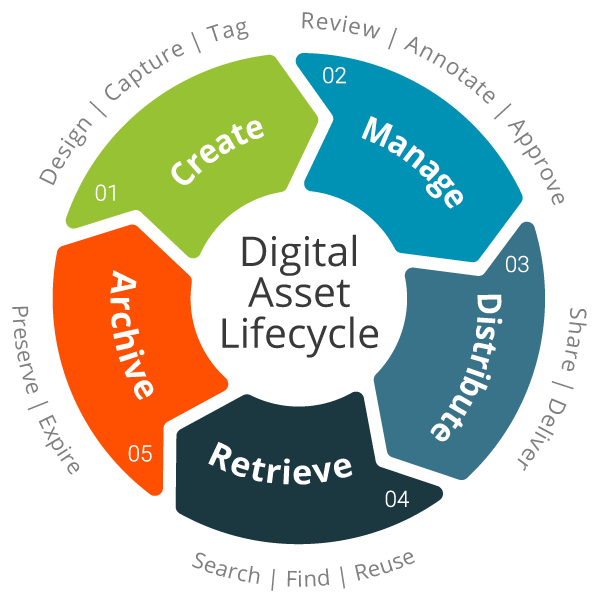
Let's break down these stages:
-
Planning: This is the starting point. Before acquiring anything, an organization must determine what it needs and why. What problem will this asset solve? What are the requirements? Proper planning prevents wasteful spending.
-
Acquisition: Once a need is confirmed, the asset is procured. This could mean buying it from a vendor, building it in-house, or leasing it. The goal is to acquire the right asset at the best possible cost.
-
Operation: Now the asset is put to work. During this stage, which is often the longest, the asset is used to generate value for the organization. This could be a server running applications or a vehicle making deliveries.
-
Maintenance: To keep an asset running smoothly and extend its useful life, it needs to be maintained. This includes regular check-ups, repairs, and updates. Proactive maintenance prevents costly breakdowns and ensures the asset performs as expected.
-
Disposal: Eventually, an asset reaches the end of its life. It might become obsolete, too expensive to maintain, or no longer needed. Disposal involves retiring the asset, which could mean selling it, recycling it, or securely destroying it.
Why It Matters
Asset management isn't just for large corporations. It's crucial for any organization that relies on its resources to function. A manufacturing plant uses it to manage heavy machinery, a software company tracks its code and licenses, and a city government oversees its infrastructure like roads, bridges, and water systems.
The core objectives are universal. First, to maximize asset value. A well-maintained machine produces more goods with fewer breakdowns. Second, to minimize risks. Tracking software assets ensures compliance and prevents security vulnerabilities. Finally, to ensure sustainability. Planning for the responsible disposal of electronics protects the environment and upholds the company’s reputation.
Ultimately, a strong asset management strategy aligns the use of every asset with the organization's overarching goals. It transforms assets from mere expenses into strategic tools that drive efficiency, growth, and long-term success.
Ready to check your understanding? Let's review the key ideas we've covered.
What is the primary goal of asset management?
A company performs regular software updates and security patches on its servers. This activity belongs to which stage of the asset lifecycle?
By understanding the lifecycle and purpose of asset management, you can see how it forms a foundation for operational excellence in any industry.