The World of Artificial Intelligence
Introduction to Artificial Intelligence
What Is Artificial Intelligence?
Artificial intelligence, or AI, is a field of computer science focused on creating machines that can perform tasks that typically require human intelligence. This includes abilities like learning from experience, solving problems, understanding language, and making decisions.
Think of it as teaching a computer not just to follow instructions, but to think and adapt. Instead of programming every single step for a task, we create systems that can figure out some of the steps on their own.
At its core, AI is about simulating human intelligence in machines, programming them to think, learn, and problem-solve.
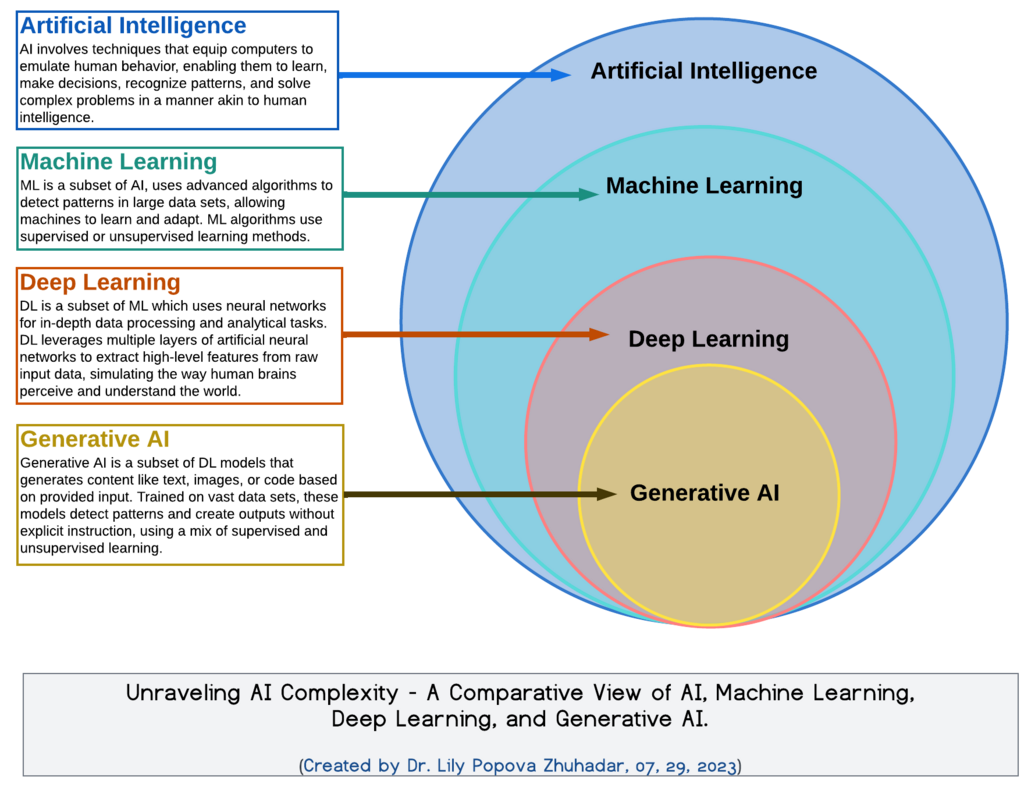
AI isn't a single technology. It's a broad category that includes several subfields. You'll often hear terms like Machine Learning and Deep Learning used alongside AI. Machine Learning is a subset of AI where systems learn from data, while Deep Learning is a further subset of Machine Learning that uses complex, multi-layered neural networks inspired by the human brain.
The Early Days
The dream of intelligent machines is ancient, but the scientific pursuit of AI began in the mid-20th century. One of the earliest pioneers was British mathematician Alan Turing. In 1950, he proposed the "Turing Test," a way to gauge a machine's ability to exhibit intelligent behavior indistinguishable from that of a human.
The field got its name in 1956 at a summer workshop at Dartmouth College. Computer scientist John McCarthy invited a small group of researchers to brainstorm how to make machines that could think. It was here that the term "artificial intelligence" was officially coined, marking the birth of AI as a formal field of study.
The field of AI was officially born at the Dartmouth Conference in 1956, where John McCarthy coined the term “artificial intelligence.”
Early researchers like McCarthy, Marvin Minsky, and Claude Shannon were incredibly optimistic. They believed that a machine as intelligent as a human being was only a generation away. This initial enthusiasm led to a wave of research and funding.
Hype and Winters
The history of AI hasn't been a straight line of progress. It's been a cycle of excitement and disappointment. Periods of intense optimism and investment, known as "AI summers," were often followed by "AI winters," when progress stalled, promises went unfulfilled, and funding dried up.
The history of Artificial Intelligence (AI) is a narrative of waves -- rising optimism followed by crashing disappointments.
The first AI winter hit in the mid-1970s. Early AI systems were impressive at solving simple, logical problems, but they struggled with the ambiguity and complexity of the real world. The computers of the time simply weren't powerful enough, and there wasn't enough data to train them effectively.
A second boom occurred in the 1980s with the rise of "expert systems," which were designed to mimic the decision-making ability of a human expert in a specific domain. While useful, they were expensive to build and maintain, and their capabilities were narrow. This led to another AI winter in the late 80s and early 90s.
The Modern AI Boom
So what brought us out of the last AI winter and into the current era of rapid advancement? Three key factors came together to create a perfect storm for AI development.
| Driver | Description |
|---|---|
| Big Data | The internet and digital devices created vast amounts of data, providing the raw material for training AI models. |
| Computing Power | The development of powerful graphics processing units (GPUs) made it possible to perform the massive calculations needed for complex AI. |
| Algorithmic Advances | Researchers developed new and improved algorithms, particularly in the area of deep learning, that could leverage all that data and computing power. |
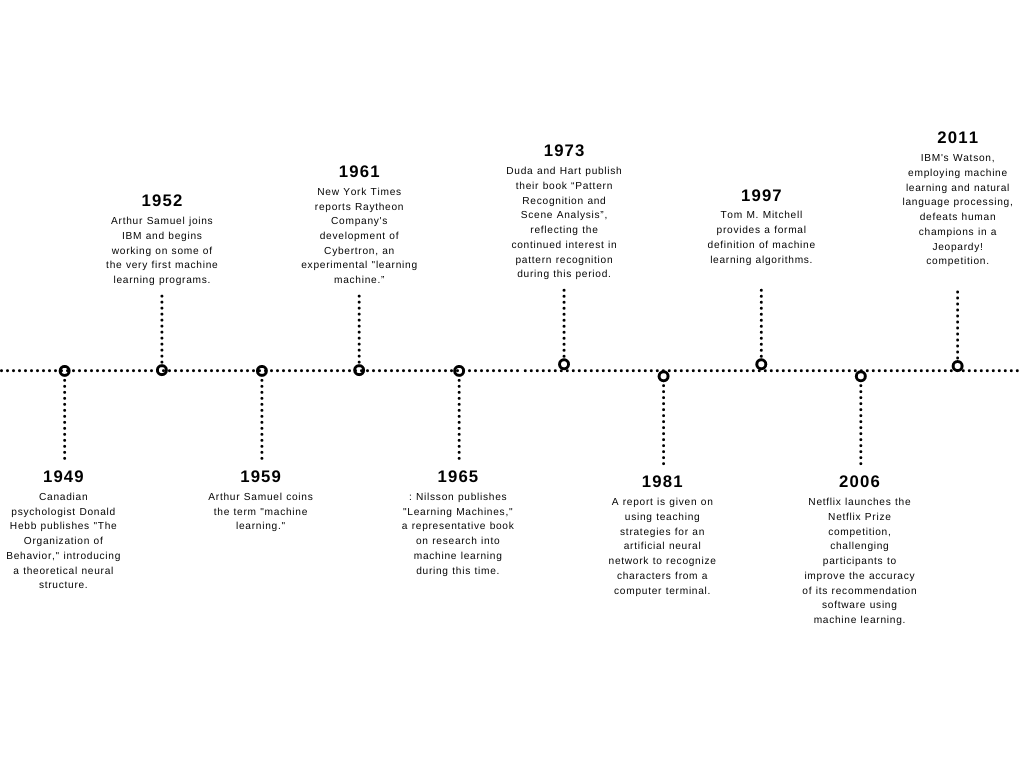
Major milestones began to fall. In 1997, IBM's Deep Blue defeated world chess champion Garry Kasparov. In 2011, IBM's Watson won the quiz show Jeopardy! These events demonstrated that AI could tackle complex challenges that were once thought to be exclusive to humans.
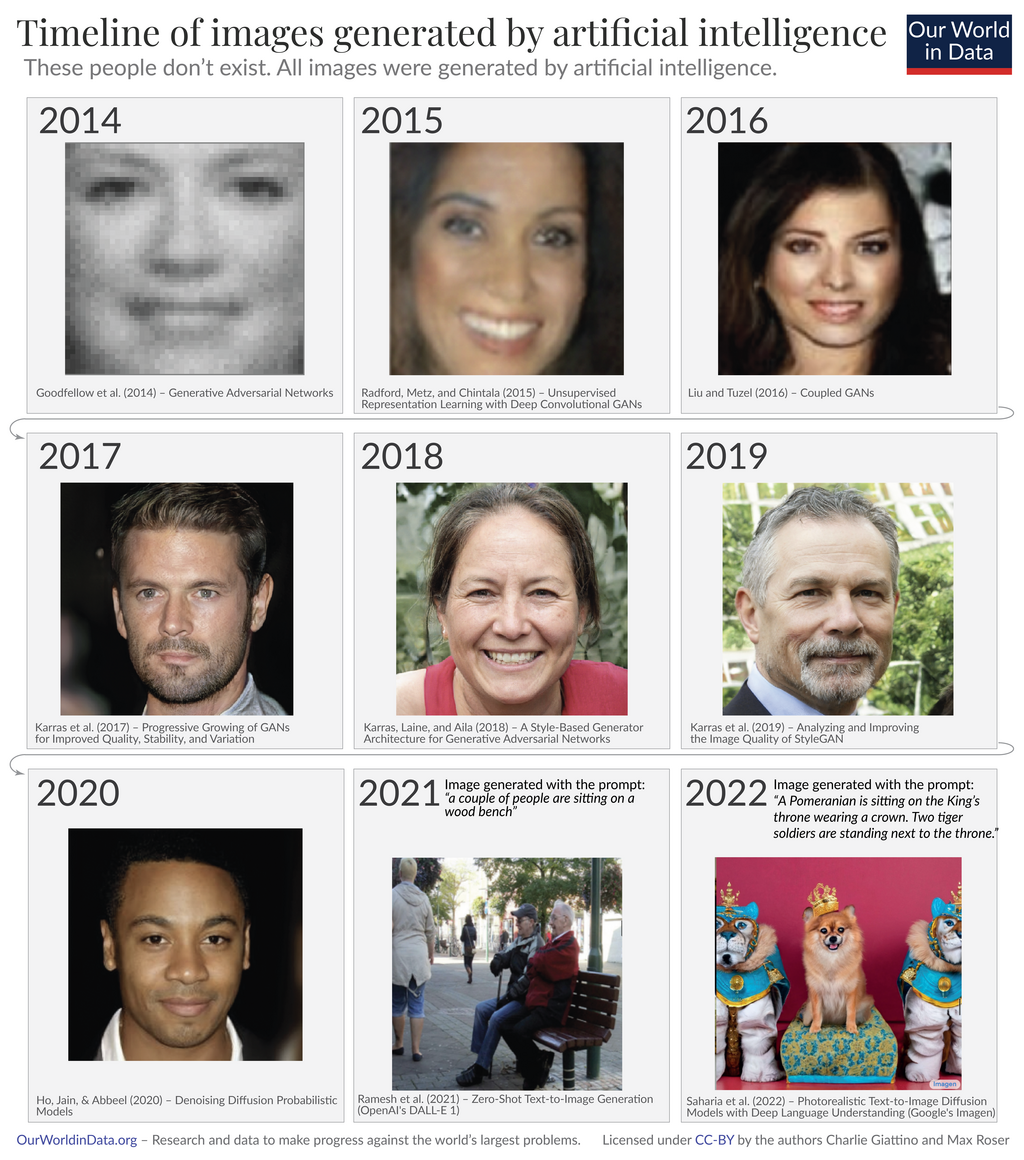
Since then, progress has accelerated dramatically, especially with the rise of deep learning and generative AI, which can create new content like text, images, and code.
Let's review some of the key terms and people we've covered.
Now, check your understanding of these foundational concepts.
What is the primary goal of the field of artificial intelligence?
Which statement accurately describes the relationship between AI, Machine Learning (ML), and Deep Learning (DL)?
Understanding this history—from early philosophical questions to the cycles of boom and bust—provides the context for where AI is today and where it might be headed.