The World of Art Therapy
Introduction to Art Therapy
Art as Therapy
Art therapy is a way of using creative activities like drawing, painting, or sculpting to explore emotions, reduce anxiety, and improve self-esteem. It’s a form of psychotherapy that combines the creative process with psychological theory, guided by a trained art therapist.
Think of it this way: sometimes, words are not enough. We might struggle to explain a feeling or a difficult experience. Art therapy provides another language. By creating something tangible, you can express thoughts and feelings that might otherwise stay buried. The focus isn't on creating a masterpiece, but on the process of making art and the insights that come from it.
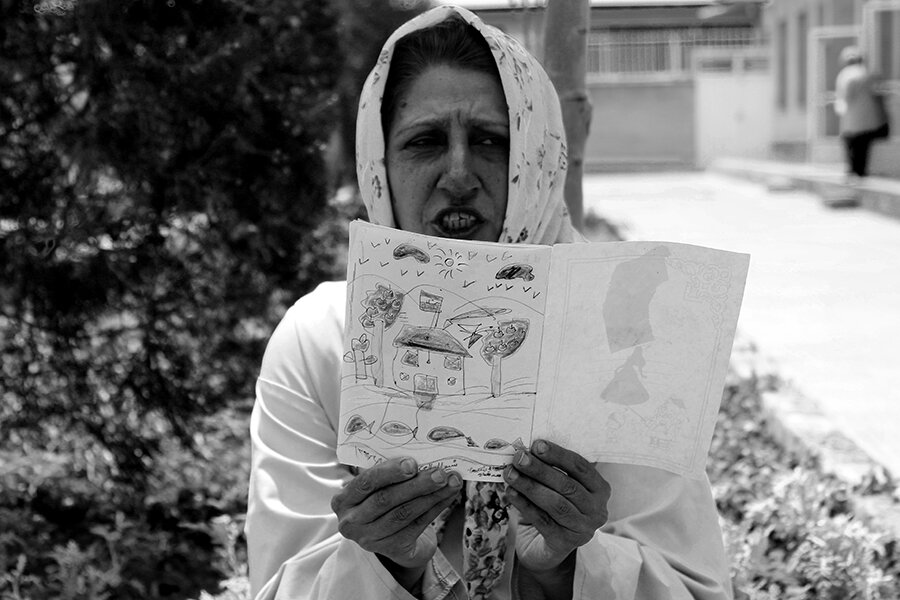
It’s not just about what you create. An art therapist helps you understand the meaning behind your art and how it connects to your life. This process can help you build self-awareness, cope with stress, and work through emotional challenges.
A Brief History
While people have used art for expression and healing for thousands of years, art therapy as a formal profession is a 20th-century development. Its roots grew from the observation that individuals in hospitals and sanatoriums, particularly those with mental health conditions, often expressed themselves through art.
The field began to take shape thanks to a few key pioneers who recognized its potential.
Adrian Hill, a British artist, coined the term "art therapy" in 1942. While recovering from tuberculosis in a sanatorium, he found that drawing helped his recovery. He began encouraging other patients to create art, noticing a significant improvement in their well-being.
Around the same time in the United States, Margaret Naumburg, an educator and psychologist, was developing her own approach. She is often considered the "mother of art therapy" in America.
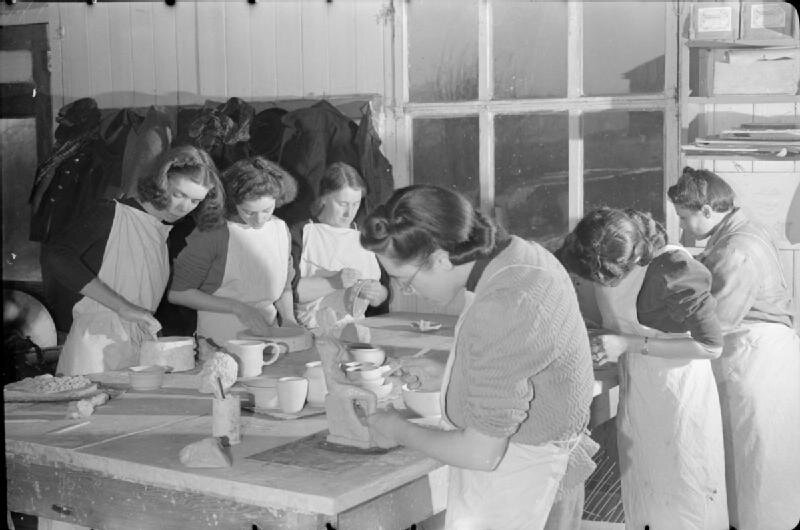
Naumburg believed that the creative process itself was a form of healing. Her method focused on using art to release unconscious thoughts and feelings, similar to psychoanalysis. She saw the art created as a symbolic language between the patient and the therapist.
Thanks to the work of Hill, Naumburg, and others, art therapy evolved from an interesting observation into a respected therapeutic discipline. Professional organizations were formed, educational standards were set, and the practice is now used in schools, hospitals, and private practices around the world.
Let's check your understanding of these foundational ideas.
What is the primary focus of art therapy?
According to the text, when did art therapy begin to formalize as a professional discipline?
Art therapy offers a unique path to understanding ourselves, using creativity as a bridge to our inner world.