The World of Art
Introduction to Art History
What Is Art History?
Art history is the study of art, but it's more than just admiring pretty pictures. It's about understanding why a piece of art was made, what it meant to people at the time, and what it tells us about the past. Think of an art historian as a detective. They look for clues not only in the artwork itself but also in the world that surrounded its creation.
Art history is the study of objects of art in their historical and stylistic contexts.
By studying art, we learn about the beliefs, ideas, and daily lives of different cultures throughout time. A statue from ancient Greece tells a different story than a painting from Renaissance Italy or a photograph from 21st-century New York. Art history gives us the tools to decode these stories.
Reading the Image
The first tool for any art historian is their own eyes. This is called formal analysis, and it means looking closely at the visual elements of an artwork. It's about describing what you see before you try to interpret what it means. The main components are:
- Color: Are the colors bright and bold, or muted and somber? Artists use color to create a mood, direct your attention, or symbolize ideas.
- Line: Are the lines sharp and straight, or soft and curving? Lines can guide your eye through the piece, create a sense of calm, or suggest energy and movement.
- Space: Does the artwork feel deep, like you could walk into it, or is it flat? Artists use techniques like perspective to create an illusion of three-dimensional space.
- Composition: How are all the elements arranged? Is the main subject in the center? Is the composition balanced and symmetrical, or is it chaotic and unbalanced? The arrangement of objects and figures is a key part of the artist's message.
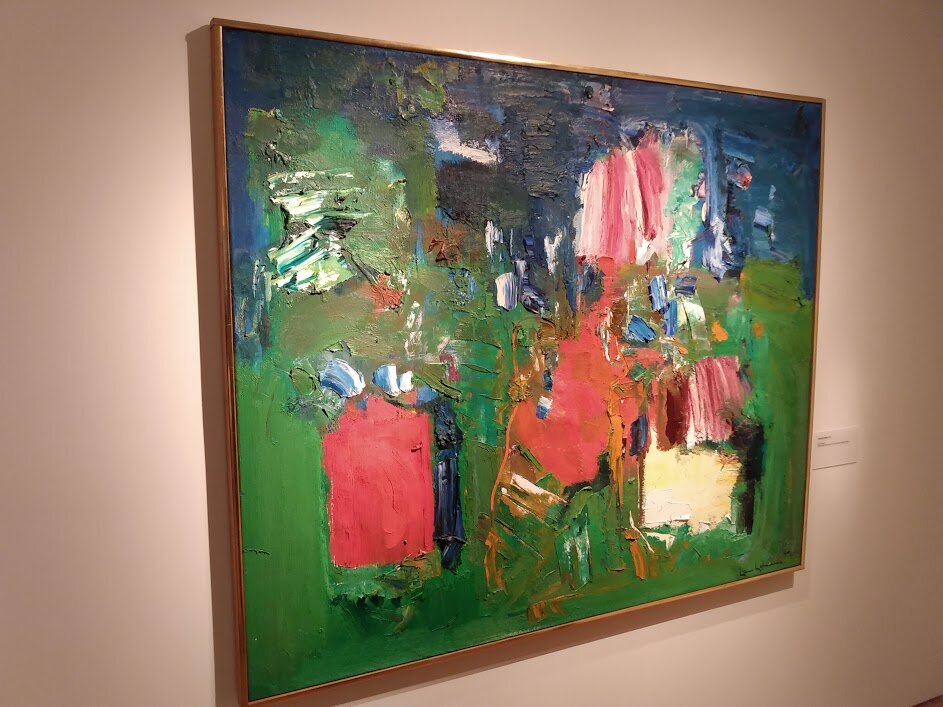
Formal analysis focuses on the visual evidence. It's about asking, "What do I see?" before asking, "What does it mean?"
Looking Beyond the Frame
Once we've looked closely at the artwork, we need to consider its world. This is called contextual analysis. An artwork is a product of its time and place, and understanding that context is crucial for a full interpretation. We might ask questions like:
- Who made it? What do we know about the artist's life, beliefs, and training?
- When was it made? What major historical events were happening at the time, like wars, revolutions, or scientific breakthroughs?
- Why was it made? Was it a commission for a church, a portrait for a wealthy merchant, or a personal expression by the artist?
- What was its culture like? What were the dominant religious, political, and social values of the society that produced it?
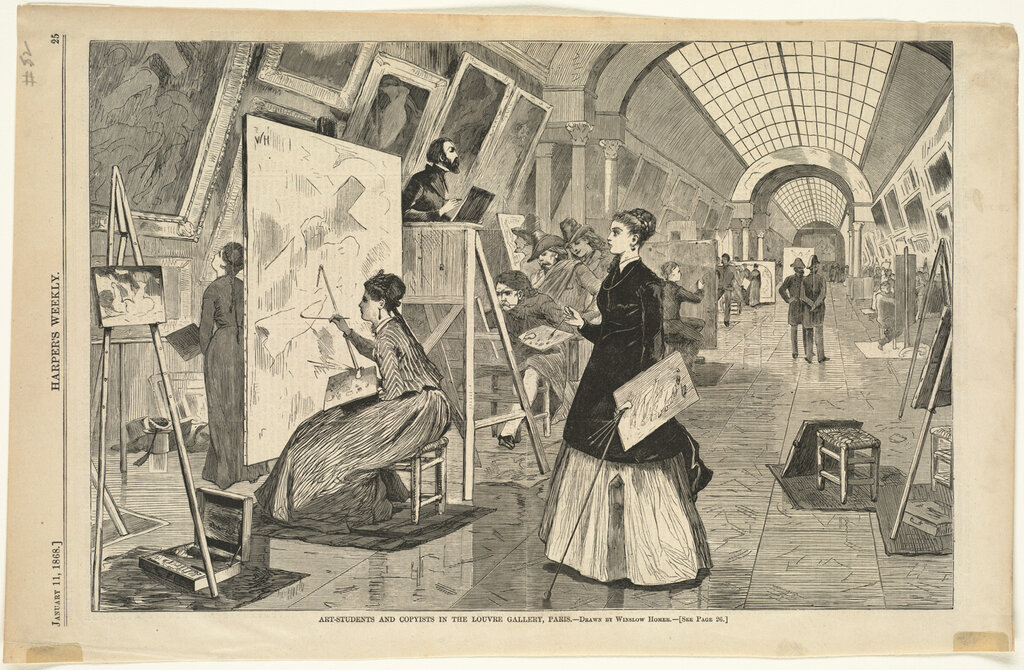
Connecting an artwork to its historical and cultural background helps reveal deeper layers of meaning that we might miss with formal analysis alone. A painting isn't just a collection of lines and colors; it's a window into another time.
Groups and Styles
As you explore art history, you'll encounter the idea of art movements. An art movement is a style or philosophy shared by a group of artists during a specific period. They often have similar visual characteristics and are united by common goals or ideas.
movement
noun
A tendency or style in art with a specific common philosophy or goal, followed by a group of artists during a restricted period of time.
Think of movements like Impressionism, Cubism, or Pop Art. Recognizing these styles helps us categorize art and understand the flow of history, seeing how artists reacted to, built upon, or rebelled against the work of those who came before them.
An art historian is examining the arrangement of figures in a painting to see if the composition is balanced or chaotic. This is an example of what?
Which of the following questions is most likely to be asked during a contextual analysis of a sculpture?
Using formal and contextual analysis together allows for a rich, layered understanding of art and its place in human history.