The World of Art
Introduction to Art History
What Is Art History?
Art history is more than just memorizing names and dates. It's the study of human stories told through objects. By looking at art, we can understand the beliefs, values, and daily lives of people from different times and places. It’s a way to travel through time and see the world through someone else's eyes.
Art history is the study of objects of art in their historical and stylistic contexts.
Think of an ancient Greek vase. On the surface, it's a piece of pottery. But to an art historian, it’s a window into Greek mythology, social rituals, and even trade routes. The goal is to understand not just what an artwork looks like, but why it was made, who made it, and what it meant to its original audience.
The Many Forms of Art
When we say "art," paintings in a museum might be the first thing that comes to mind. But art takes countless forms. Each form, or medium, offers artists a unique way to express their ideas.
Common mediums include painting, sculpture, architecture, drawing, printmaking, photography, and more recently, digital art and performance pieces.
A sculptor working with marble faces different challenges and possibilities than a photographer capturing a fleeting moment. An architect designing a cathedral thinks about space, light, and function in ways a painter might not. Understanding the medium helps us appreciate the artist's skill and the specific choices they made.
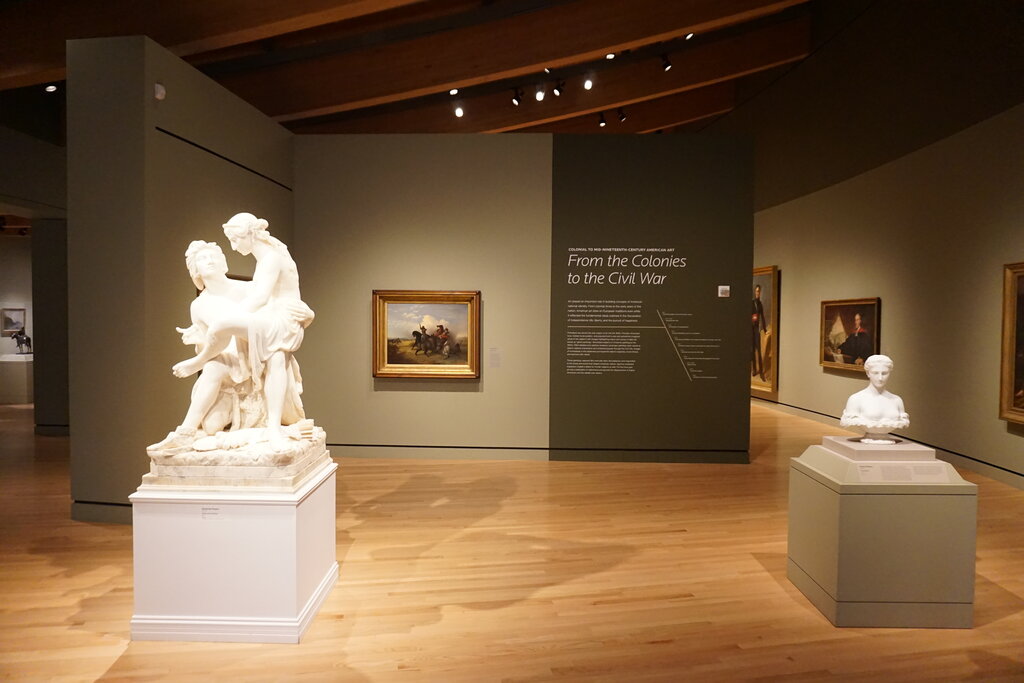
How to Look at Art
Art historians use a few key methods to analyze artworks. These approaches help us move from a simple first impression to a deeper understanding. The two main paths are formal analysis and contextual analysis.
Formal Analysis
noun
The study of an artwork based on its visual elements, such as color, line, composition, and texture. This method focuses on what you can see.
Formal analysis is all about the artwork itself, separate from its history or background. You might ask questions like: How are the colors used? Is the composition balanced or chaotic? Are the lines sharp or soft?
Contextual Analysis
noun
The study of an artwork by considering its surrounding circumstances. This includes the historical events, cultural values, and the artist's life.
Contextual analysis looks outside the frame. Here, you might ask: What was happening in the world when this was created? Who paid for it, and why? What was the artist trying to say about their society?
| Question | Type of Analysis |
|---|---|
| What colors and shapes do I see? | Formal |
| When and where was this made? | Contextual |
| How is the artwork arranged? | Formal |
| What was the artist's life like? | Contextual |
| What is the texture of the surface? | Formal |
A full understanding usually requires both. Formal analysis helps you appreciate the artistic skill, while contextual analysis reveals the meaning behind it.
Art as a Mirror of Society
Art never exists in a vacuum. It is always a product of its time, reflecting the ideas, anxieties, and aspirations of the culture that created it. By studying art, we can see how people in the past understood their world and their place in it.
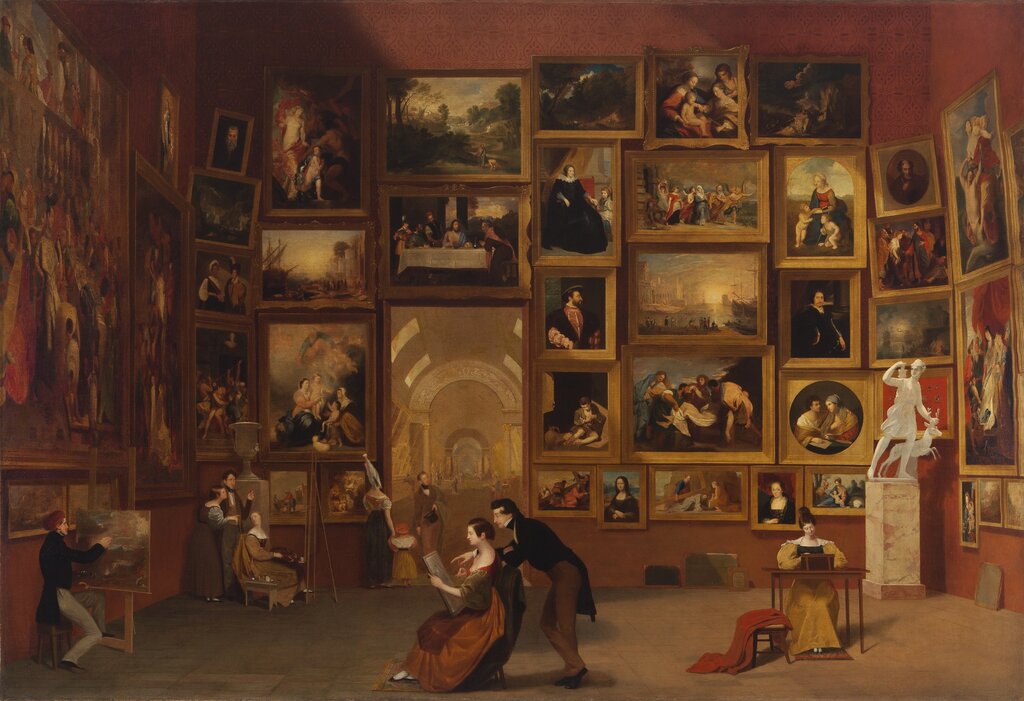
For example, the grand portraits of kings and queens tell us about that society's ideas of power and authority. The simple, everyday scenes painted by Dutch artists in the 17th century reflect the values of a rising merchant class. Protest art from the 20th century captures the social and political turmoil of its era.
Every piece of art is a clue. It helps us piece together the giant, complex puzzle of human history, one creative act at a time.
Now, let's test your understanding of these foundational concepts.
What is the primary goal of art history as described in the text?
An art historian asking, "What was happening in the world when this was created?" is engaging in which type of analysis?
By learning how to look at and question art, you've taken the first step into the rich and rewarding field of art history.