The World of Architecture
Introduction to Architecture
More Than Just Buildings
Think about the last building you were in. Was it your home? A school? An office? We spend most of our lives inside structures, but we rarely stop to think about how they are designed. Architecture is the art and science of designing these spaces. It's about more than just putting up walls and a roof; it's about creating environments for people to live, work, and connect.
At its core, architecture is problem-solving. It answers the fundamental human need for shelter, but it also strives to create spaces that are useful, strong, and beautiful.
The Three Pillars
Every piece of architecture, from a simple shed to a soaring skyscraper, balances three key elements: function, form, and aesthetics. These principles have guided builders for thousands of years.
Function is the most straightforward. It asks, “What is this building for?” A hospital needs operating rooms and patient wards. A library needs quiet reading areas and rows of shelves. The purpose of a building is its functional foundation. If a building doesn't work for the people using it, it has failed in its most basic duty.
Form refers to the building's shape and structure. It's the physical expression of the building's purpose. The long, open halls of an airport are a direct result of its function: to move large numbers of people efficiently. Form isn't just about the overall shape, but also about the layout of rooms, the choice of materials, and how the structure stands up. It’s the skeleton and skin of the building.
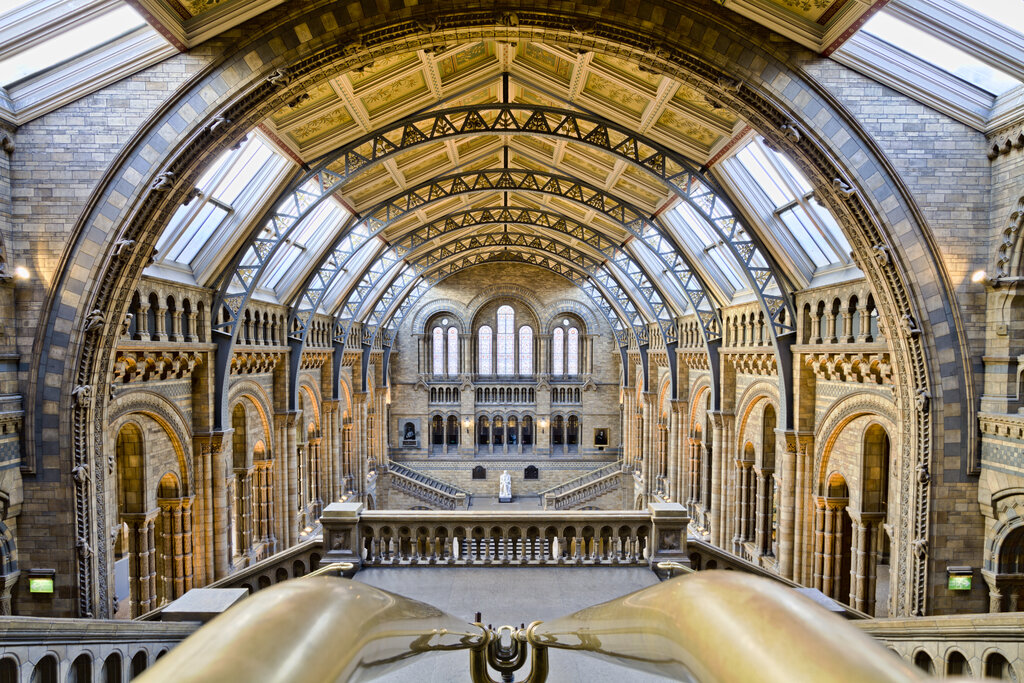
Finally, aesthetics is about how the building makes us feel. This is the art in architecture. Does the space feel welcoming, intimidating, calm, or chaotic? Aesthetics involves choices about light, color, texture, and proportion. It’s the element that can turn a simple shelter into a landmark that inspires awe and civic pride.
A Mirror to Society
Buildings do more than shelter us. They tell the story of who we are. The pyramids of Egypt speak of a society focused on the afterlife and divine rulers. The open-plan offices of today reflect a modern emphasis on collaboration and transparency.
Architecture is a physical record of a culture's values, priorities, and technological abilities. The materials available in a region, the local climate, and the dominant religious or political beliefs all shape the buildings that are created. By looking at a city's architecture, you can read its history—its periods of prosperity, its cultural influences, and its vision for the future.
In this way, architecture is a conversation across generations. It connects us to the people who lived in the same places hundreds or thousands of years ago, showing us what was important to them.
Now that you understand these core principles, let's test your knowledge.
Which trio of elements is considered fundamental to architectural design?
The primary purpose a building serves, such as a library needing quiet reading areas, is known as its __________.
Understanding these fundamentals—function, form, and aesthetics—is the first step to appreciating the complex world of architectural design and its impact on our daily lives.