The World of Advertising
Introduction to Advertising
What Is Advertising?
Advertising is the art of persuasion. At its core, it's a paid communication from a company to the public, designed to promote a product, service, or idea. Think of it as a company's way of saying, “Hey, look at this! You might like it.”
Its main goals are to inform people about something new, persuade them to try it, or simply remind them that a brand exists. Advertising is a key piece of the larger marketing puzzle, which also includes things like market research, product pricing, and how products get to the customer.
Essentially, advertising is how a business talks to its potential customers on a large scale.
A Quick Trip Through Time
Advertising isn't new. For centuries, businesses have been trying to capture public attention. Early forms were simple, like signs outside shops or announcements in the first newspapers. With the invention of the printing press, ads started appearing in magazines and posters.
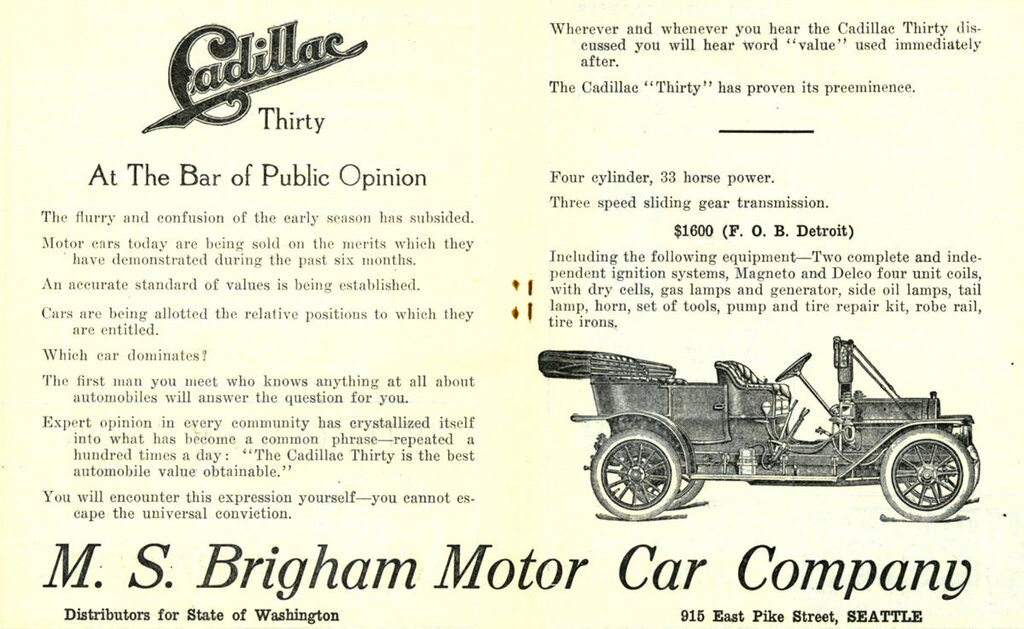
The 20th century brought radio and television, which allowed advertisers to reach massive audiences right in their homes. Then, the internet changed everything. Digital advertising opened up new channels like websites, social media, and search engines, making it possible to connect with people in highly specific ways.
| Feature | Traditional Advertising | Digital Advertising |
|---|---|---|
| Channels | TV, radio, newspapers, billboards | Social media, search engines, websites, email |
| Audience | Broad, general public | Specific, targeted demographics |
| Interaction | One-way communication | Two-way, interactive |
| Measurement | Difficult to track direct results | Highly measurable and trackable |
The AIDA Model
How does an ad actually work? A classic model for understanding the process is called AIDA. It breaks down the journey a person takes from first seeing an ad to taking an action.
AIDA stands for Attention, Interest, Desire, and Action. It's like a path that an effective advertisement guides a consumer along.
Here’s how it works:
- Attention: The ad first needs to grab you. A surprising image, a catchy headline, or a loud sound can do the trick.
- Interest: Once it has your attention, the ad must hold it. It might do this by presenting interesting information or a relatable problem.
- Desire: Next, the ad works to make you want the product. It shows you the benefits and creates an emotional connection, making you feel like the product could improve your life.
- Action: Finally, the ad prompts you to do something. This is the “call to action,” like “Buy now,” “Sign up today,” or “Visit our store.”
Think about a movie trailer. It grabs your attention with exciting clips, builds interest in the story and characters, creates a desire to see the full movie, and ends with an action: the release date.
Understanding these basic ideas is the first step to seeing how advertising shapes our world and influences our decisions. Now, let's test what you've learned.
What is the primary characteristic that defines advertising?
Which of the following is NOT one of the main goals of advertising mentioned in the text?