The Worker Through Two Millennia
Introduction to Work in Ancient Societies
The First Big Career Change
For most of human history, work meant one thing: finding your next meal. Our ancestors were hunter-gatherers, living in small, nomadic groups. Their lives were a constant search for food, following animal herds and seasonal plants. Everyone who could help, did. The concept of a specialized 'job' didn't really exist because survival was a full-time occupation for the entire community.
Then, about 10,000 years ago, a massive shift began to occur. People in different parts of the world started to experiment with a new way of life. This change was so profound it’s called the Neolithic Revolution. It wasn't a sudden event, but a slow-burning transformation that fundamentally altered how humans worked, lived, and organized their societies.
The Agricultural Revolution marks a pivotal shift in human history as communities transitioned from hunting and gathering to farming and settlement.
Planting the Seeds of Change
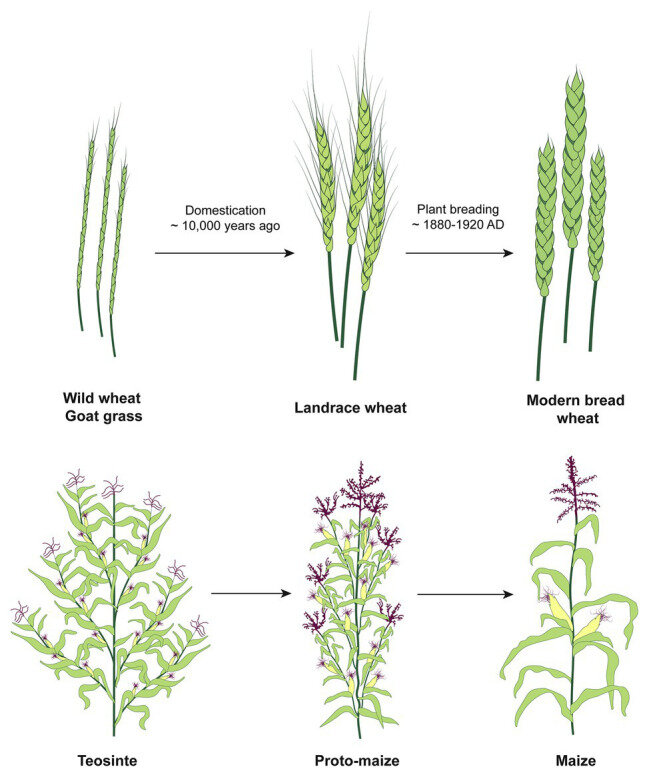
The revolution started with a simple, powerful idea: instead of searching for food, people could grow it themselves. Humans began to understand the life cycles of plants. They saved seeds from the hardiest, most productive plants—like wild wheat and barley—and planted them intentionally. Over generations, this selective process, known as domestication, created crops that were more nutritious and easier to harvest than their wild ancestors.
At the same time, people began taming animals. They captured wild goats, sheep, and cattle, breeding them for traits like docility and meat or milk production. Animals became more than just a source of food; they were a living resource that could provide labor, clothing, and other materials. This shift from hunting to herding provided a more stable and predictable food supply.
Putting Down Roots
Farming is not a mobile profession. Tending crops requires people to stay in one place. This need gave rise to the first permanent settlements. For the first time, humans started building sturdy homes intended to last for generations, grouped together in villages and, eventually, towns. Life was no longer about following the food; it was about creating a stable home base where food could be produced.
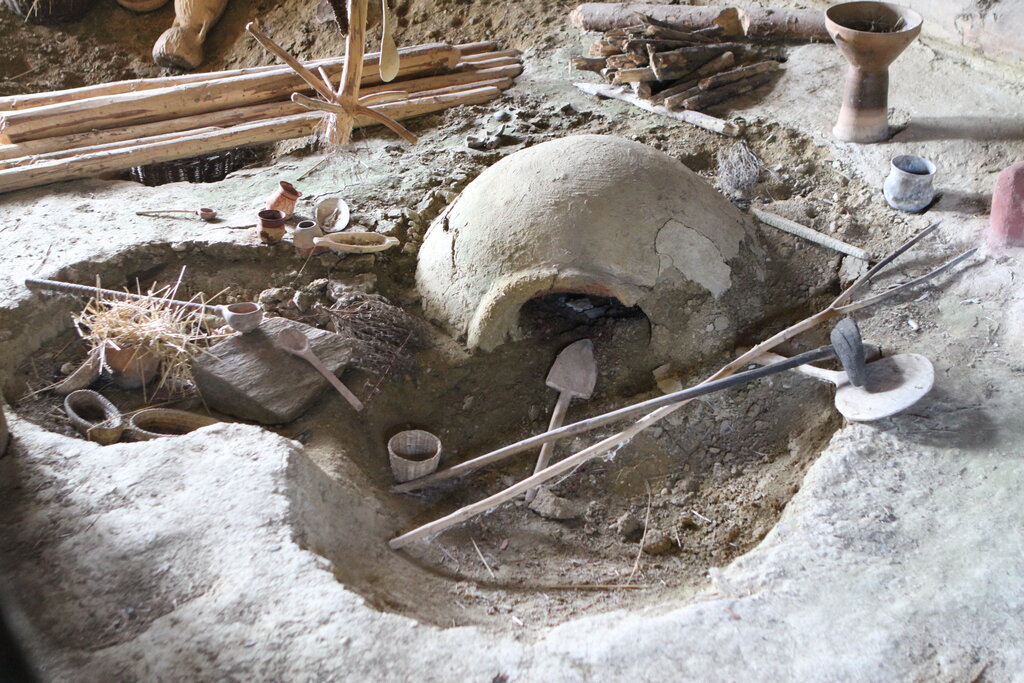
These new settlements created new kinds of work. People had to build and maintain houses, construct fences to protect livestock, and dig irrigation channels to water crops. One of the biggest challenges was figuring out how to store surplus grain to last through lean seasons. This need spurred innovation in storage techniques and pottery.
A New Division of Labor
Perhaps the most significant change brought on by agriculture was the creation of a food surplus. For the first time, a community could produce more food than it needed for immediate survival. This surplus was a game-changer because it meant not everyone had to be a farmer.
When you have more food than you can eat, some people are freed up to do other things. This is the foundation of economic specialization.
A new social structure began to form, based on a division of labor. While the majority of people still worked in agriculture, others could now specialize in different crafts. Potters created vessels to store food and water. Weavers used plant fibers and animal wool to make cloth. Toolmakers, or smiths, crafted stronger plows and sharper sickles. These artisans would trade their goods with farmers for food, creating the first simple economies.
| Role | Hunter-Gatherer Society | Early Agrarian Society |
|---|---|---|
| Food Production | All able-bodied members hunt or gather. | Primarily farmers and herders. |
| Crafts | Limited to portable tools (e.g., flintknapping). | Specialized artisans (potters, weavers, smiths). |
| Leadership | Informal, often based on skill or age. | Formalized roles (chiefs, priests) emerge. |
| Settlement | Nomadic, temporary shelters. | Sedentary, permanent villages. |
As settlements grew, so did the need for organization and leadership. Individuals who managed the community's food surplus or led religious rituals gained influence. This was the beginning of social hierarchy, where work was not just divided by task, but also by status. The Neolithic Revolution didn't just change how people worked; it laid the groundwork for civilization itself.