The Work of Agraj Garg
Introduction to Artificial Intelligence
What Is Artificial Intelligence?
Artificial intelligence, or AI, is the science of making machines smart. The goal is to build computer systems that can perform tasks that usually require human intelligence. This includes things like learning from experience, solving problems, understanding language, and recognizing objects.
Artificial Intelligence
noun
A field of computer science dedicated to creating systems capable of performing tasks that typically require human intelligence, such as visual perception, speech recognition, decision-making, and translation between languages.
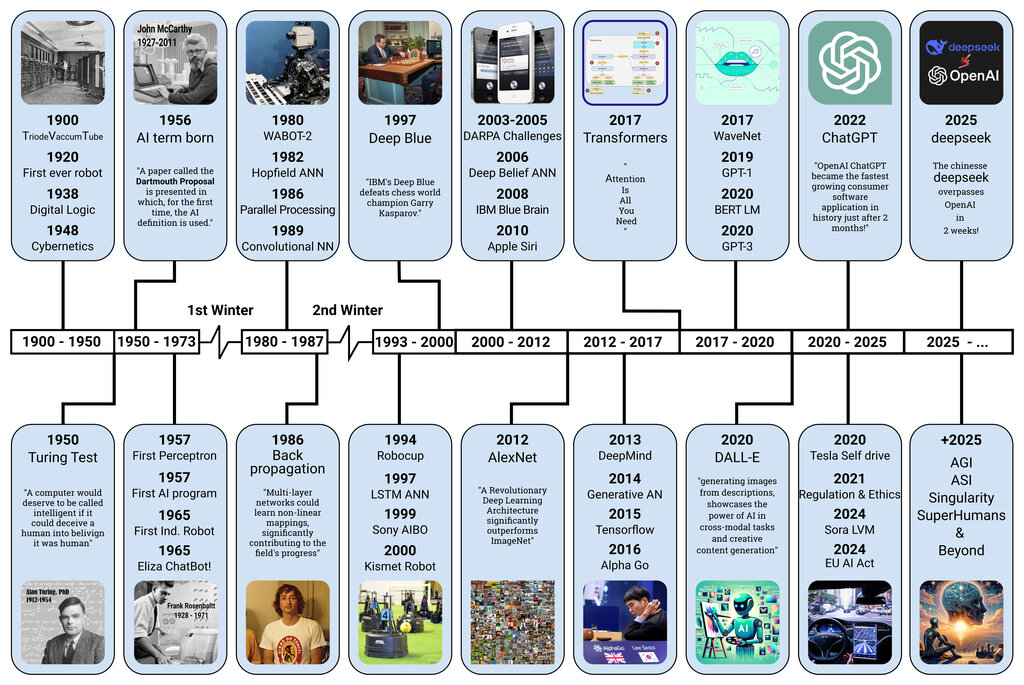
The idea isn't new. Philosophers have wondered about machine intelligence for centuries. But the field of AI officially kicked off in the 1950s. A small group of scientists gathered at Dartmouth College and coined the term "artificial intelligence." They imagined a future where machines could think.
Since then, AI has gone through periods of exciting progress and frustrating setbacks, often called "AI winters." Today, thanks to powerful computers and massive amounts of data, AI is more capable and widespread than ever.
The Branches of AI
AI is a broad field, like a giant tree with many branches. Each branch is a specialized area of research. While there are many, three major branches stand out: machine learning, natural language processing, and computer vision.
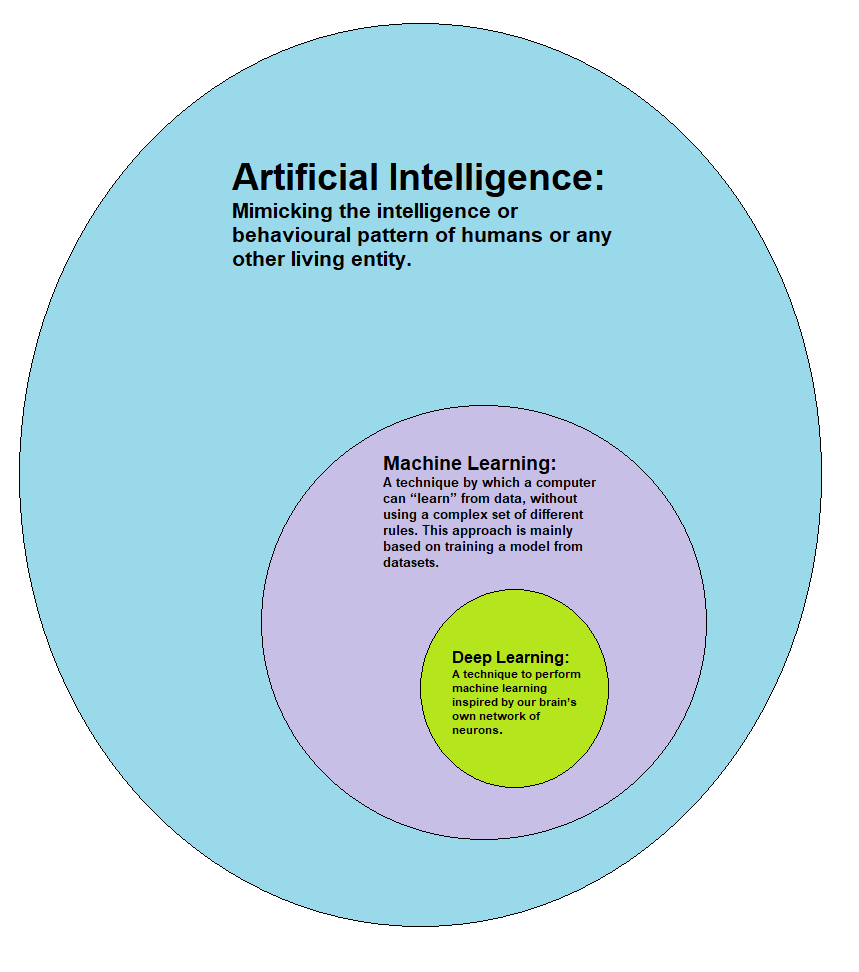
Machine Learning (ML) is the most common type of AI today. Instead of programming a computer with explicit rules for a task, you give it lots of examples. The computer then learns to recognize patterns in the data and make predictions on its own. It's how your email service learns to spot spam or how a streaming service recommends shows you might like.
Machine learning is about teaching computers to learn from data, rather than being explicitly programmed for every task.
Natural Language Processing (NLP) focuses on the interaction between computers and human language. This branch of AI gives machines the ability to read, understand, and generate human language. When you talk to a virtual assistant like Siri or use an online translation tool, you're using NLP.
Hello, world
Computer Vision aims to give computers the ability to "see." It involves training machines to interpret and understand the visual world. Using digital images from cameras and videos, computers can identify and classify objects. This is the technology behind facial recognition on your phone, self-driving cars navigating roads, and apps that can identify a plant from a picture.
AI in the Real World
AI is no longer just a concept from science fiction; it's a part of our daily lives and a powerful tool across many industries.
In healthcare, AI helps doctors analyze medical images like X-rays and MRIs to detect diseases like cancer earlier and more accurately. It can also predict which patients are at higher risk for certain conditions, allowing for preventative care.
In finance, AI algorithms work around the clock to detect fraudulent credit card transactions, often stopping them in real-time. Banks also use AI to assess loan risk and automate trading.
In entertainment, AI powers the recommendation engines that suggest movies, music, and articles tailored to your tastes. It's constantly learning from what you watch, listen to, and read to make better suggestions.
And in transportation, AI is the brain behind self-driving cars, which use computer vision and machine learning to navigate complex traffic situations. It's also used to optimize traffic flow in cities, reducing congestion and travel time.
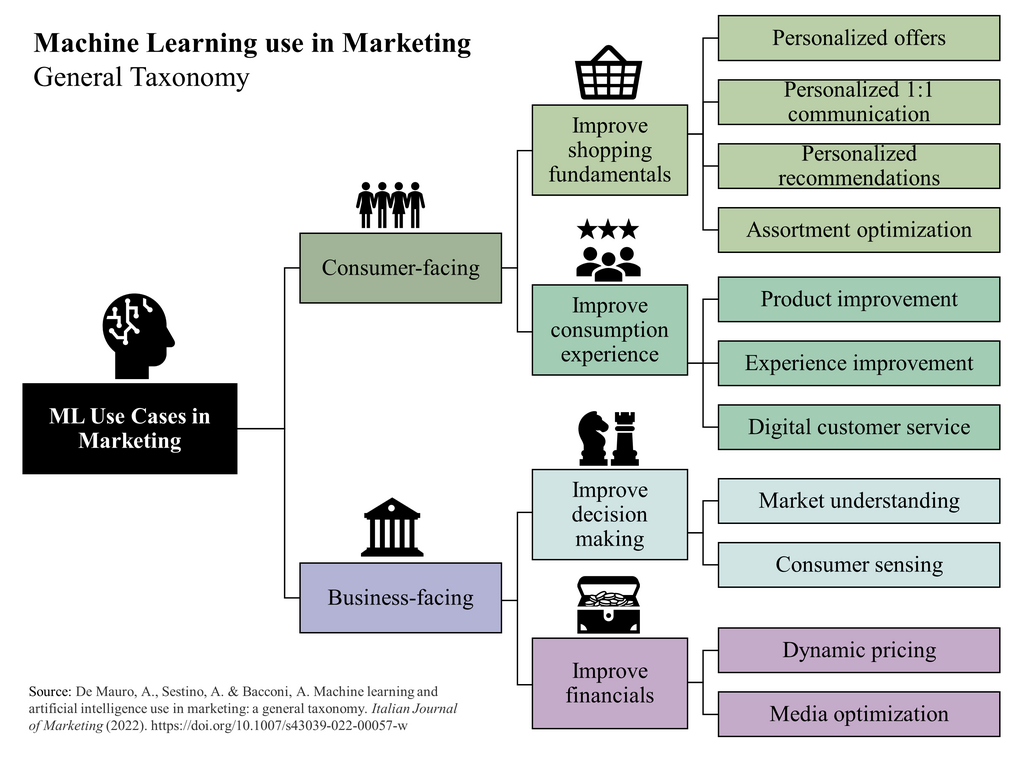
These are just a few examples. From agriculture to manufacturing to customer service, AI is changing how we work and live by automating tasks, analyzing complex data, and providing new insights.
Ready to check your understanding?
What is the primary goal of artificial intelligence?
The technology that allows your phone to recognize your face or an app to identify a plant from a picture is a direct application of which AI branch?
AI is a vast and rapidly evolving field. Understanding its core concepts is the first step toward appreciating its power and potential.