The Wonders of the Human Ear
Introduction to Ear Anatomy
The Ear's Three Sections
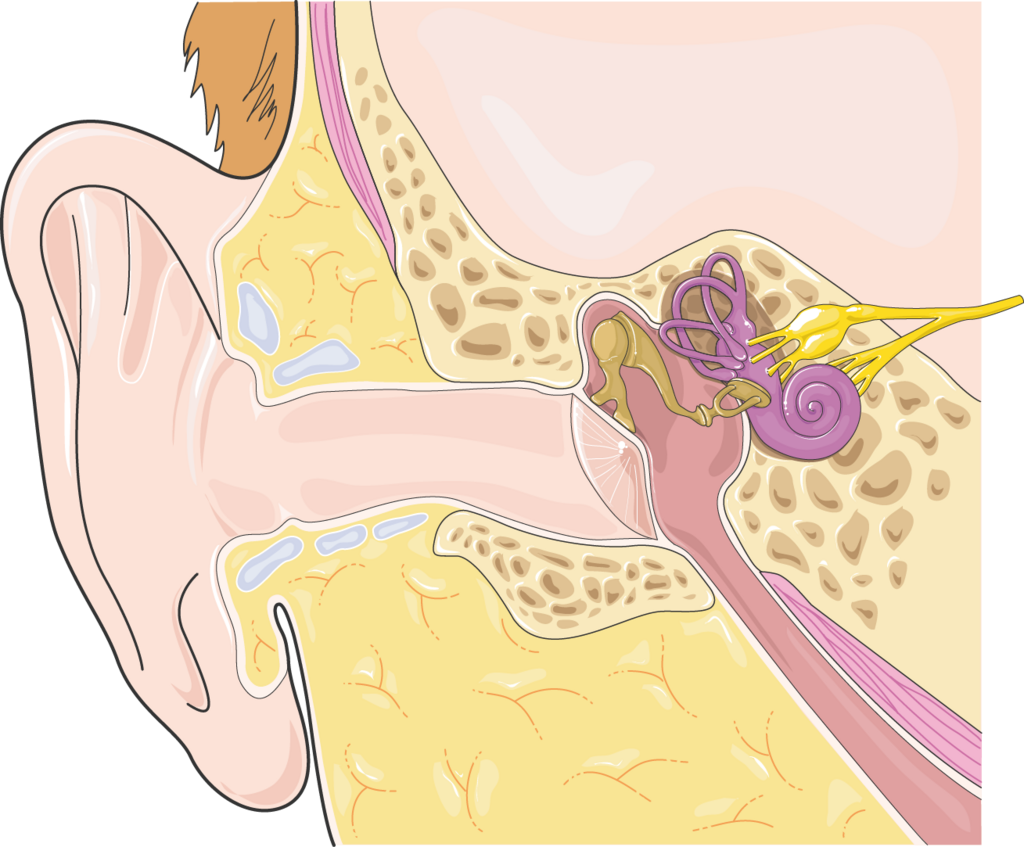
Your ear is more than just the part you can see. It's a complex system designed for two critical jobs: hearing and maintaining your sense of balance. To understand how it works, we can divide the ear into three distinct regions.
The ear is a highly specialised sensory organ for hearing and balance, divided into three parts: the outer ear, middle ear, and inner ear.
Each section has a unique role in the journey of a sound wave from the outside world to your brain.
The Outer Ear
The outer ear is the most visible part of the system. It consists of the fleshy part on the side of your head, called the auricle or pinna, and the ear canal.
The main function of the outer ear is to act like a funnel. It gathers sound waves from the environment and directs them down the ear canal toward the eardrum. The shape of the auricle helps determine the direction a sound is coming from.
The Middle Ear
At the end of the ear canal is the eardrum, a thin membrane that marks the boundary of the middle ear. The middle ear is a small, air-filled chamber that houses three of the tiniest bones in the human body.
When sound waves from the outer ear strike the eardrum, they cause it to vibrate. The middle ear's job is to take these vibrations and amplify them. The tiny bones act as a lever system, transferring the vibrations from the eardrum to the inner ear. This process converts the energy of airborne sound waves into mechanical vibrations.
The Inner Ear
The inner ear is the final and most complex section. It's a maze of fluid-filled tubes and sacs deep within the skull. This is where the real magic of hearing and balance happens.
The inner ear has two primary responsibilities. First, it takes the mechanical vibrations from the middle ear and translates them into nerve signals that the brain can interpret as sound. This happens in a snail-shaped structure called the cochlea.
Second, the inner ear is home to the vestibular system, which is responsible for our sense of balance. It detects changes in our head's position and movement, sending signals to the brain that help us stay upright and oriented.
| Section | Main Components | Primary Function |
|---|---|---|
| Outer Ear | Auricle (Pinna), Ear Canal | Gathers sound and funnels it to the eardrum. |
| Middle Ear | Eardrum, Three Tiny Bones (Ossicles) | Converts sound waves into mechanical vibrations. |
| Inner Ear | Cochlea, Vestibular System | Translates vibrations to nerve signals, manages balance. |
These three sections work together seamlessly, allowing you to navigate the world through sound and stay balanced on your feet.