The Wonders of Pollination
Introduction to Pollination
What Is Pollination?
Pollination is the very first step in how most flowering plants reproduce. Think of it as a delivery service. A plant needs to move tiny grains of pollen from its male part to its female part to create a seed. Without this transfer, the plant can't make the next generation.
The goal of every living thing is to create offspring for the next generation. For plants, this process starts with pollination.
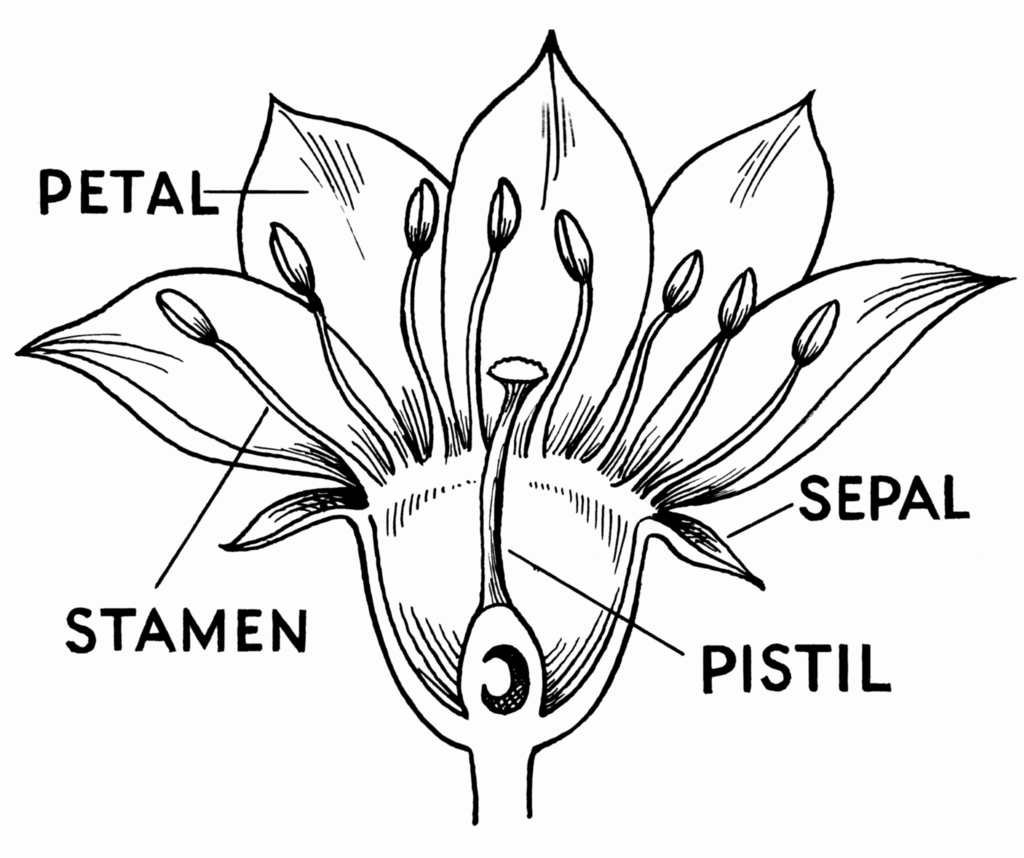
To understand how it works, let's look at the basic parts of a flower. The male part, called the stamen, has a component known as the anther, which produces pollen. The female part, called the pistil, has a sticky tip called the stigma. Pollination is simply the act of moving pollen from an anther to a stigma.
From Pollen to Seed
Once a pollen grain lands on a receptive stigma, the next stage begins: fertilization. The pollen grain grows a tiny tube down into the flower's ovary, where the ovules (eggs) are stored. Genetic material from the pollen travels down this tube and fuses with an ovule. This combination of genetic material is what creates a seed. That seed contains a tiny, dormant plant, or embryo, with all the instructions it needs to grow into a new plant.
Flowers are the reproductive part of most plants. Flowers contain pollen and tiny eggs called ovules. After pollination of the flower and fertilization of the ovule, the ovule develops into a fruit.
The seed is often wrapped in a protective package we know as a fruit. An apple, for instance, is the fleshy ovary of an apple blossom, with seeds inside.
Why It Matters to Us
Pollination isn't just important for plants; it's essential for entire ecosystems. By allowing plants to reproduce, pollination supports biodiversity. Healthy, diverse plant communities provide food and shelter for countless animals, from insects to birds to mammals. A forest or meadow teeming with different types of flowers is a sign of a healthy, well-pollinated environment.
This process also has a direct impact on our food supply. A huge number of the crops we rely on for food require pollination to produce fruit, vegetables, nuts, and seeds. Without it, our diets would be much less varied and nutritious.
| Crop Dependency | Yield Reduction w/o Pollinators | Examples |
|---|---|---|
| Essential | >90% | Cocoa beans, Brazil nuts, Kiwifruit |
| High | 40-90% | Apples, Avocados, Blueberries |
| Modest | 10-40% | Coffee beans, Soybeans, Canola |
| Little | 0-10% | Oranges, Peaches, Cotton |
| No Dependency | 0% | Grains (wheat, rice), Roots (carrots) |
The table shows just how much we depend on this simple transfer of pollen. From your morning coffee to the almonds in your snack, pollination plays a quiet but critical role in putting food on your table.
Now, let's test your understanding of these core concepts.
What is the primary goal of pollination?
The sticky tip of the female part of a flower, designed to catch pollen, is called the ____.
Understanding pollination is the first step to appreciating the intricate connections that support life on our planet.