The Wonders of Ice
Ice Basics
The Solid State of Water
At its core, ice is simply the solid state of water. This transformation happens when liquid water cools to its freezing point, which is 0° Celsius (32° Fahrenheit) at standard atmospheric pressure. As water molecules lose energy, they slow down and begin to arrange themselves into a fixed, ordered structure. This process is called crystallization.
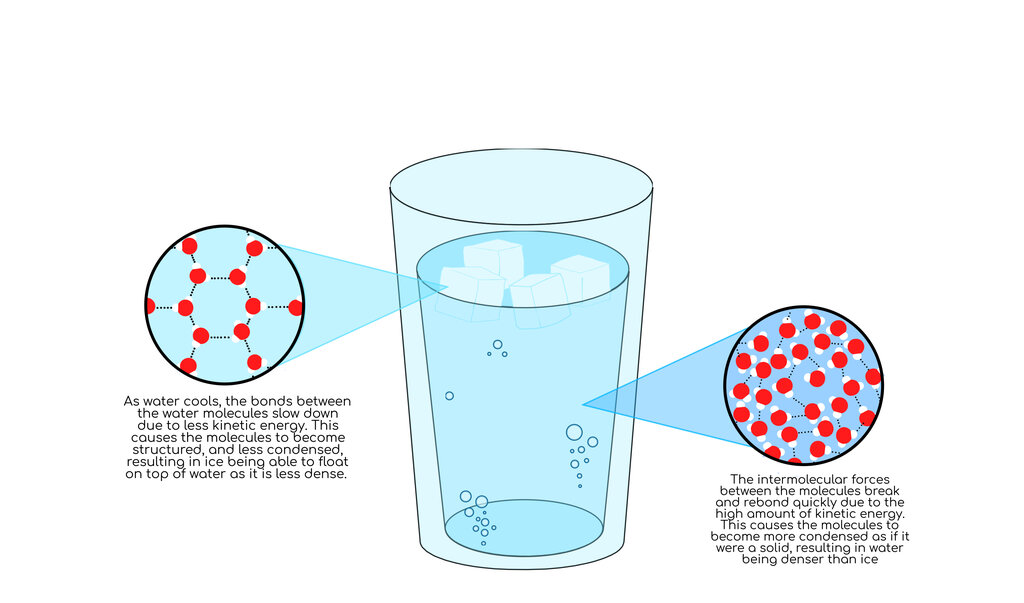
The way these molecules lock together is very specific. Under the conditions we typically experience on Earth's surface, they form a hexagonal, or six-sided, crystal lattice. This is why snowflakes, which are collections of ice crystals, almost always have six sides or points.
This common form of ice is known to scientists as Ice Ih, with the 'h' standing for hexagonal.
Pressure Makes a Difference
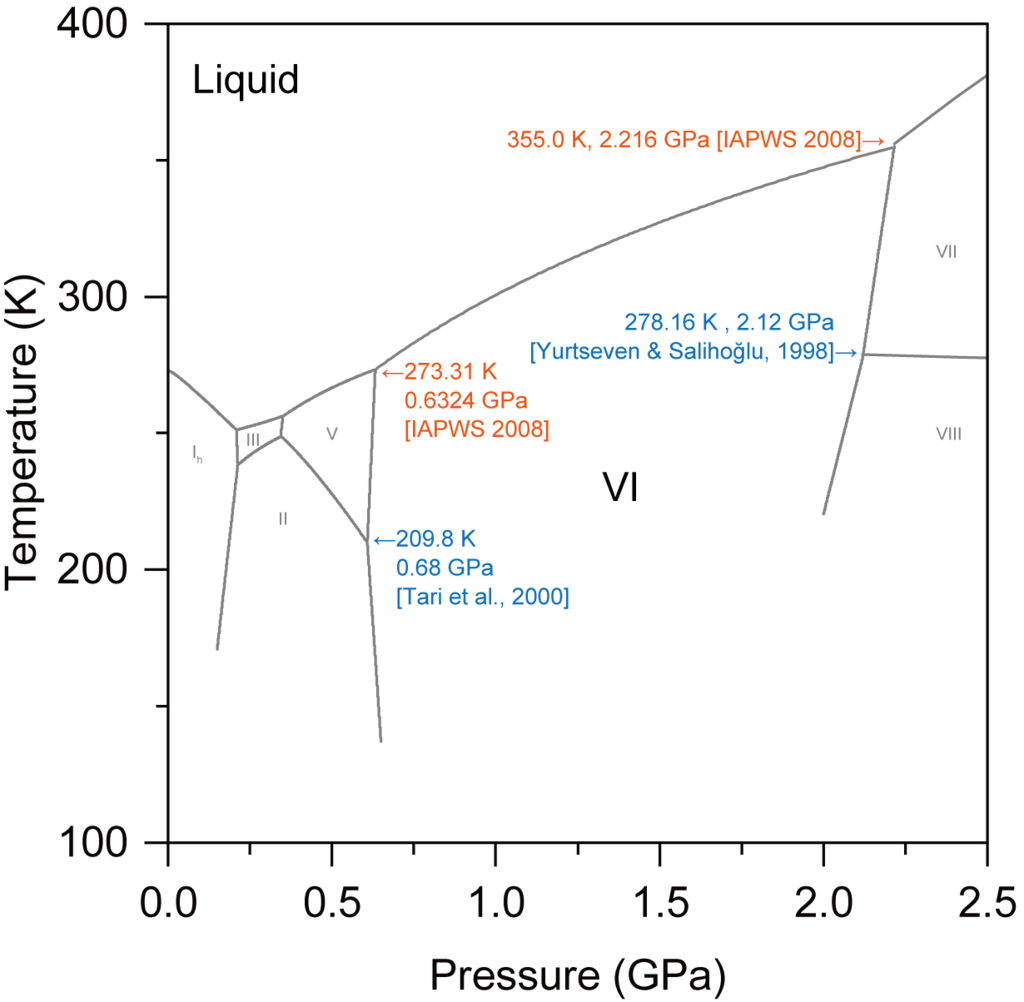
While temperature is the primary factor in ice formation, pressure plays a crucial role too. Under extremely high pressures, water molecules are forced to pack together in different, more compact arrangements. This results in the formation of different types of ice, known as polymorphs. Scientists have identified at least 20 different solid phases of water!
These exotic forms of ice, like Ice II or Ice VII, don't exist naturally on Earth's surface. They are found in labs or are thought to exist deep inside icy moons and planets where gravitational pressures are immense. For our purposes, Ice Ih is the only kind that matters for everyday life.
Ice Across the Universe
On Earth, ice is a defining feature of our planet's cryosphere, which includes all the areas where water is in its solid form. You can find massive ice sheets covering Greenland and Antarctica, mountain glaciers, sea ice floating on polar oceans, and seasonal snow and frost.
But Earth isn't the only icy world. Ice is incredibly common throughout the solar system and beyond.
| Location | Form of Ice |
|---|---|
| Mars | Polar ice caps, subsurface ice |
| Jupiter's Moon Europa | Global ocean covered by a thick ice shell |
| Saturn's Moon Enceladus | Geysers of water ice erupting into space |
| Comets | Often called "dirty snowballs" of ice and rock |
| Planetary Rings (e.g., Saturn) | Primarily composed of countless particles of water ice |
The ice found in these places isn't always just frozen water. Other substances can also freeze into different kinds of ice. For example, the polar caps of Mars contain both water ice and frozen carbon dioxide, also known as dry ice.
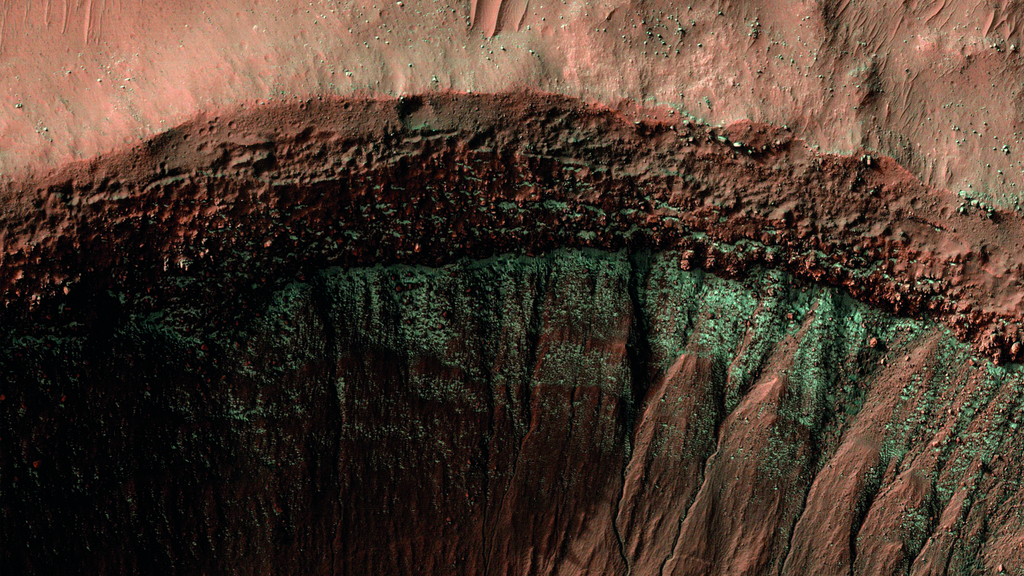
From the familiar cube in your drink to the vast, frozen landscapes of distant moons, ice is a fundamental substance that shapes worlds.
Time to check your understanding of these core concepts.
At standard atmospheric pressure, the process by which slowing water molecules arrange themselves into a fixed, hexagonal lattice is called:
The common six-sided shape of a snowflake is a macroscopic reflection of what?
Now that you've got the basics down, you're ready to explore the unique properties of ice.