The Wonderful World of Plant Parts
Roots
The Hidden Half
Below the ground, a plant's story begins with its roots. This sprawling, hidden network is far more than just a tether to the earth. Roots are the plant's foundation, its lifeline, and its pantry, all rolled into one.
Roots are the part of the plant that are normally found under the soil.
Roots have three primary jobs. First, they anchor the plant, holding it firmly in place against wind and rain. Second, they absorb the water and nutrients from the soil that are essential for survival. Third, they act as storage organs, saving up energy for later use.

Anchors and Straws
Imagine a tall tree swaying in a storm. What keeps it from toppling over? Its massive, woody roots, which spread deep and wide, gripping the soil like thousands of tiny hands. This anchoring function is crucial for plants of all sizes, providing the stability they need to grow upwards towards the light.
Just as important is the job of absorption. Roots act like complex straws, pulling water and dissolved minerals from the soil. This task is made possible by millions of microscopic extensions called root hairs. These tiny hairs dramatically increase the root's surface area, allowing it to soak up moisture and nutrients with incredible efficiency.
absorption
noun
The process by which one thing takes in another, such as roots taking in water from the soil.
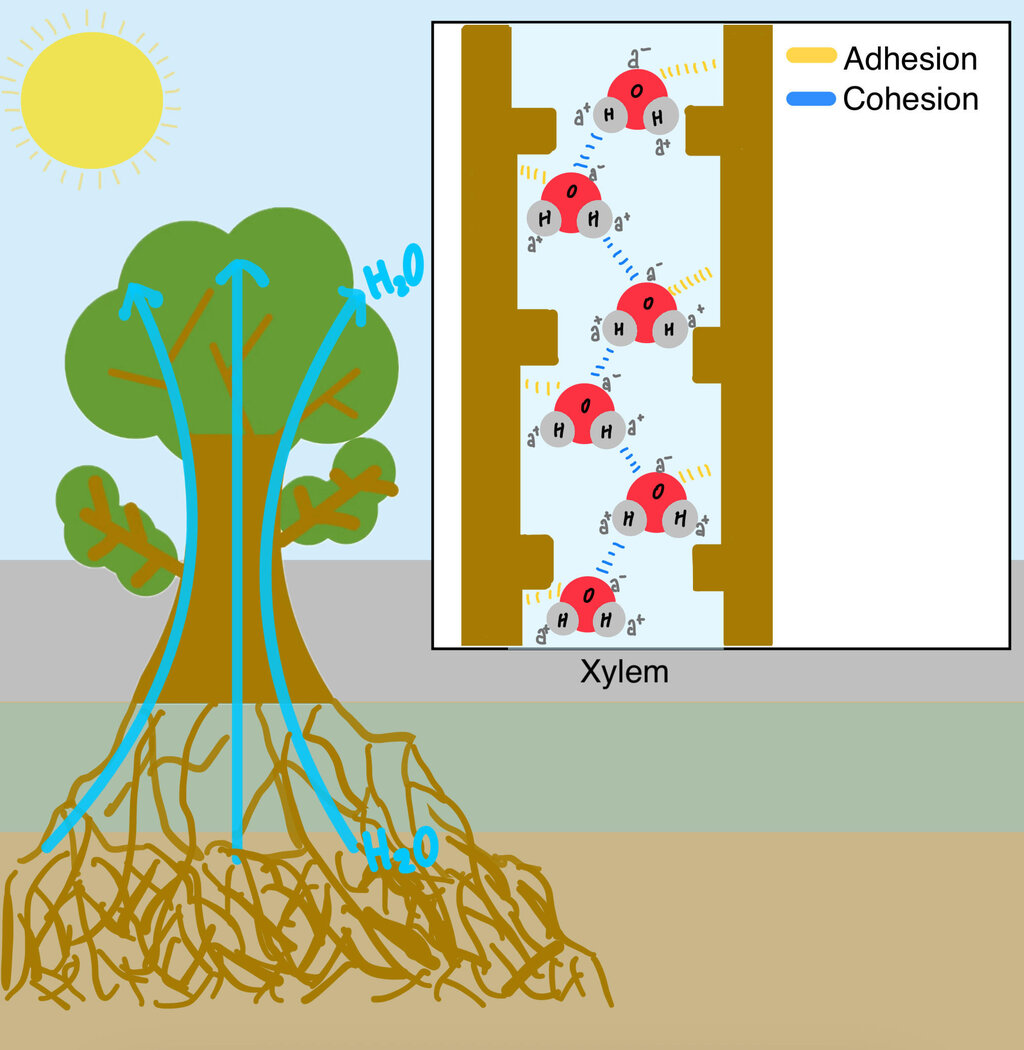
Once absorbed, the water and nutrients are transported up through the stem to the rest of the plant. This upward movement is a marvel of natural engineering, driven by physical forces that allow water to defy gravity.
Two Main Designs
Not all root systems are built the same way. Most plants feature one of two main designs: a taproot system or a fibrous root system.
A taproot system is dominated by one large, central root that grows straight down. Smaller, lateral roots branch off from this main taproot. Carrots, radishes, and dandelions are classic examples. This design is great for reaching water deep in the ground and for storing large amounts of food.
A fibrous root system is made up of a dense mat of many thin, branching roots. These roots spread out close to the surface of the soil. Grasses, corn, and onions have fibrous roots. This system is excellent for preventing soil erosion and for quickly absorbing surface water from rainfall.
Life in the Soil
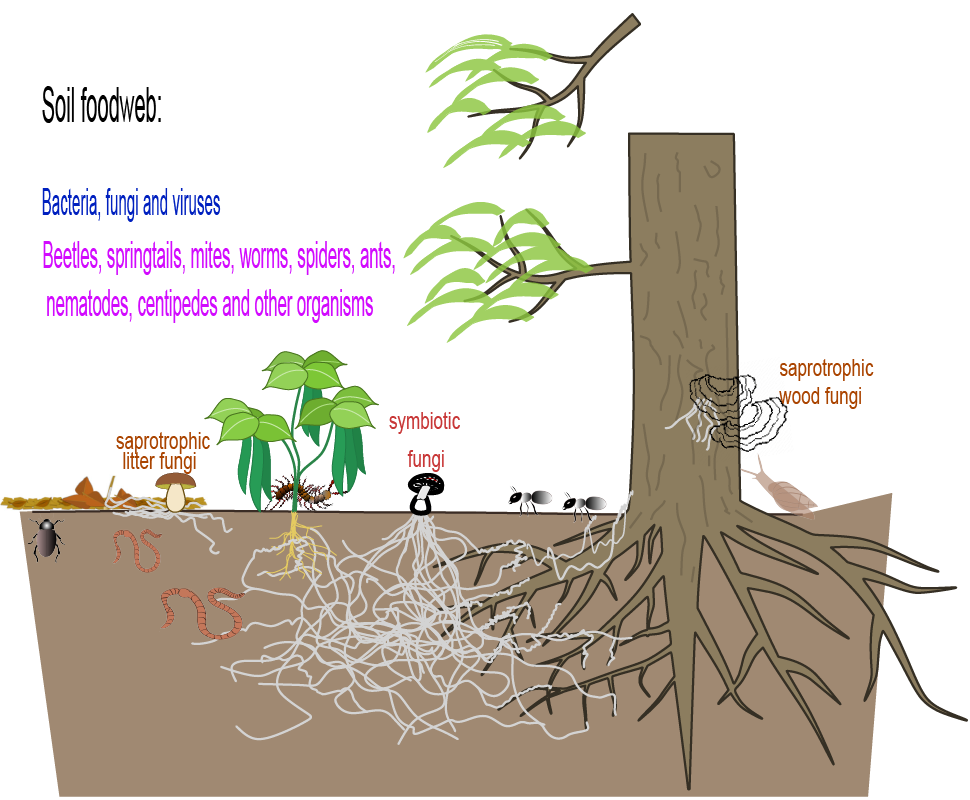
Roots don't just grow through the soil; they actively interact with it, creating a rich and dynamic environment called the rhizosphere right around them. Plants release sugars and other compounds from their roots, a process called rhizodeposition. This feeds a bustling community of bacteria, fungi, and other microorganisms.
This relationship is often mutually beneficial. The microbes get a steady food source, and in return, they help the plant. They can break down complex soil components into simple nutrients the plant can absorb, protect the plant from diseases, and even improve the soil's structure.
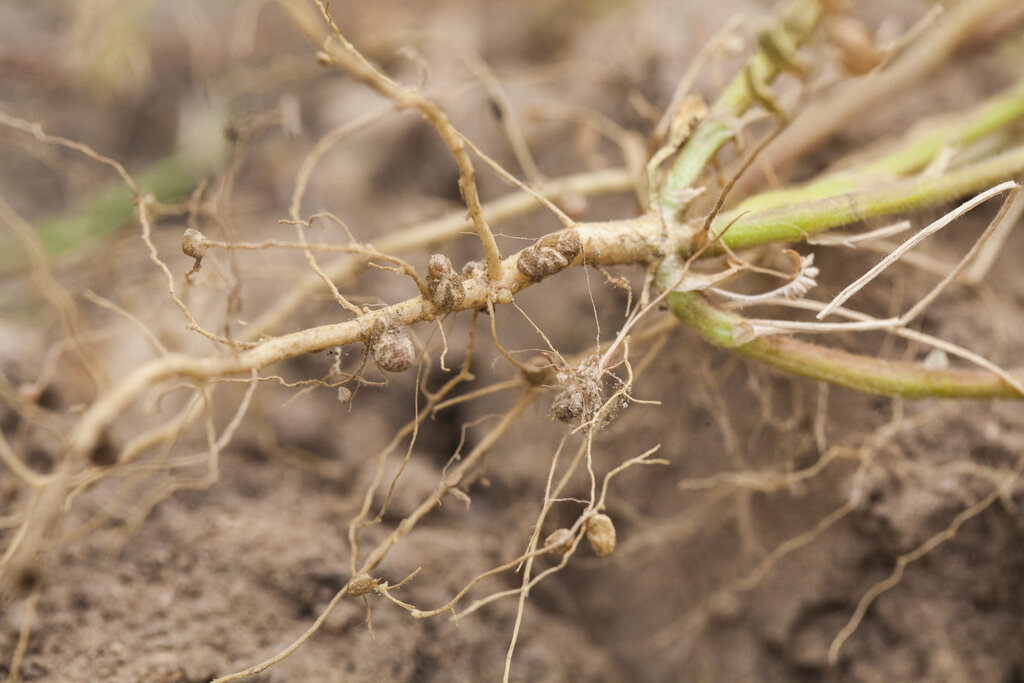
A famous example of this teamwork is the relationship between legumes (like peas and beans) and Rhizobium bacteria. The bacteria live in special nodules on the plant's roots and convert nitrogen from the air into a form the plant can use, providing a built-in fertilizer.
By anchoring the soil and fostering a healthy microbial ecosystem, roots play a vital role in maintaining soil health and preventing erosion. They are truly the unsung heroes of the plant world.
Time to check your understanding of the hidden world beneath the soil.
What are the three primary functions of a plant's root system?
A plant like a carrot or a dandelion has one large, central root that grows straight down. What is this type of root system called?
Understanding a plant's roots is the first step to understanding the plant as a whole. They provide the stability, water, and nutrients that make all the growth we see above ground possible.