The Wonderful World of Pasta
Origins of Pasta
The Oldest Noodles
The story of pasta doesn't start in Italy. It begins much earlier and far to the east. For years, historians debated where the first noodles were made. Then, in 2002, archaeologists made a stunning discovery in northwestern China at a site called Lajia.

They unearthed an overturned clay bowl. Trapped inside was a perfectly preserved tangle of long, thin yellow noodles. These weren't made from wheat, the grain we commonly associate with pasta today. Instead, they were crafted from two types of millet, a grain that was domesticated in China about 7,000 years ago.
The noodles were 4,000 years old, making them the oldest ever found. This discovery provided concrete proof that noodle-making traditions have a deep and ancient history in Asia.
pulled noodles
The Lajia noodles were likely made by pulling and stretching the dough into long strands, a technique still used to make lāmiàn today.
Parallel Paths
While China holds the record for the oldest noodles, similar foods were emerging independently in other parts of the world. The basic idea of mixing flour and water to create a durable, storable food is a simple and powerful one. Different cultures arrived at this solution using the ingredients they had on hand.
Pasta wasn't a single invention that spread across the globe. It was a concept that multiple civilizations discovered on their own.
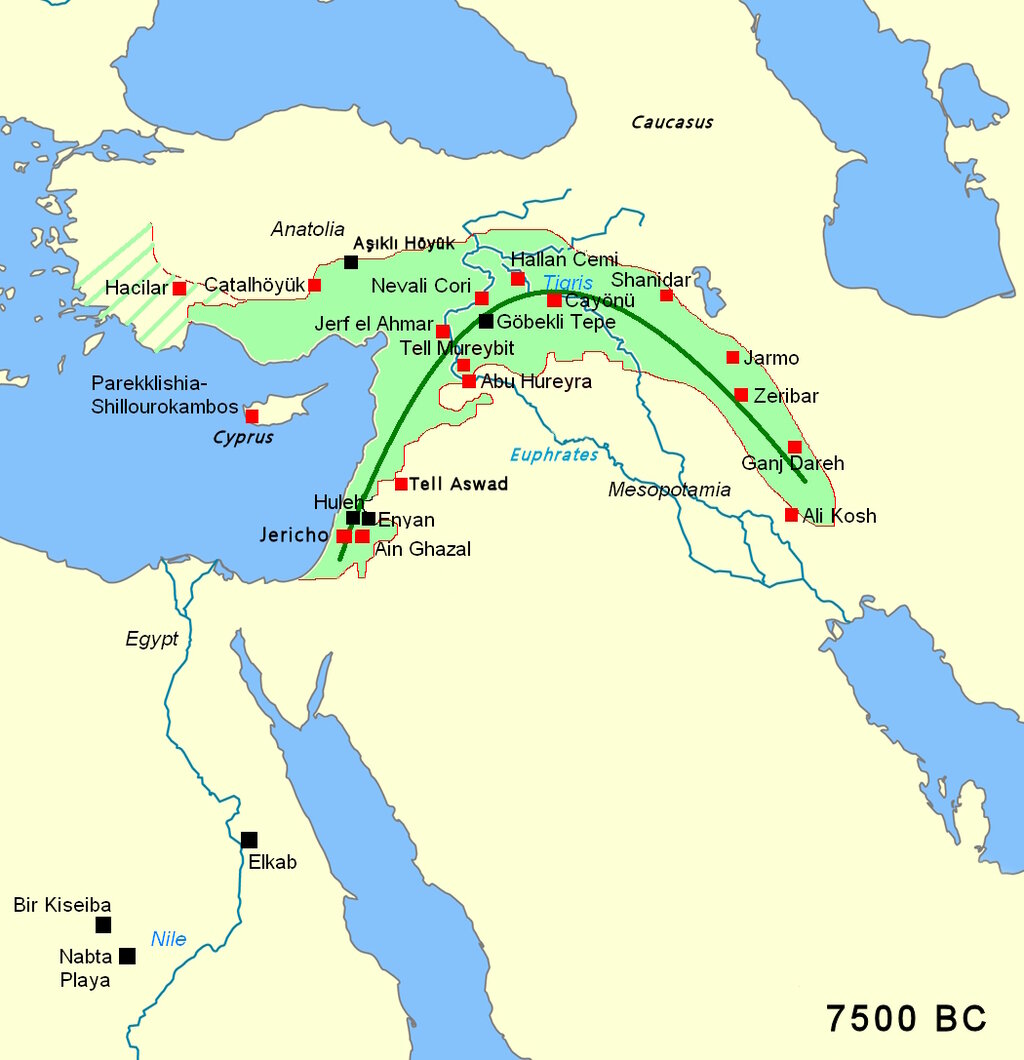
In the Middle East and the Mediterranean, ancient civilizations were working with wheat. Archaeological evidence suggests that people in the Fertile Crescent were making primitive forms of flatbread and porridge from ground grains for thousands of years. The leap from a simple paste to a food that could be dried and boiled wasn't a huge one.
Ancient Greeks had a word, laganon, for a thin sheet of dough made from flour and water that was fried or baked. While not boiled like modern pasta, it shows that the basic components were in place. The Romans had similar dishes, often layering these sheets with other ingredients, in a style reminiscent of an early lasagna.
These early forms weren't exactly spaghetti, but they were part of the same culinary family: simple, versatile foods made from grain and water.
A Universal Staple
From the millet noodles of ancient China to the wheat-based sheets of the Mediterranean, the story of early pasta is a story of human ingenuity. It shows how different peoples, separated by thousands of miles, used their local grains to solve a fundamental need: creating a calorie-dense, long-lasting food source.
staple
noun
A main or important element of something, especially of a diet.
This wasn't a single invention, but a shared idea that sprouted in different soils. Each culture developed its own version based on the crops that thrived in its climate, laying the groundwork for the countless pasta shapes and dishes that would evolve later on.
Let's check your understanding of pasta's early history.