The Wonderful World of Dogs
Dog Evolution
From Wolf to Woof
Every dog, from a tiny chihuahua to a massive Great Dane, shares a common ancestor: the gray wolf. For a long time, scientists thought humans actively captured and tamed wolf pups. The more likely story is a bit different. It probably began with wolves that were less fearful of humans.
Dogs were the first animals definitively domesticated by humans.
Tens of thousands of years ago, hunter-gatherer camps were a source of leftover food. Bolder wolves might have approached these camps to scavenge. Over generations, the wolves that were most tolerant of humans had a survival advantage in this new niche. They got more food and were more likely to pass on their genes. This process, where a species adapts to a human-created environment without direct human selection, is sometimes called self-domestication.
The Domestication Pathway
As these proto-dogs became more comfortable around people, humans began to play a more active role. They would have favored animals that were useful or friendly. This wasn't a formal breeding program, but a gradual process of artificial selection. A less aggressive animal was safer to have around. A good hunter was a valuable partner. This partnership started to change the canids on a fundamental, genetic level.
The key change was a reduction in the "fight or flight" response. Animals less prone to stress and fear were better suited to life alongside humans.
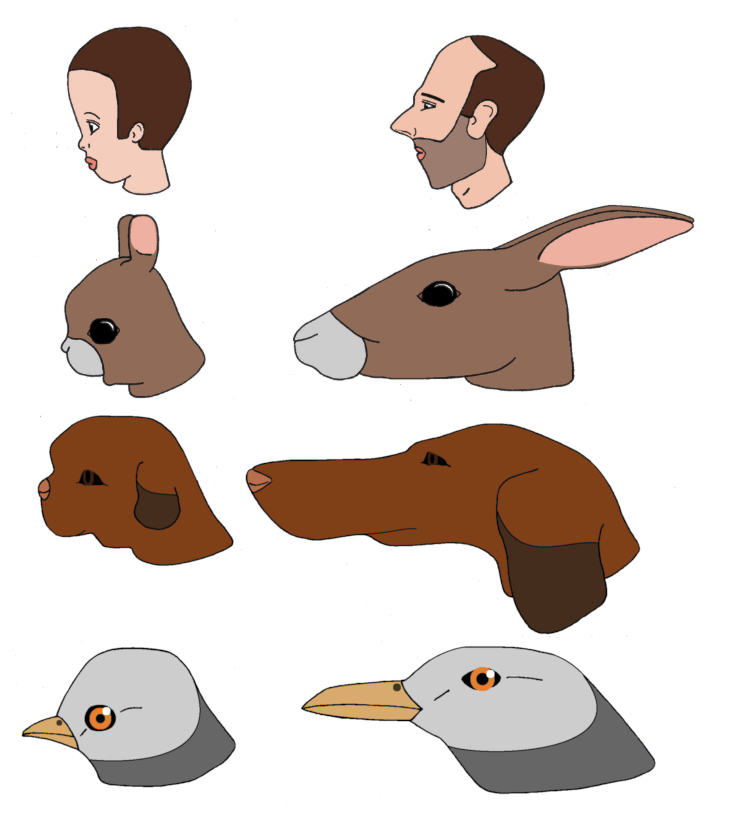
This selection for tameness had surprising side effects. Many physical traits associated with domestication, like floppy ears, shorter snouts, and spotted coats, are linked to the same genes that control adrenaline and fear responses. This phenomenon is known as domestication syndrome. Essentially, by selecting for one trait (tameness), humans inadvertently selected for a whole suite of other juvenile-like characteristics.
When and Where
Pinpointing the exact time and place of dog domestication is a puzzle scientists are still solving. Genetic studies of both modern and ancient dogs and wolves suggest the initial split happened between 27,000 and 40,000 years ago. However, the first undisputed archaeological evidence for a domesticated dog is a jawbone found in Germany, dating to about 14,700 years ago. This gap suggests a long, slow period of divergence before dogs were clearly distinct from wolves.
As for where this happened, the evidence is also complex. Some genetic data points to a single origin, possibly in East Asia or Siberia. Other findings suggest dogs may have been domesticated independently in both Europe and Asia from different wolf populations, and that these early dog populations later mixed. The story is not one of a single event, but a widespread, evolving relationship between two species.

This journey from an ancient wolf to the dogs we know today is a powerful example of coevolution. It was a two-way street that profoundly changed both canid and human history.