The Wonderful World of Cheese
Origins of Cheese
An Accidental Discovery
Cheese wasn't invented on purpose. It was most likely an accident. Thousands of years ago, people began domesticating animals like sheep and goats. They found a new source of nutrition: milk. But fresh milk spoils quickly, especially in warm climates. Storing it was a major challenge.
Early humans often used animal stomachs as containers for food and water. An enzyme called rennet, naturally present in the stomachs of young ruminant animals, causes milk to curdle and separate into solid curds and liquid whey. Imagine a traveler pouring milk into a pouch made from a calf's stomach and setting off on a journey. The combination of the rennet, the sun's warmth, and the sloshing motion would have turned the milk into a primitive form of cheese.
This accidental process not only preserved the milk's valuable fats and proteins but also created a new, digestible food. Many early humans were lactose intolerant, but the cheesemaking process breaks down much of the lactose.
Archaeologists have found compelling evidence of this ancient practice. In Poland, pottery shards dating back 7,200 years have holes in them, just like modern cheese strainers. Chemical analysis of these artifacts revealed milk fat residue, suggesting they were used to separate whey from curds. Similar finds in Croatia point to a widespread tradition of cheesemaking in Neolithic Europe.
Spreading Through Cultures
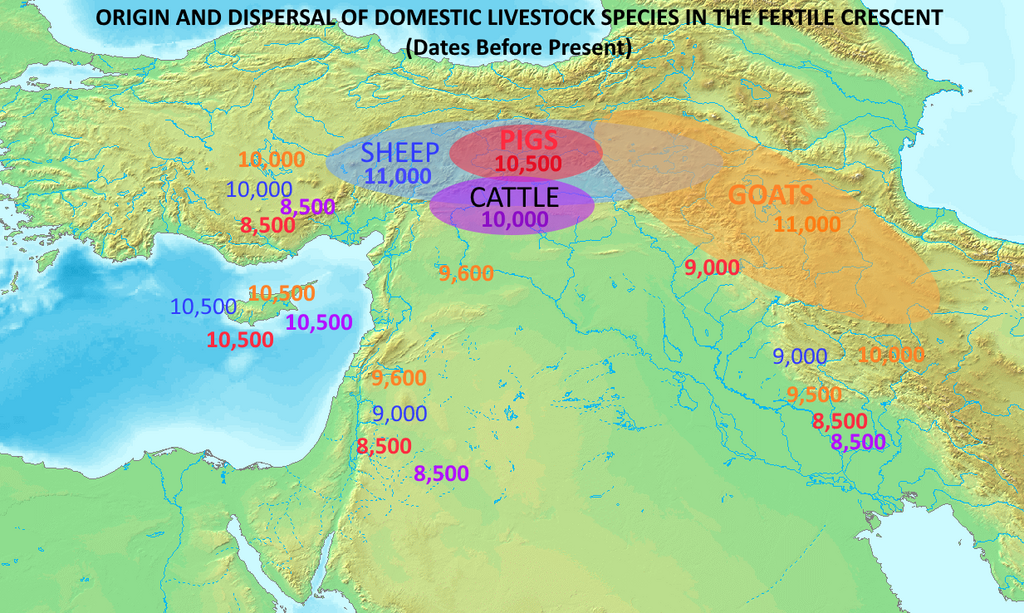
As farming and animal husbandry spread from the Fertile Crescent into Europe, so did the knowledge of cheesemaking. It became a staple food for ancient civilizations, including the Egyptians, Greeks, and Romans. Each culture adapted the process to its own environment and tastes.
The Romans, in particular, were master cheesemakers. They elevated it from a simple food of preservation into a culinary art. They developed various techniques, including pressing, aging, and adding different flavorings. Roman soldiers carried hard, aged cheeses on their long campaigns, as it was a durable and portable source of nutrition. As the Roman Empire expanded, it introduced these advanced cheesemaking methods to the lands it conquered, from Britain to the Balkans.
The more I think about this the odder it becomes: making hard, mature cheese (an excellent way of preserving the protein in milk for the long term) is an incredibly ancient human discovery, but seems to have passed Poland by or been forgotten.
Geography Shapes Flavor
The incredible diversity of cheese we see today is a direct result of geography and climate. The type of animal providing the milk—cow, goat, sheep, or even buffalo—is the first major variable. The specific breeds of these animals and what they eat also make a big difference.
terroir
noun
The environmental factors, such as soil and climate, that affect a crop's qualities. In cheesemaking, this extends to the unique local environment that influences the milk's flavor.
Local climate also played a huge role. In cool, damp regions like Northern France or England, soft, mold-ripened cheeses could thrive. The specific molds and bacteria native to the caves and cellars of a region imparted unique flavors and textures. Think of the blue veins in Roquefort, which comes from a mold found in the caves of Roquefort-sur-Soulzon.
In warmer, drier climates like those in Italy and Greece, hard, aged cheeses became more common. These cheeses, with lower moisture and higher salt content, were better suited for long-term storage without refrigeration. This is how varieties like Parmesan and Pecorino developed. Over centuries, these regional specialties were perfected, creating the rich tapestry of cheeses we enjoy today.
Ready to test what you've learned about the ancient history of cheese?
What key combination of factors most likely led to the accidental invention of cheese?
What is the name of the natural enzyme found in the stomachs of young ruminant animals that is essential for curdling milk?