The Wild West of Medicine Snake Oil and Patent Cures
Origins of Patent Medicines
A Remedy for Everything
In the 18th century, if you felt a cold coming on or a pain in your joints, a trained physician wasn't always an option. They were scarce, expensive, and their methods could be harsh. Many people turned to remedies they could buy themselves, often from a local printer, postmaster, or general store.
This created a booming market for what became known as “patent medicines.” These concoctions, often with dramatic names and even more dramatic claims, promised to cure everything from coughs to consumption. They first gained popularity in England, where the government granted “letters patent” to their creators.
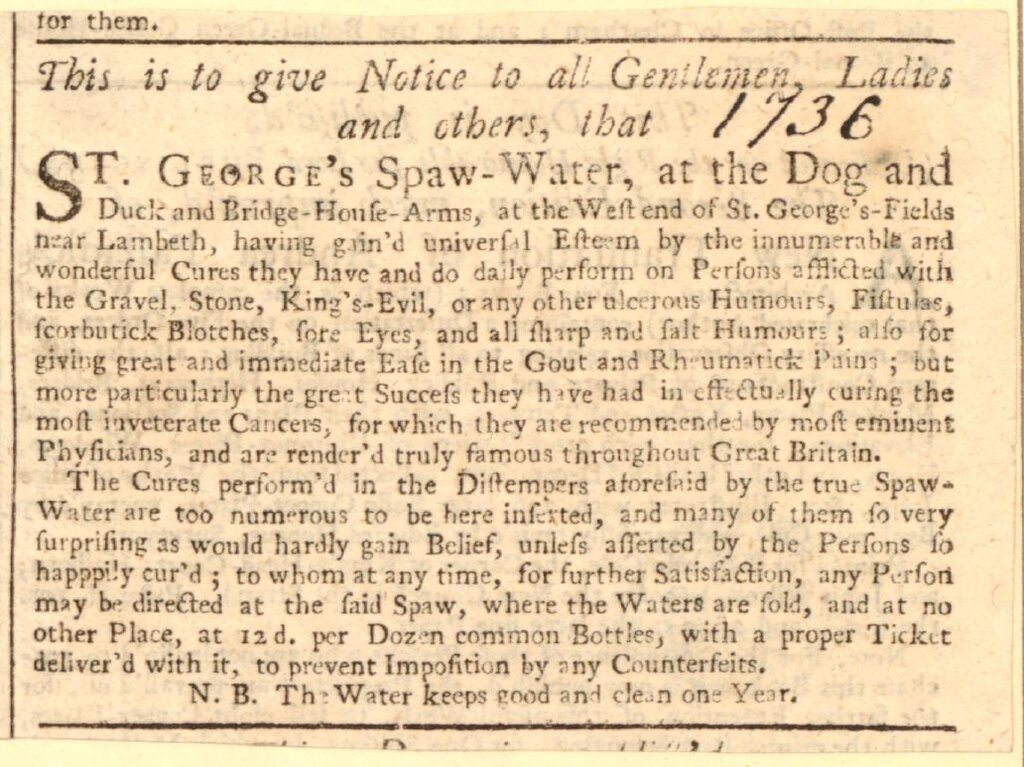
But this patent wasn’t like the ones we have today, which protect a unique invention. Instead, it was essentially a royal monopoly on a trademarked name. The actual ingredients were kept secret. This allowed makers to build a brand and sell their products without revealing that their “miracle cure” was often just a mix of common herbs, alcohol, and sometimes dangerous substances like opium or mercury.
Patent Medicine
noun
A commercial product advertised as a purported remedy for diseases, whose contents were often secret. The 'patent' originally referred to a royal patent granting a monopoly on the brand name, not protection for an invention.
Crossing the Atlantic
As colonists sailed to America, these British remedies came with them. Ships carrying textiles and tools also carried crates of popular English patent medicines like Turlington’s Balsam of Life and Daffy's Elixir. These imported brands were among the first consumer goods to be advertised and sold widely across the colonies.
They found a ready market. The vastness of the American frontier meant that professional doctors were even scarcer than in Europe. Settlers relied on folk remedies and self-treatment, making pre-packaged, advertised medicines an attractive option. They were convenient, affordable, and came with the promise of a quick fix.
After the American Revolution, the entrepreneurial spirit of the new nation fueled a home-grown patent medicine industry. Americans began creating their own elixirs and pills, often modeling their marketing and mysterious branding on the successful British imports. But they added a uniquely American twist.
From Mountebank to Medicine Show
In Europe, remedies were often sold by traveling performers known as “mountebanks.” These showmen would set up a stage in a town square, draw a crowd with acrobatics or music, and then launch into a dramatic sales pitch for their wares. Their primary goal was to entertain long enough to sell a few bottles before moving on.
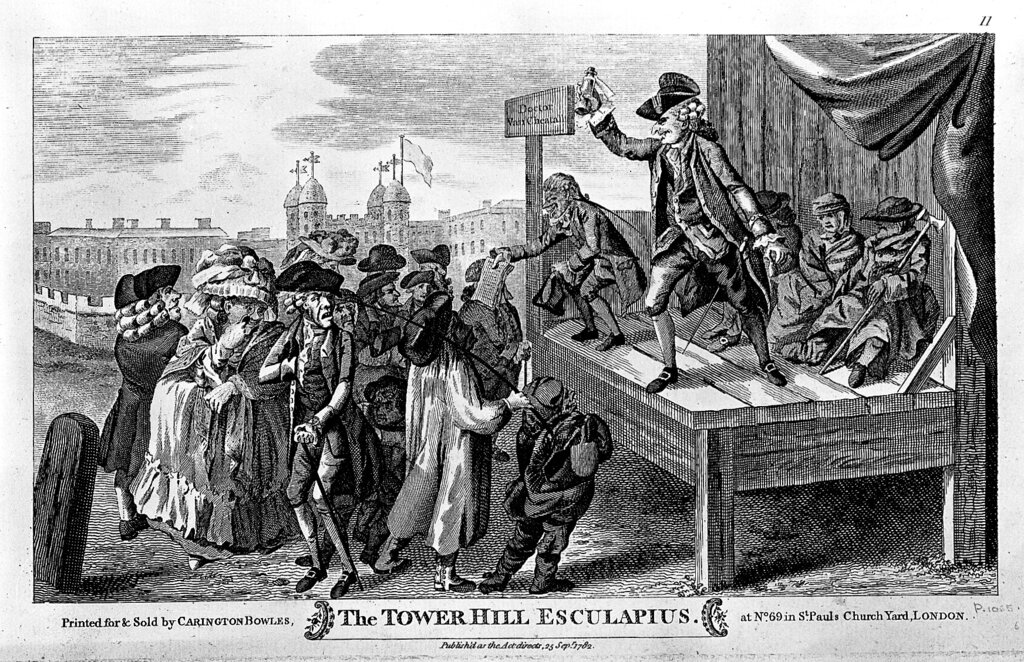
In the United States, this tradition evolved into the American medicine show. These were larger, more organized affairs that traveled from town to town, especially in rural areas where entertainment was scarce. A medicine show was a full-blown spectacle, often including a variety of acts like singers, comedians, magicians, and dramatic plays.
The sales pitch was woven into the entertainment. The charismatic “doctor” or professor would take the stage between acts, telling stories of miraculous cures and demonstrating the power of his product. The show created an atmosphere of excitement and trust, making the audience more receptive to the sales pitch when it came. This combination of entertainment and commerce became a fixture of American life throughout the 19th century.
The medicine show was a uniquely American institution, blending entertainment with commerce to bring purported cures to the far-flung corners of a growing nation.
This era laid the groundwork for the modern pharmaceutical and advertising industries. While the remedies themselves were often ineffective or harmful, the methods used to sell them—branding, mass advertising, and direct-to-consumer sales pitches—proved to be incredibly powerful and enduring.