The Whole Brain Child Explained
Brain Development Basics
Meet Your Brain's Two Sides
Your brain is split into two distinct halves, or hemispheres: the left and the right. While they are constantly communicating and working together, they each have their own style and specialize in different jobs. Thinking of them as two different personalities living in one head can help you understand a child's behavior.
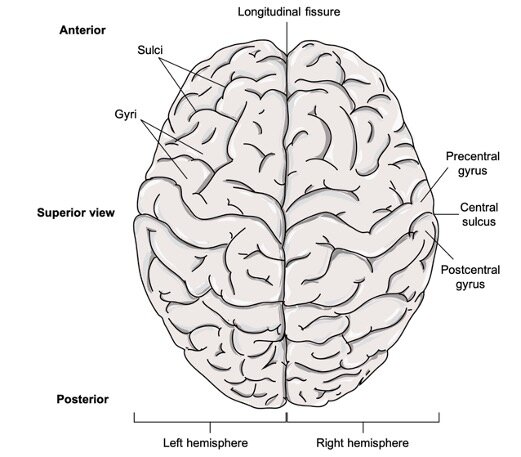
Understanding how each side works is the first step to seeing why kids act the way they do, and how you can help them build a more connected, integrated brain.
The Logical Left
The left hemisphere of the brain loves order. It's logical, literal, and linguistic. Think of it as the part of the brain that organizes the world in a neat, sequential way. It helps us put words to our experiences and make sense of them in a linear fashion.
When your child is telling you a story step-by-step, using words to explain what happened at school, that's their left brain at work. It thrives on facts, details, and rules.
The left brain processes things one at a time, like items on a checklist. First this, then that.
The Emotional Right
The right hemisphere is the opposite. It's holistic, emotional, and non-verbal. Instead of focusing on the details, it grasps the big picture. It's where intuition, creativity, and feelings live. The right brain communicates through facial expressions, body language, and tone of voice.
When a child is swept up in a big emotion, like the overwhelming joy of seeing a puppy or the deep sadness of a broken toy, their right brain is in charge. It experiences the world through feelings and images, not words.
Growing Up One Side at a Time
Children's brains don't develop both hemispheres at the same rate. In the first few years of life, roughly until age three, the right brain is dominant. It's developing rapidly, soaking in experiences and processing the world through emotions and the senses.
This is why young toddlers often live in a world of big feelings and experiences, long before they have the words to describe them.
Then, between the ages of three and six, the left brain has a major growth spurt. This is when language skills explode. Suddenly, your child is asking "Why?" about everything, telling detailed stories, and trying to apply logic to their world. This new analytical ability is the left brain coming online and trying to make sense of all the experiences the right brain has been collecting.
Understanding this developmental timeline helps explain why a two-year-old might have a meltdown they can't explain, while a four-year-old might be able to tell you exactly what's bothering them. It's not just about maturity; it's about which side of the brain is currently in the driver's seat.
Knowing these basics sets the stage for helping children build a bridge between their emotional right brain and their logical left brain.