The Water Cycle Explained
Introduction to the Water Cycle
The Planet's Plumbing System
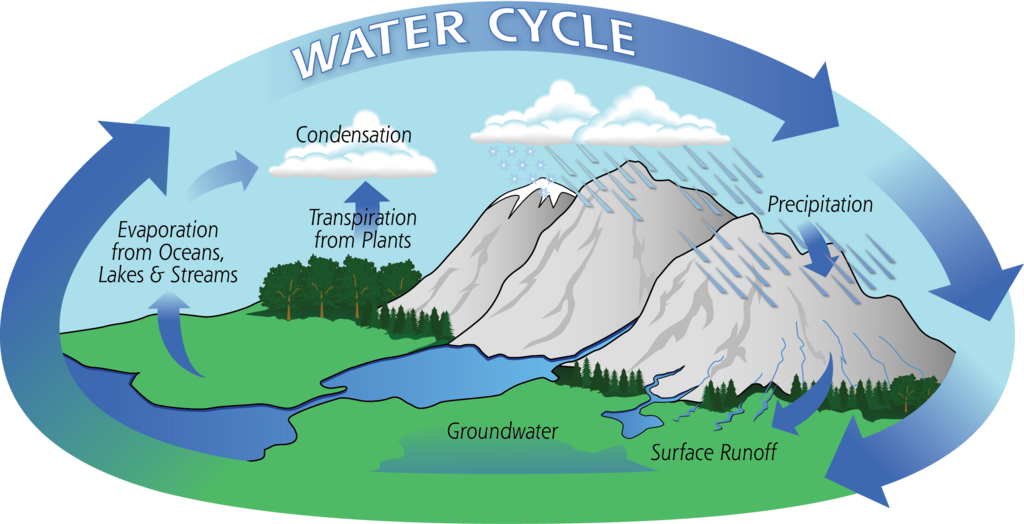
Earth has a fixed amount of water. The water you drink today might have been in a dinosaur's watering hole or a storm cloud over the Pacific Ocean millions of years ago. This constant movement of water is called the water cycle, or the hydrologic cycle. It's a massive, planet-sized recycling system that continuously moves water on, above, and below the Earth's surface.
The water cycle has no starting point, but it's a good place to begin by imagining the sun's energy warming the planet.
From Water to Vapor
The sun is the engine of the water cycle. When sunlight heats up oceans, lakes, and rivers, it gives water molecules enough energy to change from a liquid to a gas. This gas, called water vapor, then rises into the atmosphere. This process is called evaporation. You see it in action when a puddle dries up on a sunny day.
evaporation
noun
The process where a liquid, in this case water, turns into a gas, or vapor.
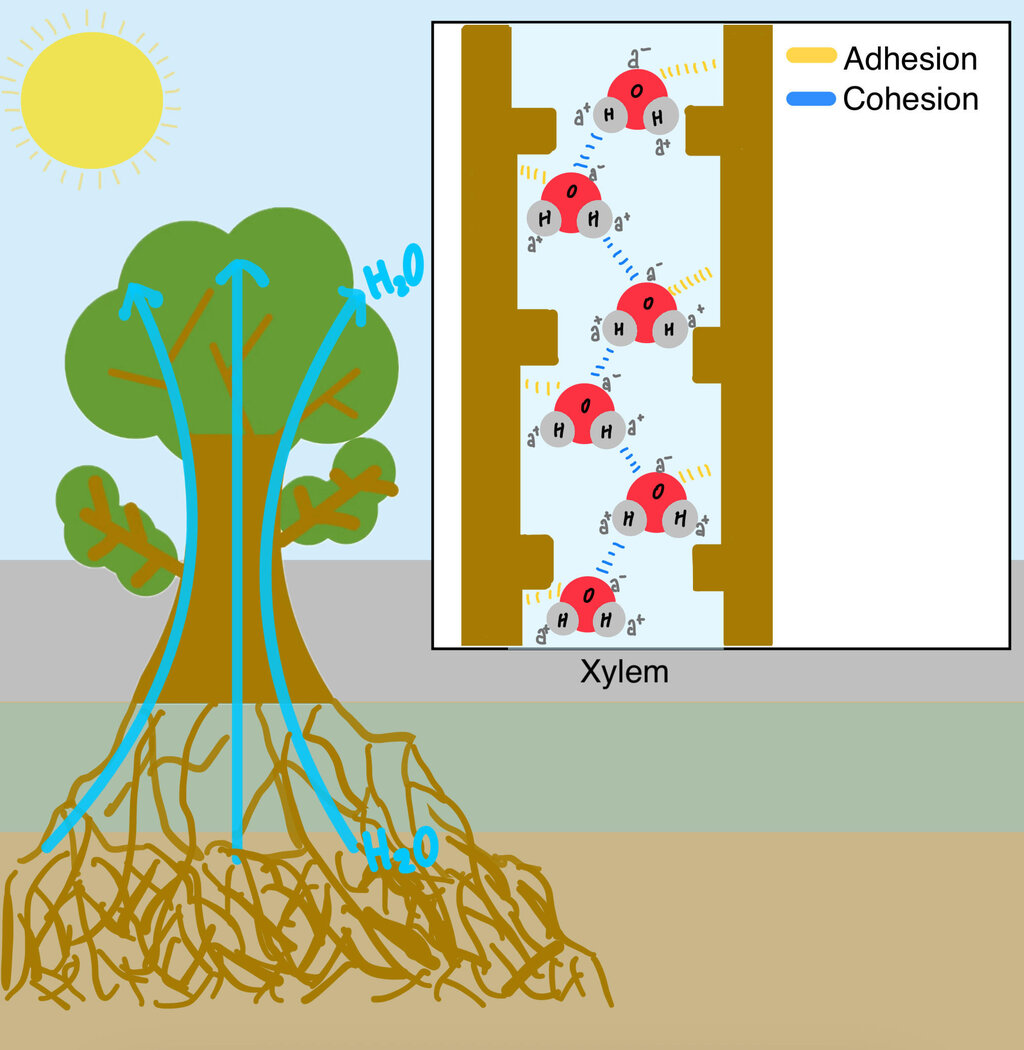
Water also enters the atmosphere from plants. Plants absorb water from the soil through their roots and then release water vapor from tiny pores in their leaves. This process, known as transpiration, is like plants sweating. It's a key part of the water cycle that moves a significant amount of water into the air, especially over dense forests.
From Vapor to Clouds
As the invisible water vapor rises, it gets colder. The higher you go in the atmosphere, the lower the temperature. This cooling causes the water vapor to change back into tiny liquid water droplets. This process is called condensation.
Think about a cold can of soda on a warm day. Water droplets form on the outside because the can cools the water vapor in the surrounding air. In the atmosphere, these tiny water droplets, along with ice crystals, gather together to form the clouds we see in the sky.
condensation
noun
The process by which water vapor in the air is changed into liquid water.
From Clouds to Ground
When enough of these tiny water droplets or ice crystals clump together in a cloud, they become too heavy to stay suspended in the air. They fall back to Earth in a process called precipitation. Precipitation can take many forms, including rain, snow, sleet, or hail, depending on the temperature.
Precipitation is the process where water, in the form of rain, snow, sleet, or hail, falls from the clouds back to the Earth’s surface.
Once the water reaches the ground, what happens next? This final stage is called collection. Some water flows over the surface of the land as runoff, collecting in rivers, lakes, and eventually flowing back to the ocean. Other water soaks into the ground, a process called infiltration, becoming groundwater that can stay underground for thousands of years or eventually seep into other bodies of water.
From there, the sun's heat starts the process all over again. Evaporation begins, and the cycle continues, endlessly circulating Earth's most precious resource.
Ready to check your understanding of how water moves around our planet?
What is the primary energy source that drives the water cycle?
The process of water vapor changing back into tiny liquid water droplets to form clouds is called:
These five processes work together in a continuous loop, ensuring that water is distributed across the globe, supporting all forms of life.