The Water Cycle Explained
Introduction to the Water Cycle
The Planet's Plumbing System
The water you drank today might have once been part of a dinosaur's watering hole or a cloud over the Pacific Ocean. Earth's water is ancient, and it's constantly on the move. This endless journey is called the water cycle, or the hydrologic cycle.
The water cycle is the continuous movement of water within the Earth and its atmosphere.
Think of it as a giant, planet-sized recycling program. It moves water from oceans to the sky, to the land, and back to the oceans again. This cycle is crucial for two big reasons: it helps regulate Earth's climate by moving heat around the globe, and it provides the fresh water that nearly all land-based ecosystems, including our own, depend on to survive.
The Main Stages
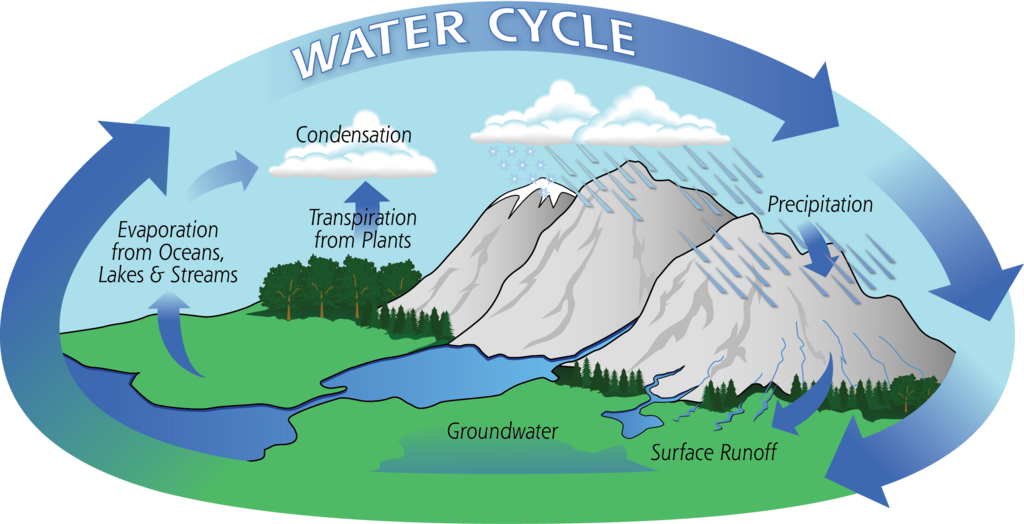
The water cycle doesn't have a starting or ending point, but we can break its journey down into five key processes: evaporation, transpiration, condensation, precipitation, and collection. Together, they describe how water changes form and location.
Evaporation
noun
The process where a liquid, in this case water, turns into a gas, known as water vapor.
The sun is the engine of the water cycle. It heats up water in oceans, lakes, and rivers, giving water molecules enough energy to escape into the air as invisible water vapor. You see this happen on a small scale when a puddle dries up after a summer rain.
Transpiration
noun
The process where plants absorb water through the roots and then give off water vapor through pores in their leaves.
Plants play a big part in moving water, too. They draw water from the soil and release it into the atmosphere as vapor from their leaves. It's like they're breathing out water. A large oak tree can transpire 40,000 gallons of water into the atmosphere in a single year.
Condensation
noun
The process where water vapor in the air is changed into liquid water.
As warm, moist air rises, it cools down. This causes the water vapor to turn back into tiny liquid water droplets. These droplets then cling to dust particles in the air, forming clouds. You can see condensation when you breathe onto a cold window or when water beads up on the outside of a cold glass.
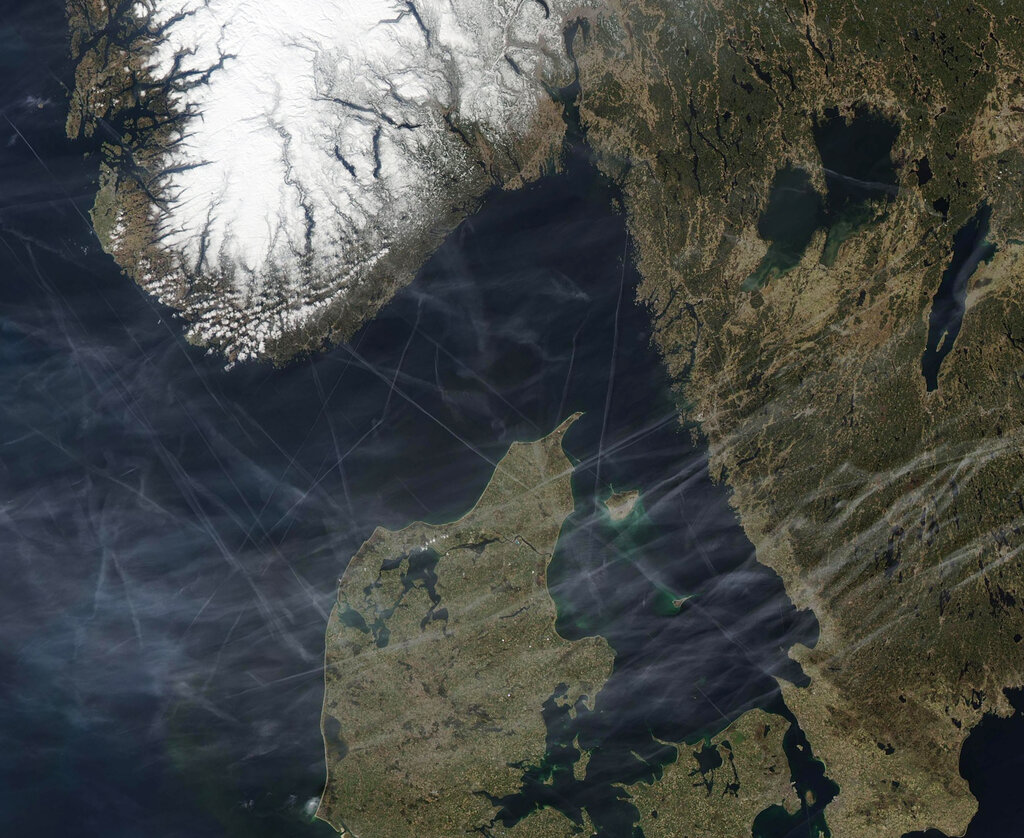
Condensation is the opposite of evaporation. One turns liquid into gas, the other turns gas back into liquid.
Precipitation
noun
Water released from clouds in the form of rain, freezing rain, sleet, snow, or hail.
When enough water droplets gather in a cloud, they combine to become heavier. Eventually, they get too heavy to stay suspended in the air and fall back to Earth. This is precipitation, and it's the primary way water returns to the planet's surface.
Collection is the final major step, where water gathers in one place after falling back to Earth.
Once water precipitates, it has to go somewhere. Some of it seeps into the ground and becomes groundwater. The rest flows over the land as runoff, collecting in rivers, lakes, and ponds. Ultimately, most of this water finds its way back to the ocean, and the cycle is ready to begin again.
What is the primary energy source that drives the water cycle?
The process by which plants release water vapor into the atmosphere from their leaves is called ________.
These five processes work together in a continuous loop, ensuring that water is always being redistributed across our planet.