The War of 1812
Introduction to the War of 1812
A World at War
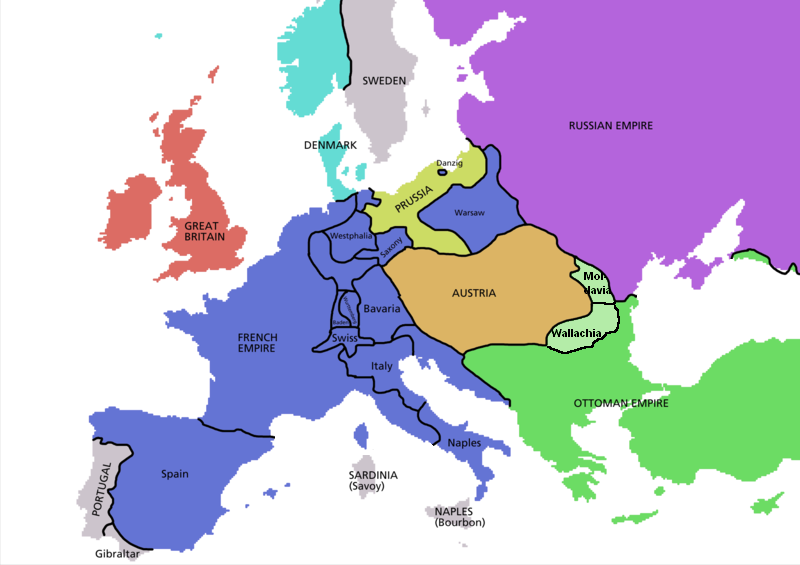
The War of 1812 didn't happen in isolation. To understand it, we first need to look across the Atlantic Ocean to Europe, which was engulfed in a massive conflict. The Napoleonic Wars pitted Napoleon Bonaparte's French Empire against Great Britain and a shifting series of allies. For years, these two superpowers had been locked in a struggle for global dominance.
Britain, with its unmatched navy, controlled the seas. France, with its powerful army, dominated the European continent. Each tried to cripple the other's economy through blockades and trade restrictions. The young United States, trying to remain neutral and trade with both sides, found itself caught in the middle. American ships were regularly stopped, their cargo seized, and their sailors forced into service in the British Royal Navy. This global chess match set the stage for a new conflict in North America.
Who Fought and Where
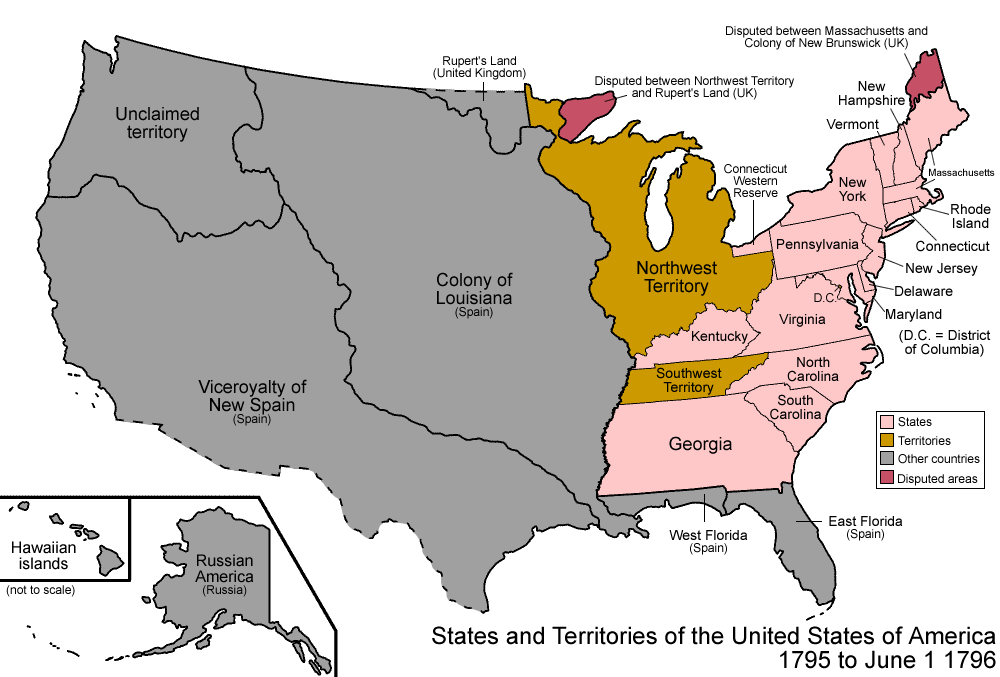
The main combatants were the United States and the British Empire. For many Americans, this felt like a “second war of independence,” a chance to finally force Britain to respect American sovereignty. On the other side, Britain was fighting a war on two fronts, dedicating most of its resources to defeating Napoleon while trying to defend its valuable colonies in North America, which would later become Canada.
But these were not the only groups involved. Numerous Native American nations and confederacies also played a crucial role. Many, like the Shawnee under Tecumseh, allied with the British. They hoped a British victory would help halt the relentless westward expansion of American settlers onto their lands. This made the conflict a complex, multi-sided war for the future of the continent.
The Theaters of War
The fighting in the War of 1812 was spread across three main areas, or theaters.
- The Atlantic Ocean: The war began at sea. American naval ships and privately-owned vessels, known as privateers, attacked British shipping, disrupting their trade. The powerful British Royal Navy, in turn, blockaded the American coast, strangling the U.S. economy.
This naval warfare was a key part of both nations' strategies. For the U.S., it was about inflicting economic pain. For Britain, it was about using their naval supremacy to cut off American trade entirely.
- The American-Canadian Border: Much of the land combat took place along the frontier between the United States and British North America. This stretched from the Great Lakes region in the west to the St. Lawrence River in the east. Armies clashed in a series of invasions, raids, and sieges, with control of key forts and waterways hanging in the balance.
This was where the fate of Canada was decided and where Native American forces were most heavily involved, fighting to protect their homelands from American encroachment.
- The American South and Gulf Coast: The third theater opened up in the southern states. Here, the conflict involved clashes with British forces and their Native American allies, particularly the Red Stick Creek confederacy. This phase of the war culminated in a major, decisive battle even after a peace treaty had been signed.
These three distinct theaters—at sea, along the northern border, and in the south—defined the sprawling and complex nature of the war.