The Voice AI Revolution
Introduction to Voice AI
What Is Voice AI?
At its core, Voice AI is technology that allows humans to interact with computers using their voice. Instead of typing on a keyboard or tapping a screen, you can simply speak. The AI listens, understands, and responds in a conversational way.
Voice AI agents are systems that use artificial intelligence (AI) to listen, understand, and respond to people in a natural and conversational way.
This isn't just about recognizing words. True Voice AI grasps context, intent, and even nuance in your speech. It’s the difference between a simple voice command, like "play music," and a more complex interaction, like asking your phone to find the best route to a friend's house, avoiding traffic, and sending them a text that you're on your way.
The main goal is to make technology feel less like a machine and more like a helpful partner. By removing the barrier of a physical interface, it makes digital tools more accessible and intuitive for everyone.
From Talking Toys to Smart Assistants
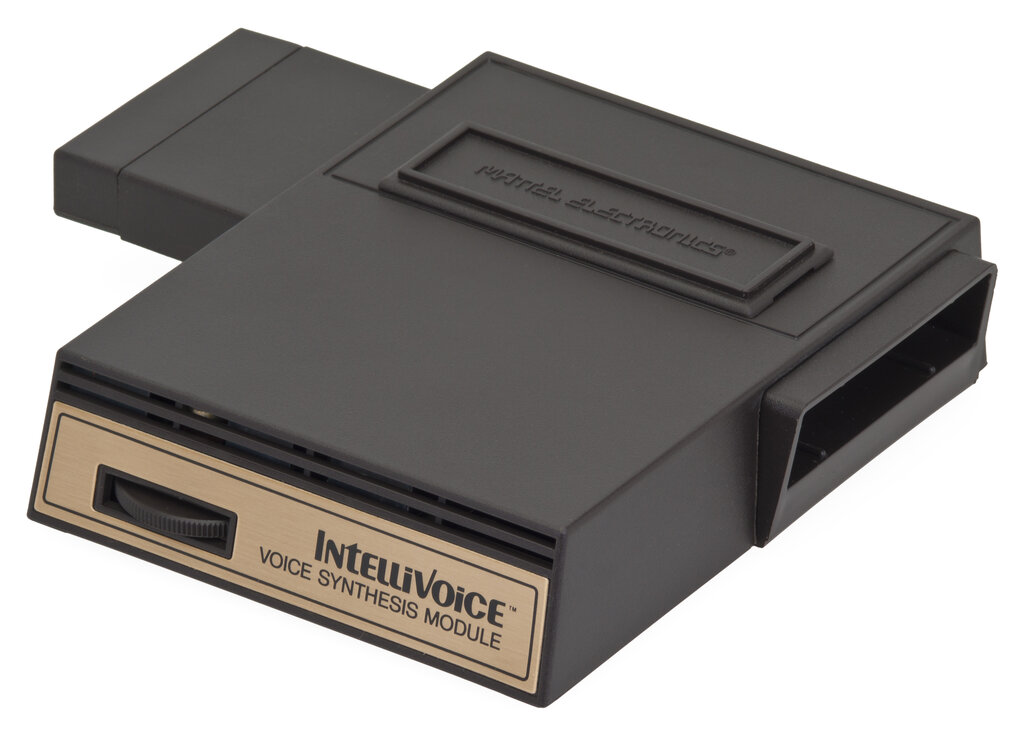
Voice technology has been around longer than you might think, but early versions were very limited. In the 1980s, devices like the Intellivoice for the Intellivision game console could produce robotic-sounding speech for specific games. It was a novelty, but it showed what was possible.
Soon after, businesses adopted Interactive Voice Response (IVR) systems. You've likely encountered them when calling a company: "For sales, press one. For support, press two." These systems understood only a few keywords or keypad tones. They followed a rigid script and couldn't handle unexpected questions.
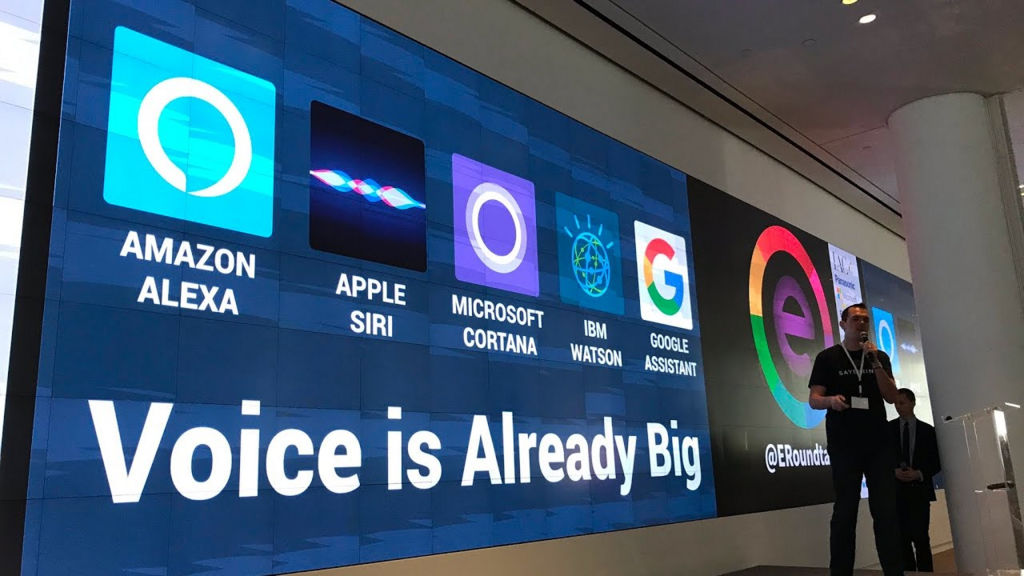
The real breakthrough came with the rise of AI and machine learning. Modern voice assistants like Siri, Alexa, and Google Assistant can understand natural language, learn from interactions, and perform a wide range of tasks. They've moved beyond simple commands to become powerful tools for information, entertainment, and controlling smart devices.
The Two Key Pieces
Voice AI works through two fundamental processes: understanding what you say and then replying.
First, the system needs to convert your spoken words into text that a computer can analyze. This is called speech recognition.
Once it has the text, the AI processes the meaning and determines a proper response. To deliver that response, it must turn its own text back into audible speech. This is called speech synthesis.
Think of it this way: speech recognition is for listening, and speech synthesis is for talking.
The quality of these two components determines how natural and effective a Voice AI system feels. Early speech synthesis sounded robotic because it was just piecing together pre-recorded sounds. Modern systems use AI to generate entirely new speech that mimics human intonation, rhythm, and emotion.
Voice AI in the Wild
Voice AI is no longer a futuristic concept. It's integrated into many industries, changing how we work and live.
- Customer Service: Instead of waiting on hold, customers can talk to an AI agent that can answer questions, book appointments, or route calls to the right human representative. This frees up human agents to handle more complex issues.
- Healthcare: Doctors use voice assistants to take notes during patient visits, allowing them to focus on the person in front of them instead of a computer screen. This leads to better documentation and more personal care.
- Automotive: In-car voice assistants let drivers control navigation, music, and climate control without taking their hands off the wheel or their eyes off the road, improving safety.
- Accessibility: For people with visual impairments or mobility challenges, Voice AI is a life-changing tool. It provides a hands-free way to send messages, browse the internet, and control their home environment.
These applications show that Voice AI is more than a convenience. It's a powerful technology that streamlines processes, improves safety, and makes the digital world accessible to more people.
Ready to check your understanding?
What is the primary goal of Voice AI?
How did early Interactive Voice Response (IVR) systems differ from modern voice assistants?
Voice AI is fundamentally changing our relationship with technology, making it more direct and human. As the systems for listening and speaking continue to improve, our conversations with machines will only become more natural and useful.