The Visionary Architect Sk Kaunain Afzal
Introduction to Sustainable Architecture
Buildings That Work With Nature
Sustainable architecture is about designing buildings that are friendly to the environment and healthy for the people who use them. It’s a way of thinking that aims to reduce the negative impact of construction on the planet. This means using less energy, creating less waste, and tapping into natural resources in a smart way.
Why does this matter? Buildings are huge consumers of energy and materials. By rethinking how we design them, we can significantly cut down on pollution and conserve precious resources. The goal is to create spaces that are not only beautiful and functional but also responsible.
Sustainable architecture, though often seen as a contemporary response to the pressing environmental concerns of today, has deep historical roots.
This approach looks at the entire life of a building, from the materials used to build it to how it operates daily, and even how it might be deconstructed someday. It's about making choices that are good for the long run.
Smart Design Before Gadgets
Before adding any fancy technology, sustainable design starts with the basics. This is called passive design. It's the art of using a building's location, climate, and materials to naturally keep it comfortable, without relying on heating or air conditioning.
Imagine a house that stays cool in the summer and warm in the winter just because of how it's built. That's the power of passive design. Key strategies include:
- Orientation: Positioning a building to take advantage of the sun's path. In colder climates, you might want large windows facing south to capture winter sunlight for warmth. In hotter places, you’d minimize windows on the west-facing side to avoid the intense afternoon sun.
- Shading: Using overhangs, awnings, or even strategically planted trees to block direct sunlight during the hottest parts of the day, which helps keep the interior cool.
- Natural Ventilation: Designing windows and vents to create cross-breezes that cool the building naturally, pushing hot air out and pulling cool air in.
By thinking about these factors from the very beginning, architects can dramatically reduce a building's need for electricity.
Building with Better Materials
The materials used to construct a building are a huge piece of the sustainability puzzle. Traditional materials like concrete and steel require a lot of energy to produce. Sustainable architecture looks for alternatives that are kinder to the planet.
This often means using renewable resources, which are materials that can be replenished relatively quickly. Bamboo is a great example. It grows incredibly fast and is as strong as some hardwoods. Cork, harvested from the bark of cork oak trees without harming them, is another excellent choice for flooring and insulation.
Recycled materials also play a key role. Think of countertops made from recycled glass bottles, insulation made from old newspapers, or beams made from reclaimed wood salvaged from old barns. Using these materials not only reduces waste in landfills but also cuts down on the need to extract and process new raw materials.
The key is to consider the entire life cycle of a material, from where it comes from to where it will end up.
Green Technology in Action
Once a building has been designed with passive strategies and sustainable materials, technology can take its efficiency to the next level. These are often called active systems because they require energy to work, but they are designed to be incredibly efficient.
Common green technologies include:
- Solar Panels: These convert sunlight directly into electricity, reducing reliance on the power grid.
- Green Roofs: A layer of vegetation planted over a waterproofing membrane. They provide excellent insulation, absorb rainwater to prevent runoff, and create habitats for wildlife.
- Rainwater Harvesting: Systems that collect and store rainwater from roofs. This water can then be used for landscaping or flushing toilets, conserving treated drinking water.
- High-Efficiency Systems: This includes everything from LED lighting and smart thermostats to appliances with high energy-efficiency ratings.
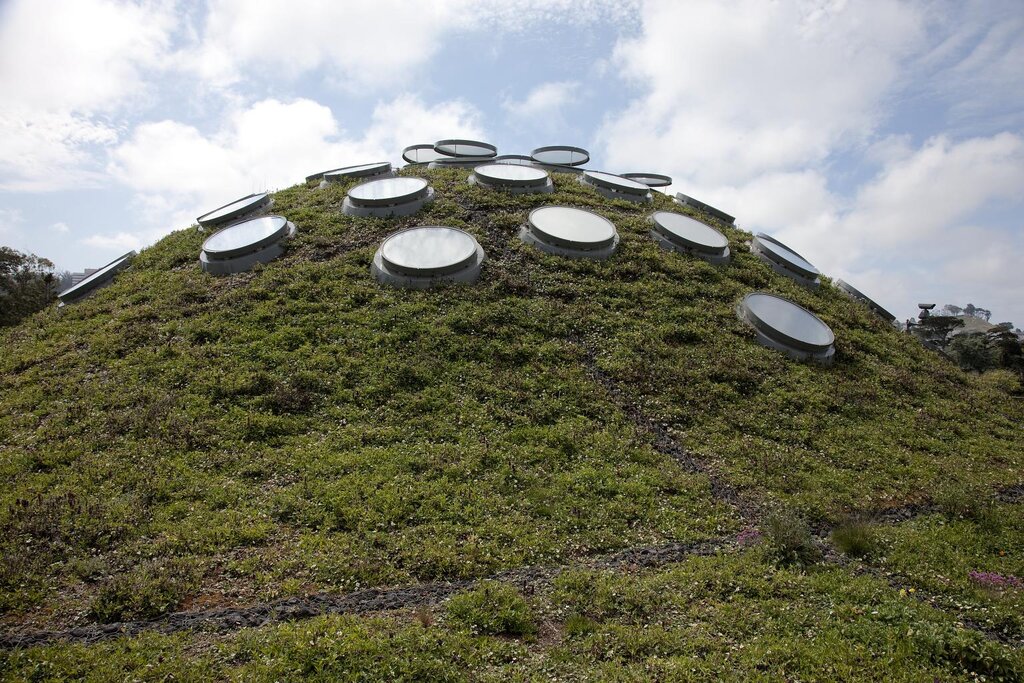
These technologies work best when they are integrated into a building that is already well-designed from a passive standpoint. They enhance an already efficient structure rather than compensating for a poor one.
Ready to check your understanding of these core concepts?
What is the primary goal of sustainable architecture?
Positioning a building to take advantage of the sun's path for natural heating and cooling is a passive design strategy known as __________.
By combining thoughtful passive design, responsible material choices, and efficient technology, sustainable architecture creates buildings that are better for the environment and the people inside them.