The Vietnam War Explained
Origins of the Vietnam War
A Century of Control
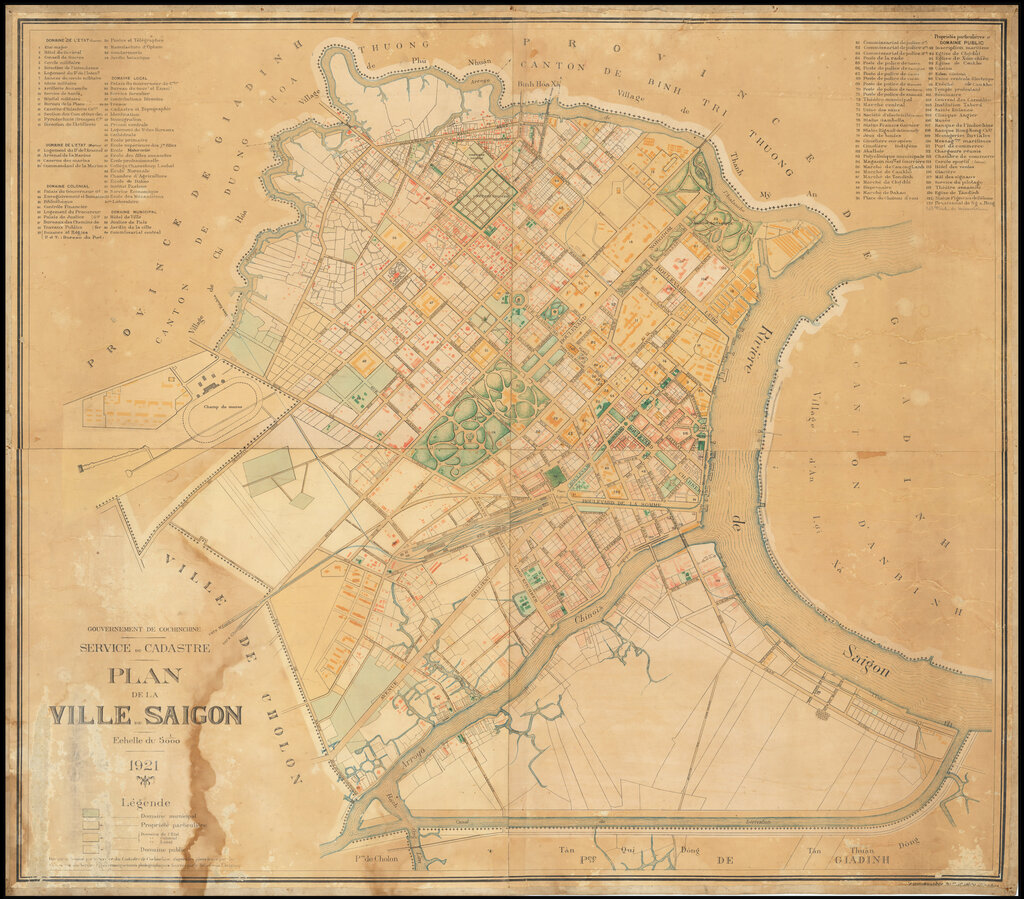
The story of the Vietnam War doesn't start in the 1960s. It begins much earlier, with the arrival of French colonialists in the 19th century. By 1887, France had consolidated its control over Vietnam, Cambodia, and Laos, creating a territory known as French Indochina. For the French, Indochina was a source of immense wealth, providing rubber, rice, and other resources to fuel their economy. For the Vietnamese, it was a period of subjugation.
French rule was comprehensive. They imposed their language, culture, and political systems, dismantling traditional Vietnamese structures of governance. Farmers were forced off their land to work on massive rubber plantations, often under brutal conditions. This economic exploitation and loss of autonomy planted the seeds of resistance that would grow for decades.
The Nationalist Spark
Decades of foreign rule fueled a powerful desire for independence. Various nationalist movements emerged, but the most influential was led by a man named Ho Chi Minh. Inspired by both communist and anti-colonial ideas, he founded the Indochinese Communist Party in 1930 and later a broader independence movement.
League for the Independence of Vietnam
This organization, better known as the Viet Minh, united various nationalist groups with a single goal: to expel all foreign powers from Vietnam. Ho Chi Minh’s message was simple and powerful. He spoke of national pride and the right of the Vietnamese people to rule themselves. This resonated deeply with a population tired of being controlled by outsiders.
During World War II, Japan invaded and occupied Vietnam, displacing the French. This created a power vacuum. When Japan surrendered in 1945, the Viet Minh seized the opportunity, taking control of Hanoi and declaring Vietnam an independent nation.
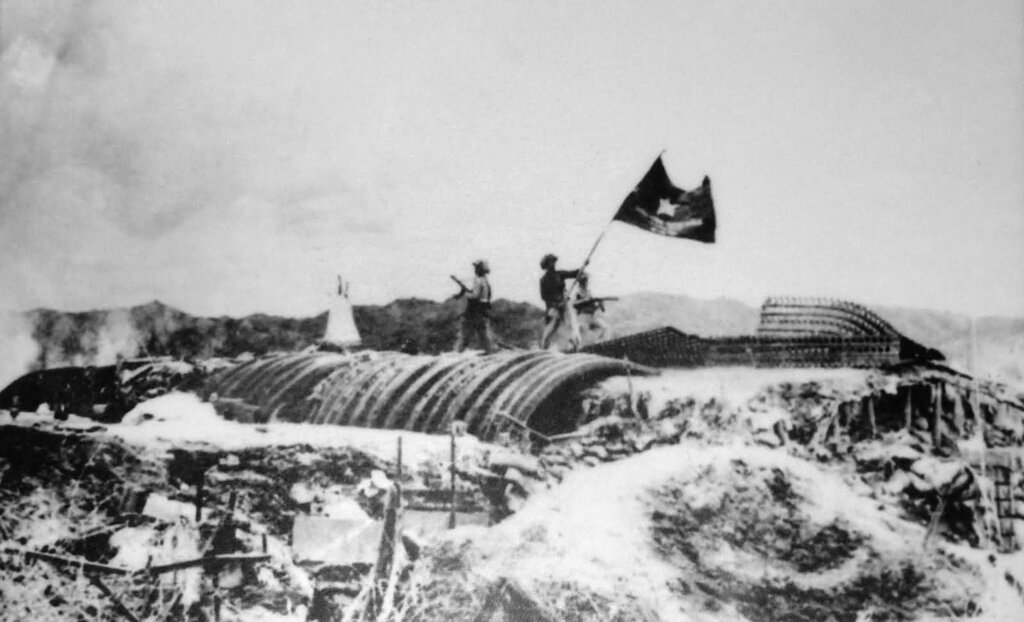
But independence was short-lived. France, determined to reclaim its colony, returned to Indochina, sparking the First Indochina War. After eight years of brutal fighting, the French were decisively defeated at the Battle of Dien Bien Phu in 1954. The defeat forced France to the negotiating table.
A Divided Nation
The Geneva Accords of 1954 officially ended French rule. However, instead of creating a unified, independent Vietnam, the country was partitioned. The agreement temporarily divided Vietnam at the 17th parallel, creating two separate zones.
| Region | Leadership | Ideology |
|---|---|---|
| North Vietnam | Ho Chi Minh and the Communist Party | Communist |
| South Vietnam | Ngô Đình Diệm (initially) | Anti-Communist |
This division was meant to be temporary. The accords called for a nationwide election in 1956 to reunify the country under a single government. But the election never happened. The United States and the leaders of South Vietnam feared that Ho Chi Minh would win overwhelmingly, placing all of Vietnam under communist rule.
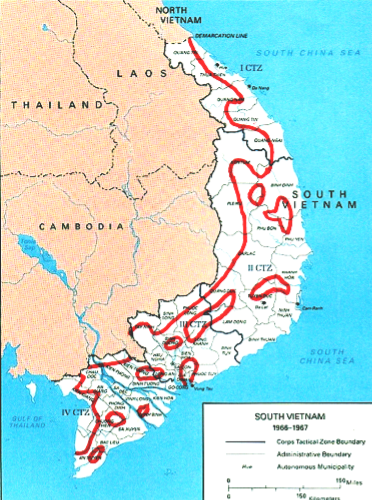
This decision set the stage for a new conflict. The division hardened, and the two Vietnams became pawns in a much larger global struggle: the Cold War.
The Domino Theory
The United States viewed the situation in Vietnam not as a local civil war or an anti-colonial movement, but as a front line in the fight against global communism. American policymakers were guided by the "Domino Theory."
Domino Theory
noun
A Cold War-era geopolitical theory that speculated if one country in a region came under the influence of communism, then the surrounding countries would follow in a domino effect.
The fear was that if South Vietnam fell to communism, then Laos, Cambodia, Thailand, and other Southeast Asian nations would be next. To prevent this, the U.S. began sending military advisors and massive amounts of financial aid to prop up the anti-communist government in South Vietnam. North Vietnam, in turn, received support from the Soviet Union and China.
The ideological battle lines were drawn. The temporary division of Vietnam became a permanent, violent schism, pulling the country, and the world, into a devastating war.
Ready to test your knowledge?
In the late 19th century, French colonialists established French Indochina. Which three modern-day countries comprised this territory?
What was the primary, unifying goal of the Viet Minh, the independence movement led by Ho Chi Minh?
These complex origins—from colonial resentment to a Cold War standoff—created a conflict that would define a generation.