The Very Large Array Explained
Introduction to Radio Astronomy
Beyond the Rainbow
Our eyes are incredible tools, but they only see a tiny fraction of the light that fills the universe. The familiar rainbow of colors, from red to violet, is just one small neighborhood in a vast city of light called the electromagnetic spectrum.
This spectrum includes all forms of light, or electromagnetic radiation. What makes them different is their wavelength and energy. At one end are high-energy, short-wavelength gamma rays. Then come X-rays, ultraviolet light, the visible light we see, infrared, and finally microwaves and radio waves, which have the longest wavelengths and lowest energy.
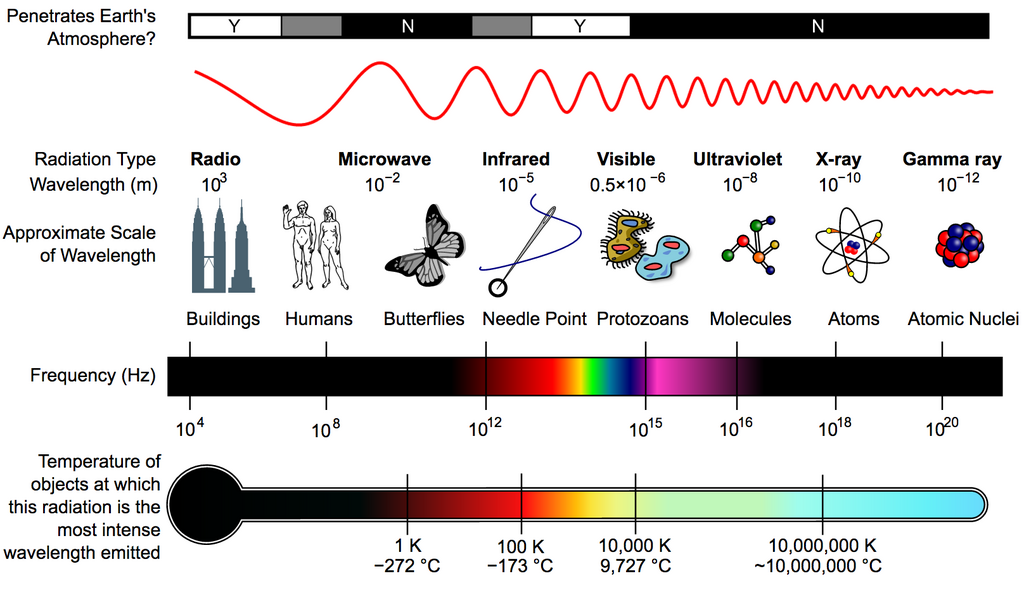
Think of it like sound. We can hear a certain range of pitches, but sounds exist that are too low or too high for our ears to detect. Light works the same way. To get a full picture of the universe, astronomers need to observe it across the entire spectrum, using different kinds of telescopes for each type of light.
Listening to the Stars
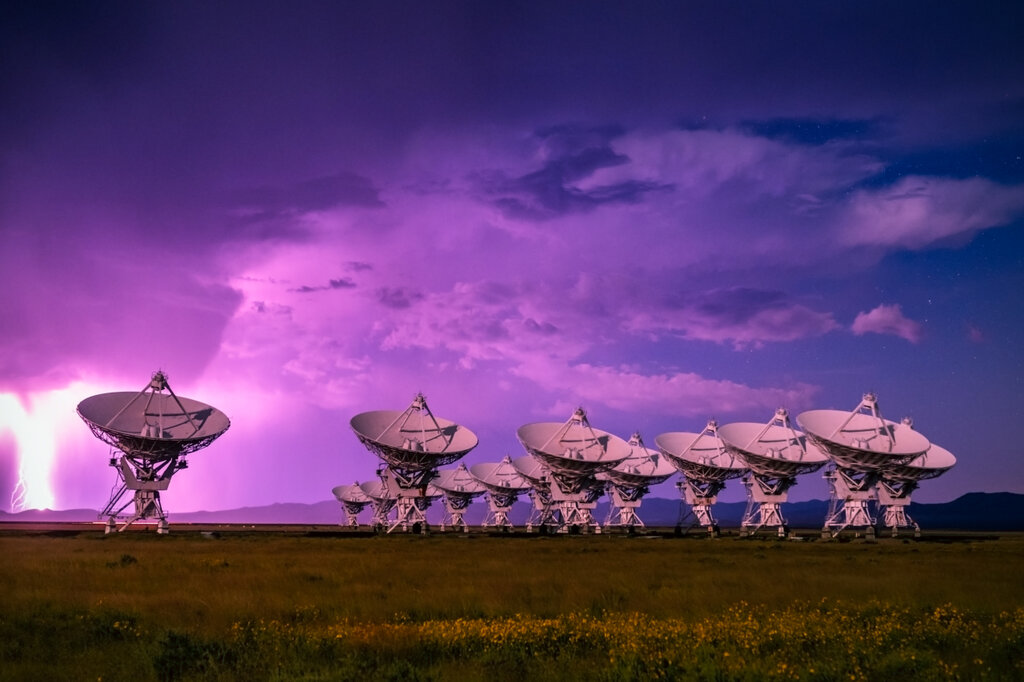
Radio astronomy is the study of the universe using radio waves. These waves have wavelengths that can range from millimeters to many kilometers long. Because they have such low energy, they can travel vast cosmic distances without being easily blocked.
This is a huge advantage. Thick clouds of cosmic dust and gas hide many of the universe's most interesting objects from view, like the center of our own Milky Way galaxy or newborn stars cocooned in their stellar nurseries. Visible light gets scattered and absorbed by this dust, but long-wavelength radio waves pass right through, giving astronomers a clear view.
Another key benefit is that Earth's atmosphere is transparent to many radio frequencies. While telescopes for gamma rays, X-rays, and most infrared light need to be in space, we can build massive radio telescopes right here on the ground.
An Accidental Discovery
Radio astronomy began not with an astronomer, but with an engineer trying to solve a practical problem. In 1932, a young Bell Labs engineer named Karl Jansky was tasked with finding the source of static that was interfering with new transatlantic radio-telephone services.
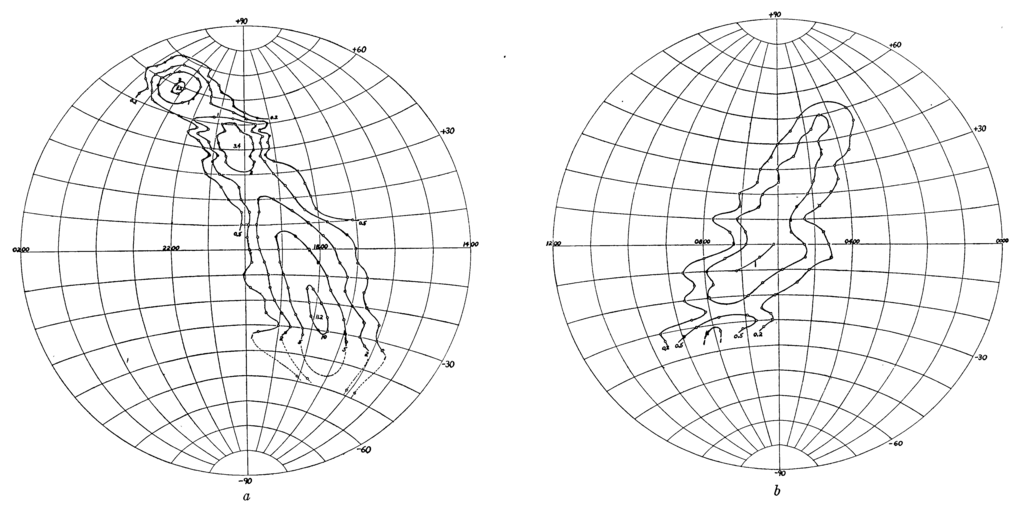
He built a large, rotating antenna to track the direction of the noise. He identified static from nearby and distant thunderstorms, but he also found a faint, steady hiss that he couldn't explain. After tracking it for months, he realized the signal peaked about four minutes earlier each day. This matched the movement of the stars, not the sun, proving the signal was coming from outside our solar system. Jansky had discovered radio waves from the center of the Milky Way.
Jansky's discovery opened a new window on the universe. For the first time, humans could study the cosmos without relying on visible light.
While Jansky's work was revolutionary, it didn't immediately catch on. The first person to build a telescope specifically for astronomical observation was an amateur radio operator and engineer named Grote Reber. In 1937, he constructed a 9.5-meter parabolic dish antenna in his backyard in Illinois. With it, he created the first detailed maps of the radio sky, confirming Jansky's discovery and finding other bright radio sources.
Unveiling a Dynamic Universe
The radio window has revealed some of the most exotic and energetic objects in the universe. In the 1960s, astronomers found quasars, the incredibly bright cores of distant galaxies powered by supermassive black holes. These objects are so far away that they appear like faint stars in visible light, but they blaze with energy at radio wavelengths.
Another landmark discovery was pulsars, first detected in 1967. These are the spinning, super-dense remnants of massive stars that have exploded. As they rotate, they sweep beams of radio waves through space, which we detect as regular pulses, like a cosmic lighthouse.
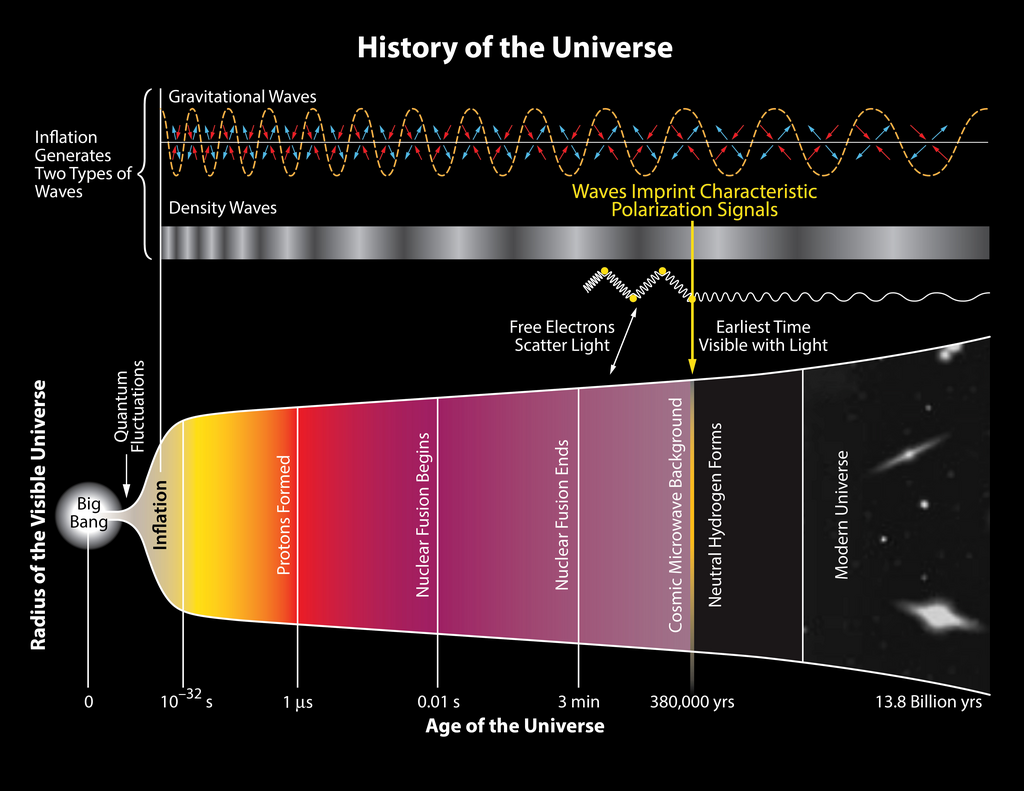
Perhaps the most profound discovery was the cosmic microwave background (CMB). This is a faint radio glow that fills all of space, discovered in 1965 by Arno Penzias and Robert Wilson. It's the leftover heat from the Big Bang, the very afterglow of creation. The CMB provides a snapshot of the universe when it was just 380,000 years old and is the strongest evidence we have for the Big Bang theory.
Ready to test your knowledge about our radio universe?
What is the primary characteristic that distinguishes different types of electromagnetic radiation, such as radio waves and gamma rays?
Why can astronomers build large radio telescopes on the ground, while telescopes for X-rays and gamma rays must be placed in space?
From an accidental hiss in an engineer's headphones to mapping the afterglow of the Big Bang, radio astronomy has fundamentally changed our understanding of the cosmos.