The Versatile Oboe
Oboe Origins
From Shawm to Star
Before the oboe, there was the shawm. A popular instrument from the Middle Ages through the Renaissance, the shawm was a loud, powerful double-reed instrument, mainly used for outdoor events like parades and military ceremonies. Its piercing sound could cut through the noise of a crowd, but it lacked the subtlety needed for indoor chamber music.
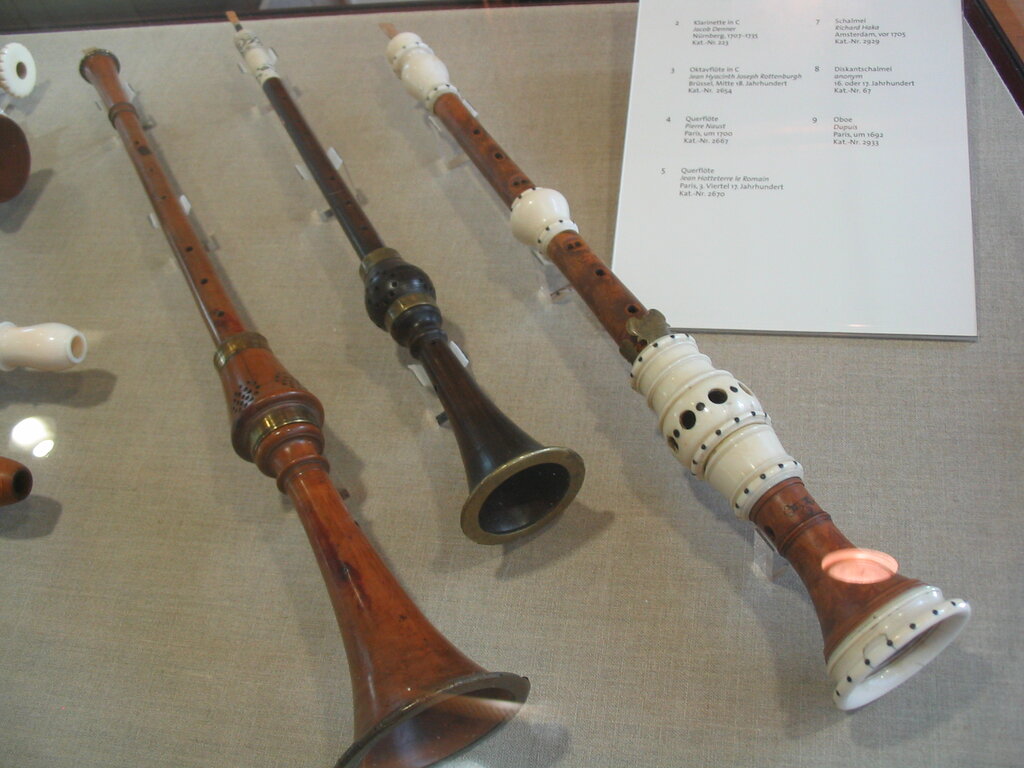
Everything changed in the mid-17th century, particularly in France. Instrument makers like the Hotteterre family began experimenting with the shawm's design. They narrowed its internal tube, or bore, and refined the reed, transforming the instrument's brash tone into something much sweeter and more controlled. They also added keys, allowing for more complex melodies and better tuning.
This new instrument wasn't just a modified shawm; it was the birth of the oboe.
Joining the Orchestra
The oboe's new, refined voice was perfect for the burgeoning orchestras of the Baroque period. Its sound was expressive and capable of a wide dynamic range, from soft whispers to soaring lines. Composers at the court of King Louis XIV, like Jean-Baptiste Lully, were among the first to write the oboe into their orchestral scores. It quickly became an essential member of the woodwind section.
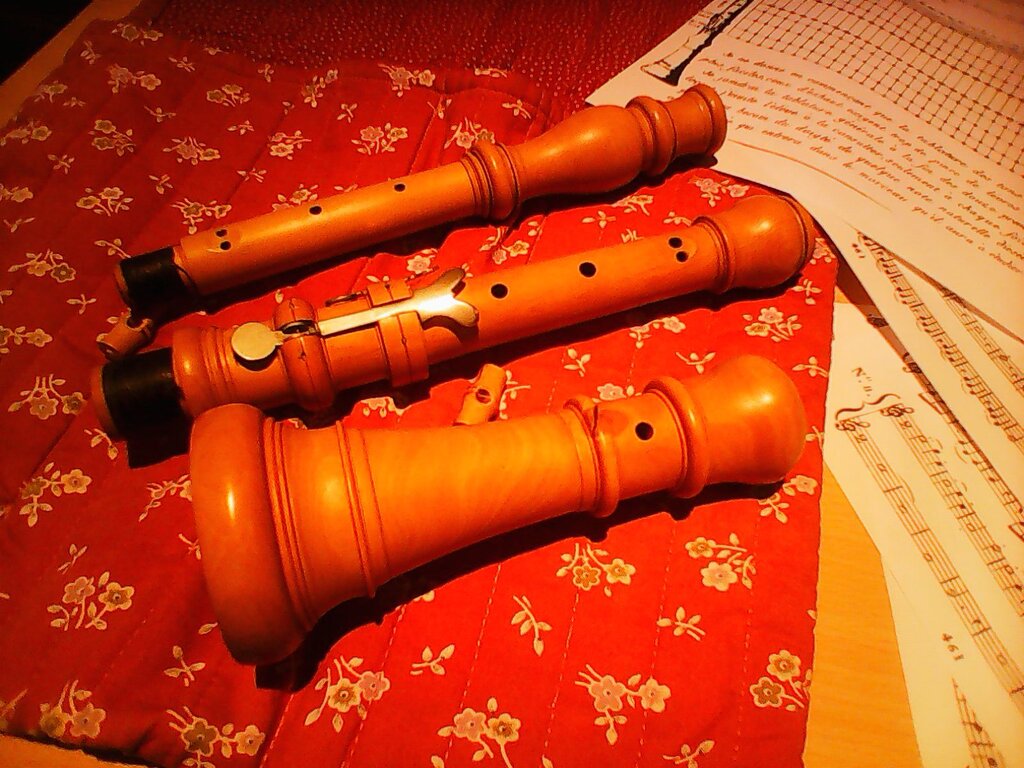
Unlike the boisterous shawm, the oboe could blend beautifully with strings and other woodwinds. Its clear, penetrating tone made it a reliable instrument to lead the ensemble, which is why it was often tasked with giving the tuning pitch—a tradition that continues in many orchestras today. The oboe wasn't just a background instrument; it was a soloist in its own right.
A Classical Mainstay
As music moved into the Classical and Romantic eras, the oboe's place was cemented. Composers from Bach and Handel to Mozart and Strauss fell in love with its vocal quality, giving it some of the most beautiful and memorable melodies in all of classical music. It could express joy, sorrow, and everything in between.
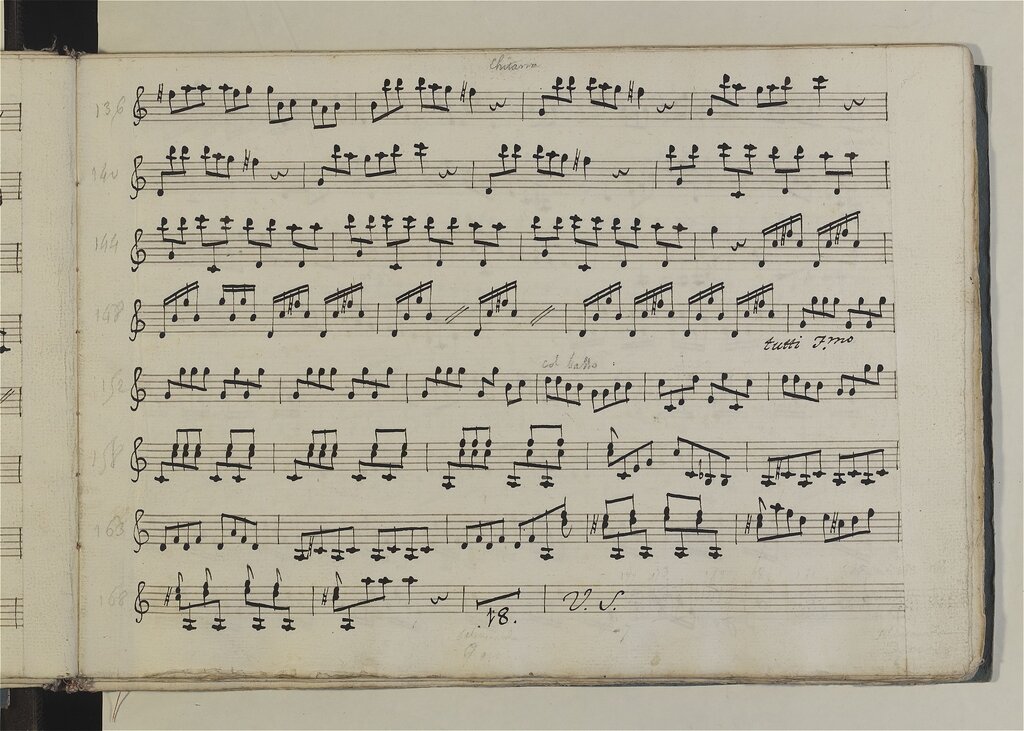
The oboe became a star in concertos, a prominent voice in symphonies, and a key player in chamber music, especially woodwind quintets. Its journey from a loud outdoor instrument to a nuanced orchestral soloist shows how technology and artistic taste can shape the evolution of music.
What instrument is considered the direct ancestor of the modern oboe?
Which of the following was a key modification made to the shawm to create the oboe?
From its humble beginnings, the oboe has secured a vital role in music history.