The Versatile Oboe
Oboe Origins
From Ancient Reeds
The oboe's story doesn't start in an orchestra pit. It begins thousands of years ago with a simple idea: making sound by blowing air between two thin pieces of cane. This basic concept gave rise to a family of instruments known as double reeds.
One of the earliest known double-reed instruments was the ancient Greek aulos. It often consisted of two pipes played simultaneously, producing a buzzing, penetrating sound. The aulos was a staple of Greek life, appearing at religious ceremonies, festivals, and even the Olympic Games.
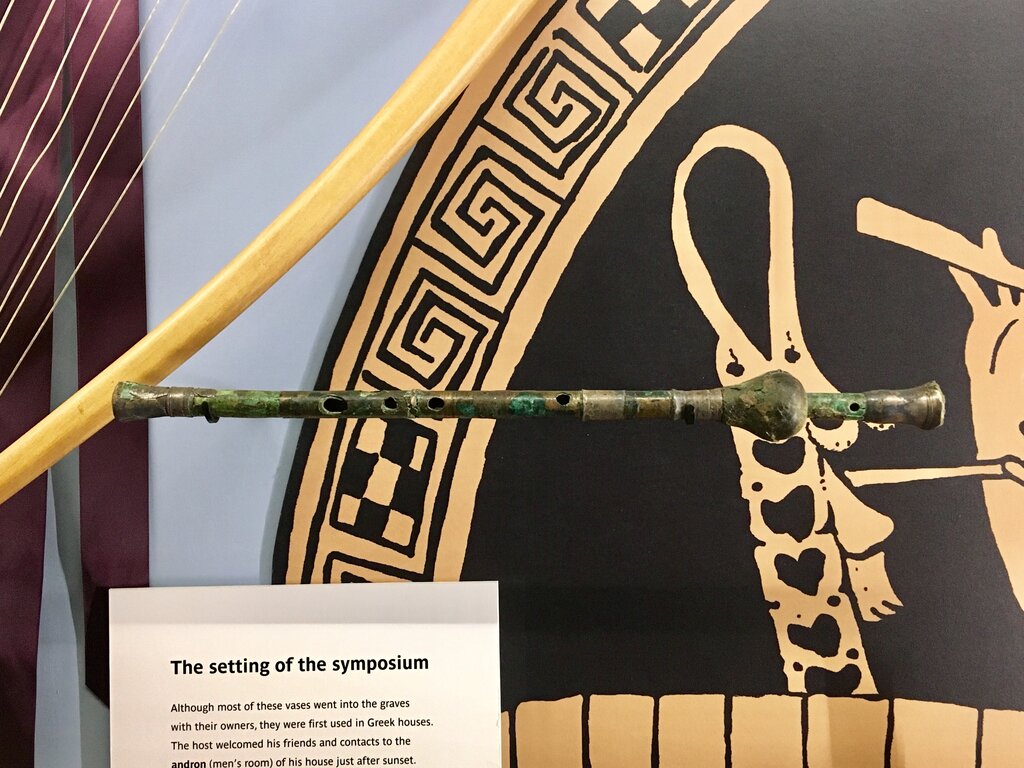
Fast forward to medieval Europe, and we find the shawm. Like the aulos, it had a double reed, but it was a single-pipe instrument with a conical bore that flared into a bell. This design gave the shawm a loud, piercing tone, making it perfect for outdoor events, military fanfares, and processions.
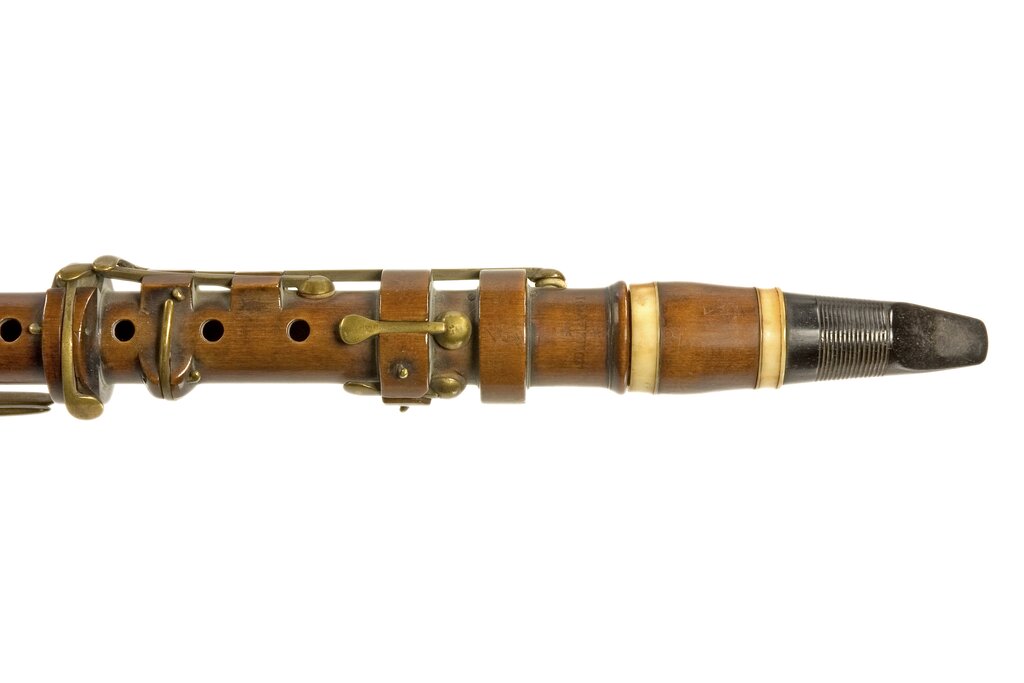
The shawm was a powerful instrument, but its volume and somewhat coarse tone made it less suitable for the more intimate, refined music that was becoming popular in the courts of Europe.
The French Connection
The transformation from the boisterous shawm to the more elegant oboe happened in 17th-century France, specifically at the court of King Louis XIV. The king's orchestra, known for its precision and artistry, needed instruments that could blend well and play with more dynamic subtlety.
During the mid 17th century, the first baroque oboe (called hautbois, meaning 'high-wood') was created in France, where it was used to entertain the French court.
Instrument makers like the Hotteterre family took on the challenge. They redesigned the shawm, giving it a narrower bore, a smaller reed, and a body made of three distinct sections, or joints. This new instrument, called the hautbois (French for 'high-wood' or 'loud-wood'), had a sweeter, more controlled tone. It was capable of a wider range of expression than its predecessor.
This Baroque oboe was an immediate success. It still had a bright, penetrating sound, but it could be played with a delicacy the shawm could never achieve. The instrument quickly spread from the French court to orchestras and ensembles across Europe.
A Voice in the Orchestra
The new hautbois, or oboe, found its place in the orchestra almost immediately. Composers of the Baroque era, like Jean-Baptiste Lully and later Johann Sebastian Bach, were drawn to its expressive, voice-like quality.
The oboe often carried the melody, soaring above the strings. Its clear, stable pitch also made it the natural choice for tuning the entire orchestra, a tradition that continues to this day. Before a concert, you'll hear the principal oboist play an 'A' for the other musicians to tune to.
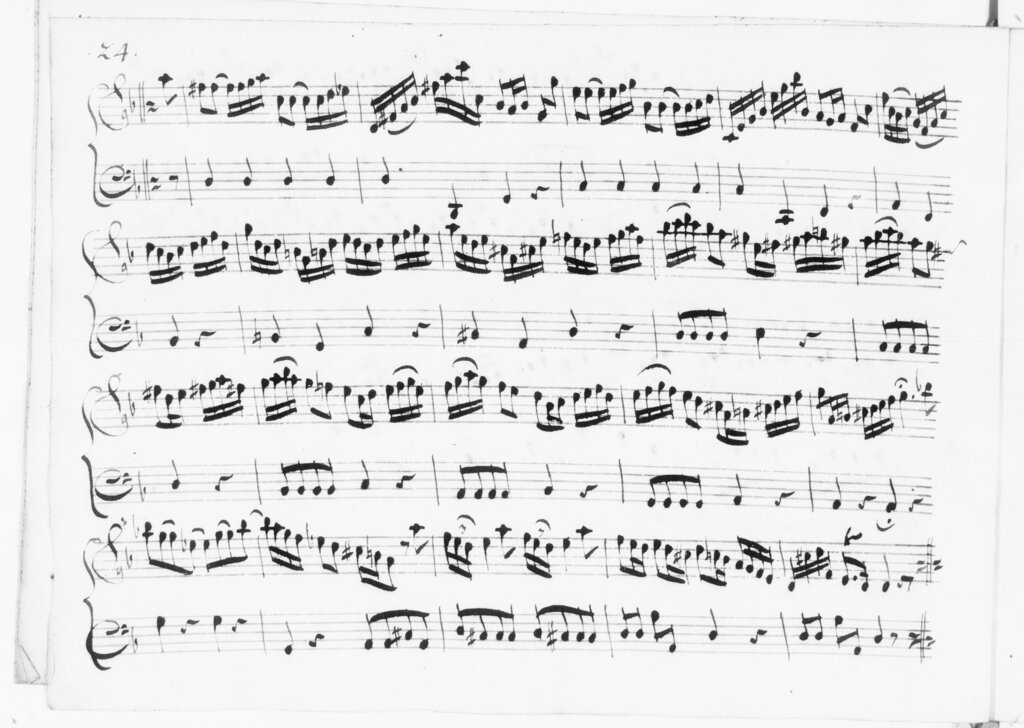
As music moved into the Classical period, the oboe's role solidified. Composers like Wolfgang Amadeus Mozart and Joseph Haydn wrote extensively for the instrument, showcasing its agility and lyrical capabilities in their symphonies and concertos. The oboe wasn't just part of the orchestra; it was a star soloist, capable of conveying deep emotion and brilliant virtuosity.
Ready to test your knowledge?
What was the name of the oboe's loud, medieval predecessor, often used for outdoor fanfares and processions?
The transformation from the shawm to the oboe occurred primarily because...
The journey from the shawm to the Baroque oboe marks a key moment in music history, creating a versatile and expressive voice that would inspire composers for centuries to come.