The Versatile Oboe
Oboe Overview
The Voice of the Orchestra
Among the dozens of instruments in an orchestra, one slender woodwind often gets the first word. The oboe is a double-reed instrument, famous for its clear, penetrating, and slightly nasal tone. It has a voice that can cut through the sound of a full orchestra, making it both a beautiful solo instrument and a crucial reference point for all the other musicians.
Built for a Unique Sound
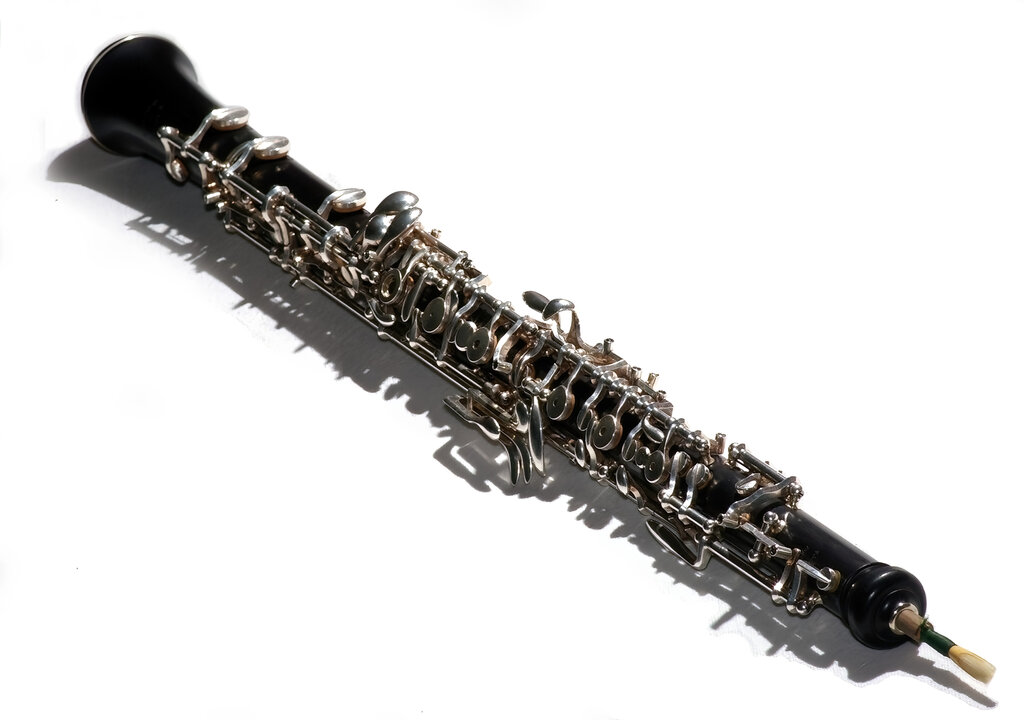
An oboe is typically made from a dense, dark hardwood called grenadilla, which gives the instrument its resonant quality and durability. It’s built in three main sections: the upper joint, the lower joint, and the bell. When assembled, these pieces form a long, gradually widening tube.
This shape is known as a conical bore. Unlike a clarinet, which has a cylindrical bore (the same width all the way down), the oboe's internal diameter steadily increases from top to bottom. This cone shape is a key ingredient in producing the oboe's distinctive tone.
Bore
noun
The hollow interior of a wind instrument's tube. The shape of the bore, whether cylindrical or conical, greatly influences the instrument's sound and tonal characteristics.
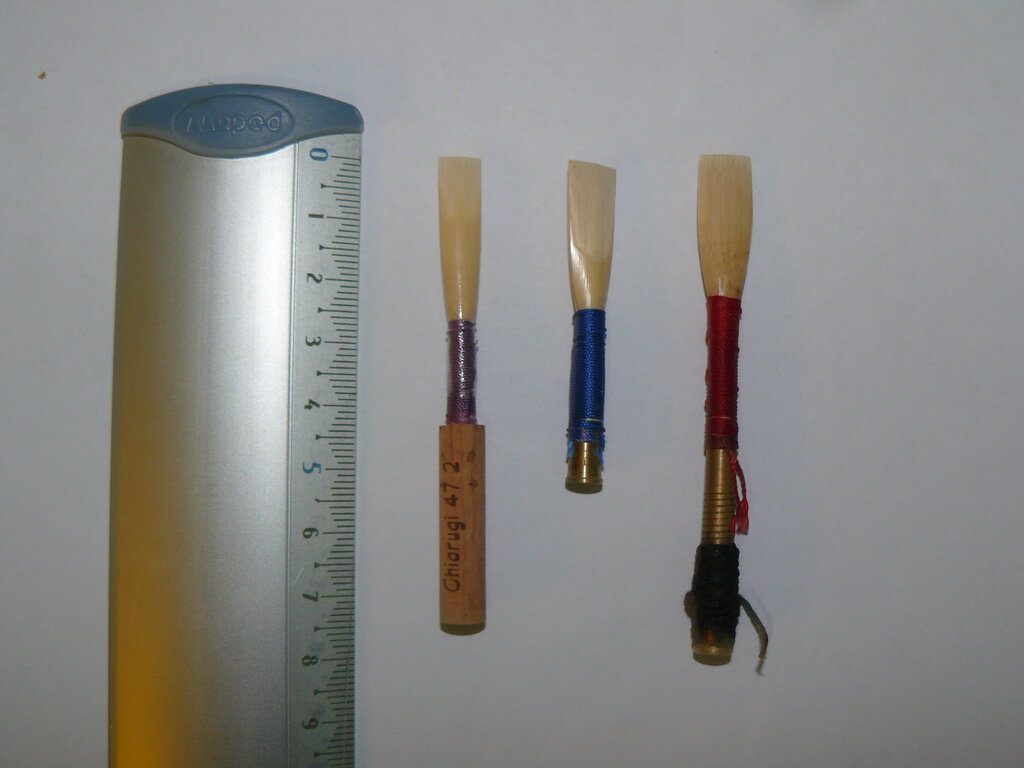
But the true heart of the oboe's sound is its reed. The reed is made of two small, thin pieces of cane carefully tied together. When a player blows air through the tiny opening between them, the two pieces of cane vibrate against each other thousands of times per second. These vibrations create the sound waves that are then amplified by the instrument's body.
The double reed is what sets the oboe apart from other woodwind instruments like the clarinet or flute.
Setting the Tone
The oboe's sound is often described as bright, singing, and focused. Because its pitch is stable and its tone cuts so easily through other sounds, it has a special job in the orchestra. Before a performance begins, the principal oboist plays a single note: an A. All the other musicians listen to this A and tune their own instruments to match it. This ensures the entire orchestra starts in harmony.
Next time you're at a concert, listen carefully before the conductor walks on stage. You'll likely hear the oboe's clear, steady note setting the pitch for everyone.
The oboe's penetrating tone isn't easily drowned out, making it the perfect instrument to provide the orchestra's tuning note.
A Brief History
The oboe evolved from an earlier instrument called the shawm. The shawm was also a double-reed woodwind, but it was much louder and had a more raucous, piercing sound, making it suitable for outdoor music and large ceremonies. It was popular from medieval times through the Renaissance.
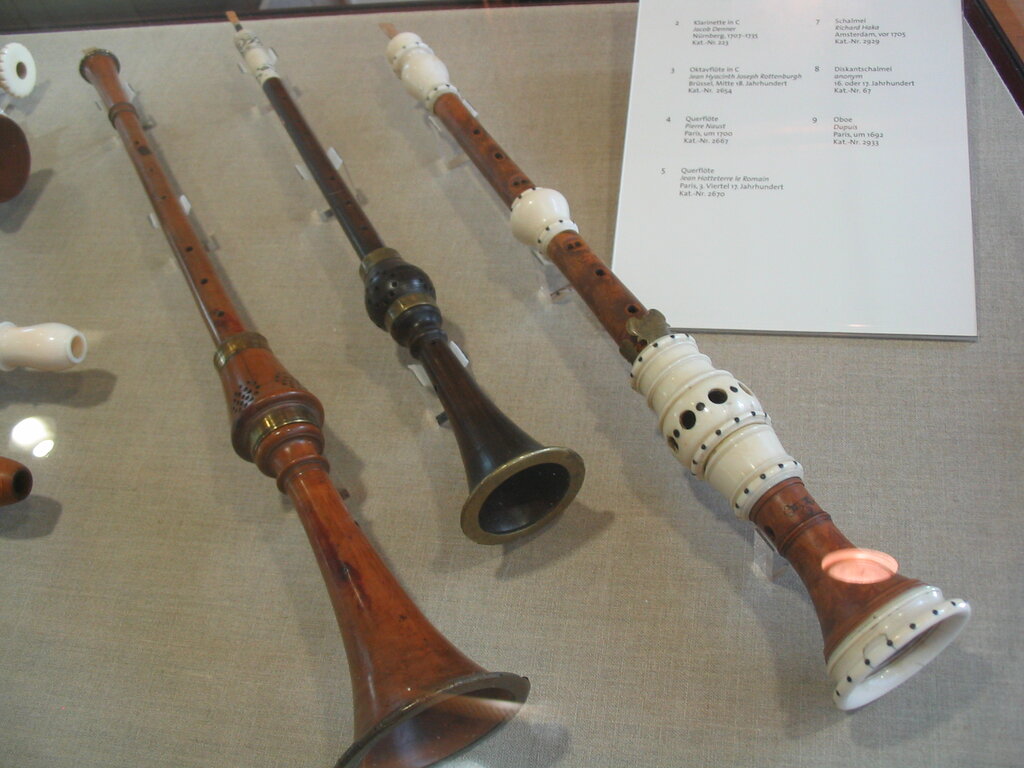
In the mid-17th century, French instrument makers began refining the shawm. They created a more elegant instrument with a narrower bore and a smaller reed. This new version, called the hautbois (French for "high wood"), had a sweeter, more controlled tone suitable for indoor chamber music and the emerging orchestra. Over time, more keys were added to improve its range and intonation, eventually leading to the modern oboe we know today.
high wood
Now that you know the basics of the oboe, let's test your knowledge.
What is the primary reason the oboe is used to give the tuning note for an orchestra?
The oboe's distinctive tone is partly due to its conical bore. How does this differ from the bore of a clarinet?
From its unique construction to its important role in the orchestra, the oboe is a fascinating instrument with a rich history and a truly singular voice.