The Vaccines for Children Program Explained
Introduction to the VFC Program
A Public Health Safety Net
Before the 1990s, a troubling gap existed in American healthcare. While vaccines were available to prevent serious childhood diseases, not every family could afford them. This cost barrier meant that a child's vaccination status often depended on their parents' income or insurance coverage. As a result, many children were left vulnerable to preventable illnesses like measles, mumps, and polio.
This gap became a crisis during a major measles outbreak between 1989 and 1991. The outbreak resulted in tens of thousands of cases and hundreds of deaths, primarily among unvaccinated preschool-aged children. It was a stark reminder that when it comes to infectious diseases, a gap in protection for some can become a risk for everyone.
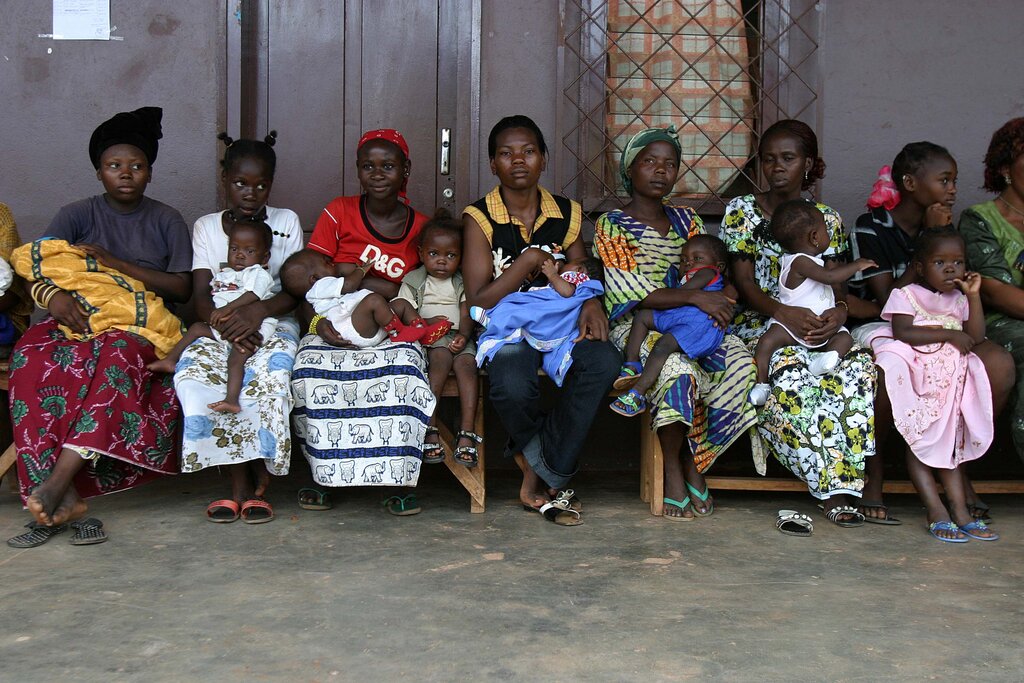
In response, Congress passed the Omnibus Budget Reconciliation Act of 1993, which created the Vaccines for Children (VFC) Program. Launched in 1994, its mission was simple but powerful: to ensure that all children have access to recommended vaccines, regardless of their family's ability to pay. The VFC program essentially created a health safety net, removing cost as a roadblock to vaccination.
How It Works
The program is a collaboration between the federal government and state public health agencies. The Centers for Disease Control and Prevention (CDC) buys vaccines at a discount and distributes them to state and local health departments. These departments then provide the vaccines for free to VFC-registered doctors, clinics, and hospitals.
The goal is to provide vaccines to eligible children without cost for the vaccines themselves. This breaks the link between a family's financial situation and a child's protection from disease.
Doctors who enroll in the VFC program agree to provide the vaccines to eligible children, ensuring that these critical immunizations are available where families already receive their healthcare. This integration makes it easier for parents to keep their children up to date on their shots during routine checkups.
A Healthier Future
The impact of the VFC program has been profound. Since its inception, it has prevented hundreds of millions of illnesses and saved countless lives. By dramatically increasing childhood immunization rates, especially among underserved populations, the program has helped bring many vaccine-preventable diseases to record-low levels in the United States.
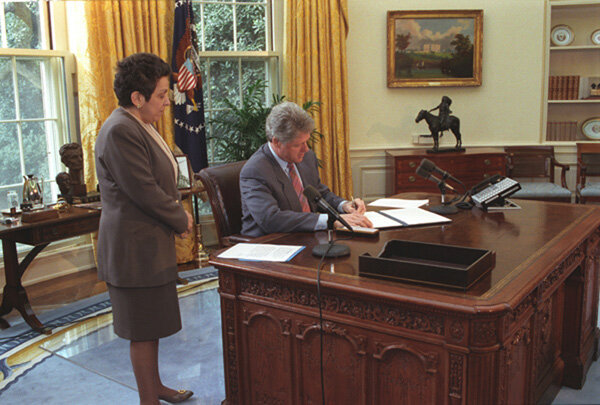
Beyond preventing sickness, the program has also had a major economic benefit. By averting the high costs associated with treating diseases, hospitalizations, and long-term disabilities, the VFC has saved the U.S. healthcare system billions of dollars. It stands as a landmark achievement in public health, demonstrating how a targeted federal program can effectively protect the health of an entire generation.
Time to review what you've learned.
What was the primary barrier to childhood vaccination in the U.S. before the creation of the Vaccines for Children (VFC) program?
A major measles outbreak between 1989 and 1991 was a key event that led to the creation of the VFC program.