The US Electrical Grid Explained
Introduction to the U.S. Electrical Grid
The Journey of Power
The U.S. electrical grid is one of the most complex machines ever built. It's a massive, interconnected network that keeps our lights on. Think of it like a national delivery system, but for electricity instead of packages. Power is created in one place, transported across the country, and delivered right to your outlet.
This journey has three main stages: generation, transmission, and distribution. Each step is crucial for getting electricity from its source to you, safely and reliably.
Let's look at each stage of this journey.
Making the Power
Electricity isn't something we can just find in nature like water or oil. It has to be generated. This happens at power plants, which convert other forms of energy into electrical energy.
Power plants use various fuel sources. Some burn fossil fuels like coal, natural gas, or oil. Others use nuclear fission. A growing number harness renewable resources like wind, sunlight (solar), or moving water (hydroelectric).
No matter the source, the principle is often the same: use an energy source to spin a large magnet inside a coil of wire. This machine is called a generator, and it produces a powerful flow of electricity.
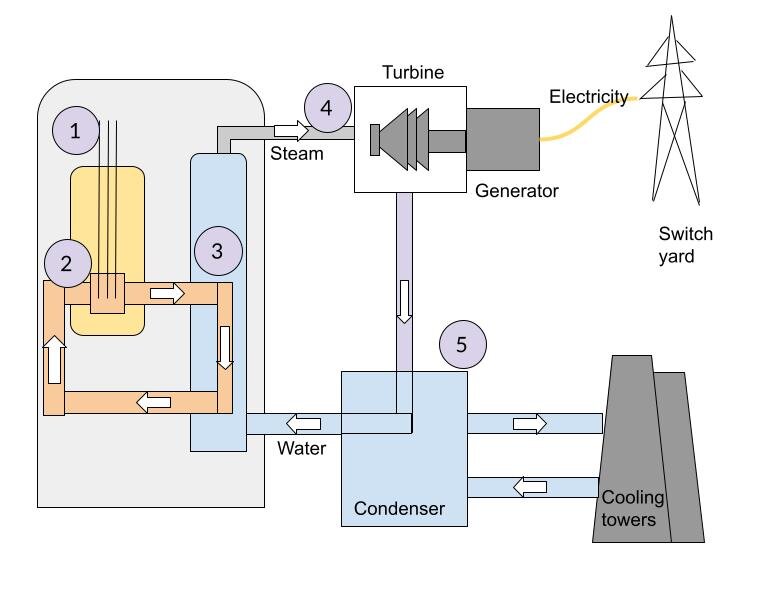
Once generated, this electricity is ready to begin its long journey to homes and businesses.
The Electrical Superhighway
Power plants are often built in remote areas, far from the cities and towns that need the electricity. Getting the power from the plant to the people requires a network of high-voltage power lines. This is the transmission system.
Think of it as the interstate highway system for electricity. Just as highways are designed for high-speed, long-distance travel, transmission lines are built to move large amounts of electricity efficiently over hundreds of miles.
You've seen these lines before. They are the thick cables suspended high in the air by massive steel towers.
Electricity travels on these lines at extremely high voltages, sometimes over 500,000 volts. Why so high? It's all about efficiency. Sending electricity at high voltage reduces the amount of energy lost as heat along the way. Before the electricity enters this superhighway, its voltage is "stepped up" at a substation near the power plant. Then, when it reaches its destination city or town, another substation "steps down" the voltage to a lower, safer level for the next stage of the journey.
The Final Mile
After the high-voltage transmission lines bring power to a local substation, the distribution system takes over. This is the final leg of the journey, delivering electricity to individual consumers.
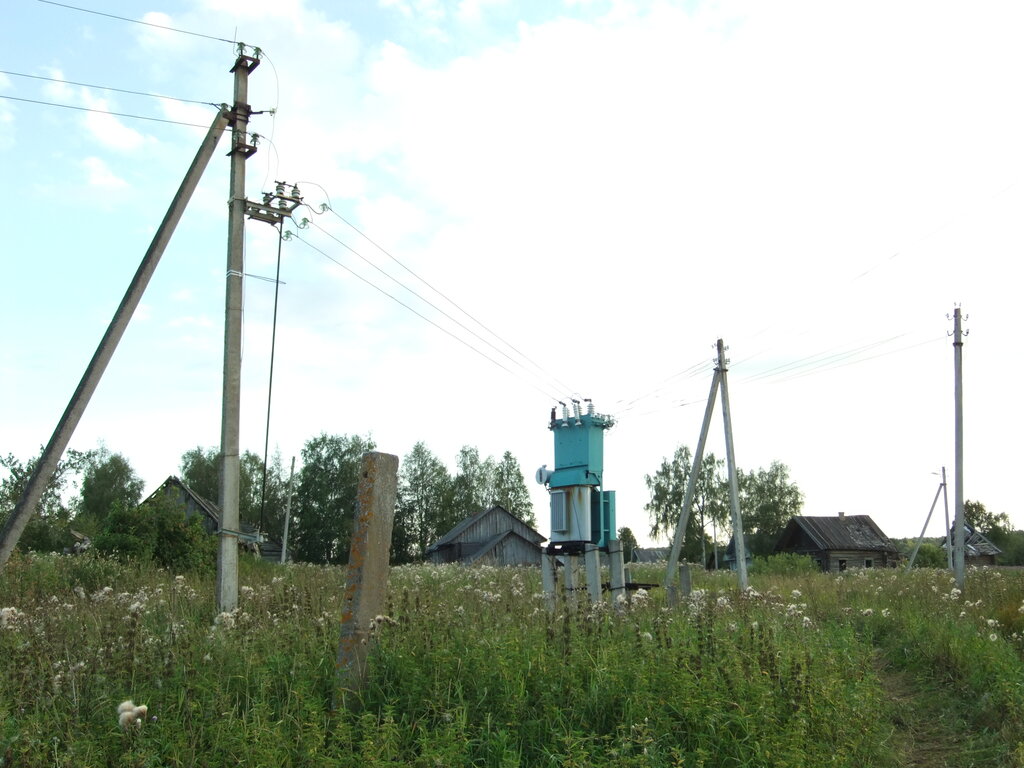
The distribution system is the network of smaller power lines you see along streets, either on wooden utility poles or buried underground. These lines carry electricity at a much lower voltage, which is then reduced one last time by a transformer near your home or business. These transformers, often gray cylinders on poles or green boxes on the ground, ensure the power that reaches your outlets is at the standard U.S. household voltage of 120 volts.
Keeping the Lights On
The entire grid, from power plant to your light switch, must be perfectly balanced. The amount of electricity generated must match the amount being used at every single moment. If there's too little power, you get brownouts or blackouts. If there's too much, it can damage the grid equipment.
This delicate balancing act is the job of system operators. These organizations, often called Independent System Operators (ISOs) or Regional Transmission Organizations (RTOs), monitor the grid in real-time. They work like air traffic controllers for electricity, constantly directing power plants to produce more or less electricity to meet consumer demand.
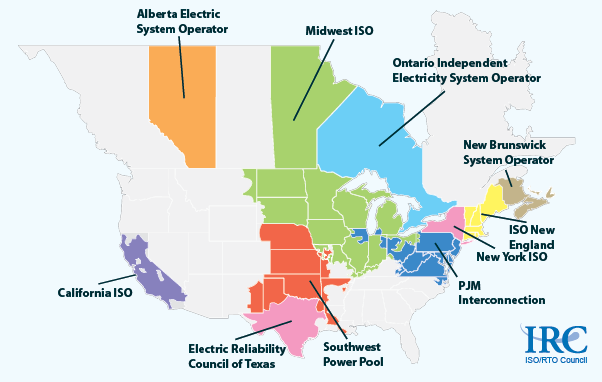
By coordinating generation, transmission, and distribution, these operators ensure that the grid remains stable and reliable, keeping power flowing 24/7.
What are the three main stages of the journey electricity takes from a power plant to your home?
Why is electricity transported over long distances at extremely high voltages?
From massive power plants to the wires running down your street, the electrical grid is a coordinated system designed to deliver power where and when it's needed.