The US Electoral College Explained
Origins of the Electoral College
A President Without a Popular Vote?
In the summer of 1787, delegates from twelve states gathered in Philadelphia for the Constitutional Convention. Their goal was to create a new government for the United States. One of the thorniest problems they faced was how to choose a president. A direct vote by the people, which seems obvious today, was a radical and controversial idea. The delegates were inventing a new form of government, and no one was sure what would work.
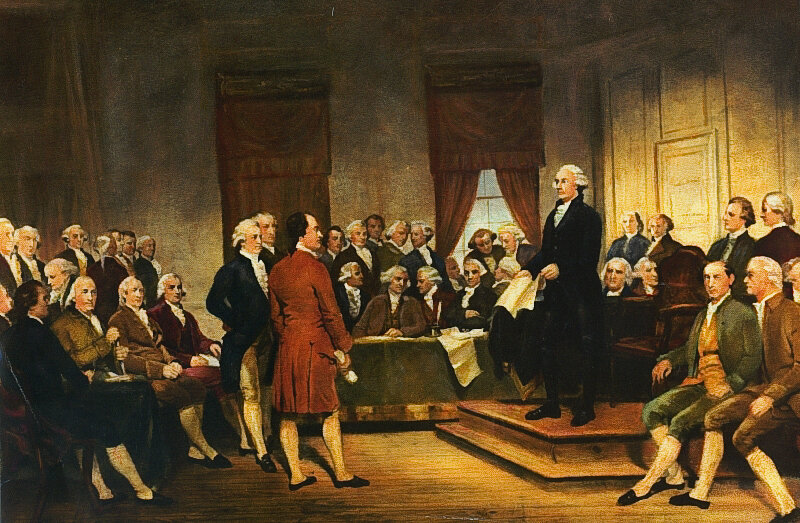
They spent months debating the issue. There were no easy answers, and every proposed solution had serious flaws.
The Great Debate
Several competing ideas were on the table. One popular option was to have Congress elect the president. The thinking was that members of Congress would be informed and capable of making a wise choice. But others, like James Madison, worried this would make the president beholden to the legislature, violating the principle of separation of powers. A president seeking reelection might be tempted to cut deals with Congress for votes.
Another idea was to let state legislatures choose the president. This appealed to those who wanted to protect states' rights and ensure the states remained powerful. However, this approach could create a weak executive, constantly at the mercy of a few large states.
A direct popular election was also proposed. Gouverneur Morris of Pennsylvania was a strong advocate, arguing that the president should be a guardian of the people against legislative tyranny. But many delegates were skeptical. In a country as vast as the United States, they argued, voters wouldn't know enough about candidates from other states. There were also fears of what some called "mob rule," the idea that the public could be easily misled. And critically, a popular vote raised questions about who, exactly, could vote. Each state had different rules, and many excluded men who didn't own property.
The delegates were stuck between a president chosen by a small group of elites in Congress and one chosen by a potentially uninformed public.
A Compromise Emerges
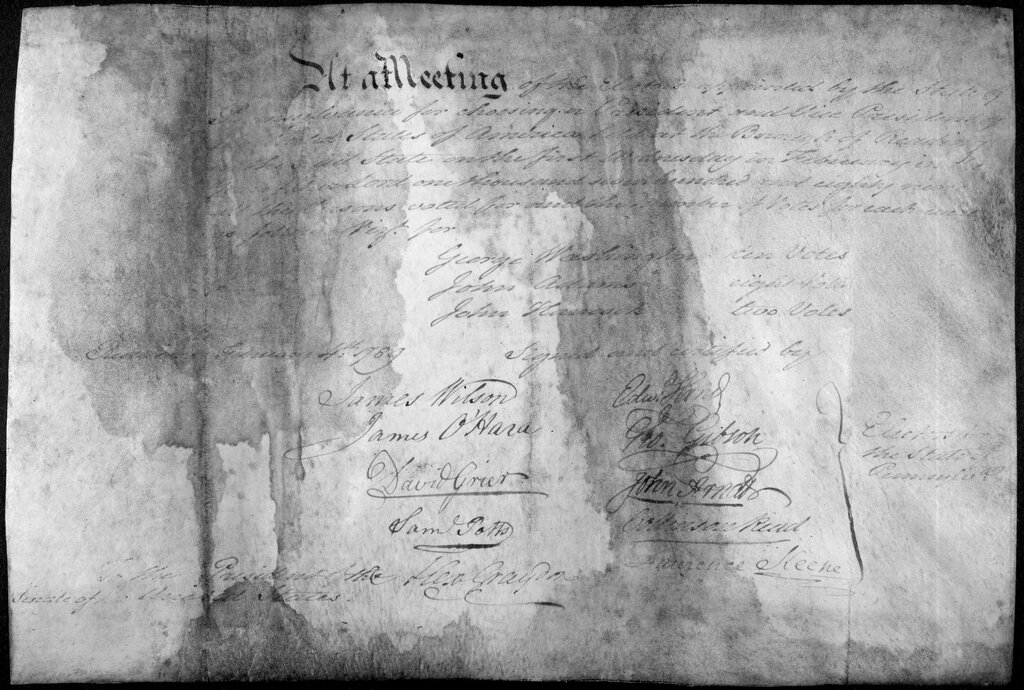
The solution came from a committee tasked with breaking the deadlock. They proposed a system of electors. Each state would be allocated a number of electors equal to its number of representatives in the House plus its two senators. States could decide for themselves how to choose these electors. The electors would then meet in their respective states and vote for the president.
This system, which came to be known as the Electoral College, was a classic compromise. It wasn't anyone's first choice, but it addressed many of the concerns raised during the debates.
It gave states a direct role in the election, satisfying the advocates for states' rights. By having electors—not members of Congress—cast the final votes, it maintained the separation of powers. And it acted as a buffer between the population and the final selection, easing fears about a direct democracy.
The Shadow of Slavery
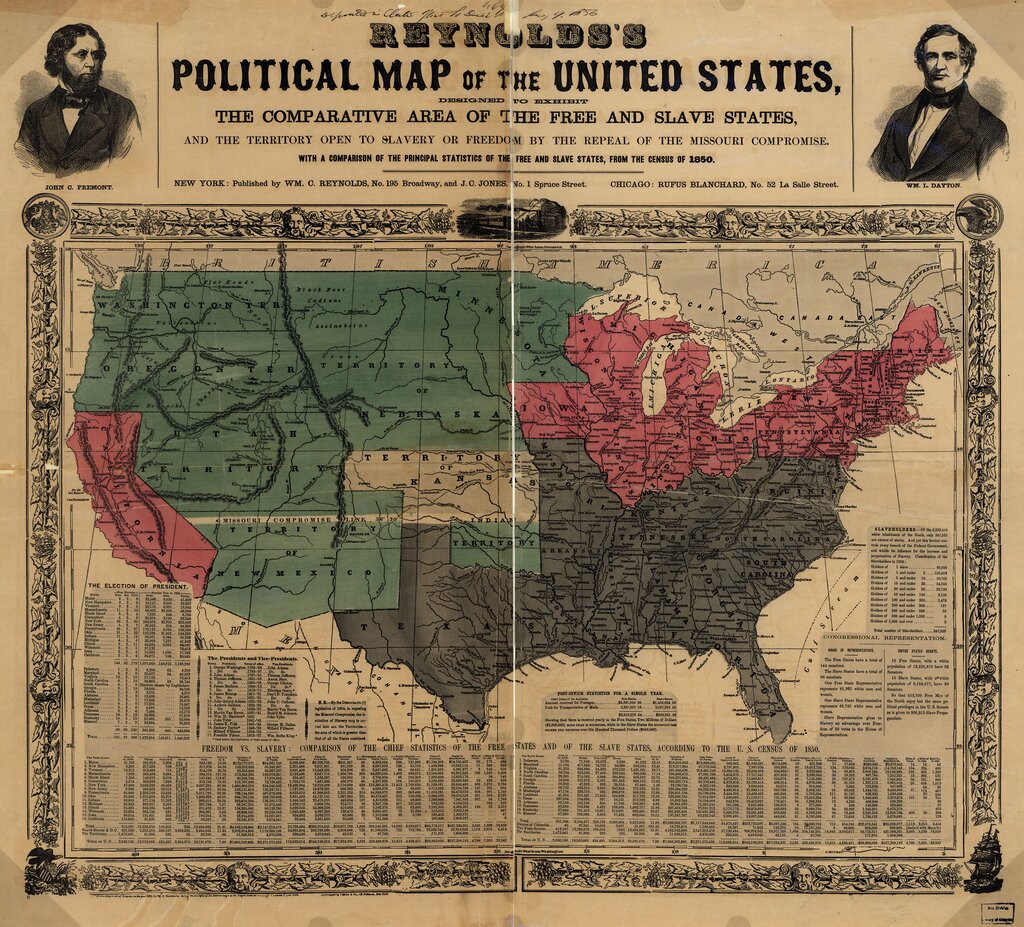
There was another, darker reason the Electoral College appealed to some delegates: slavery. Earlier in the convention, the delegates had agreed to the Three-Fifths Compromise. This decision counted enslaved people as three-fifths of a person for the purpose of calculating a state's population for representation in the House of Representatives.
This compromise had a direct impact on presidential politics. Because a state's electoral votes were tied to its congressional representation, the Three-Fifths Compromise artificially inflated the political power of slave states. Southern delegates supported the Electoral College because it gave them more influence in choosing a president than a direct popular vote ever would. James Madison, a slave owner from Virginia, noted that a popular vote would have given the more populous northern states a decisive advantage. The Electoral College, however, factored in the South's large, non-voting enslaved population, tilting the balance of power.
So, the Electoral College was not the product of a single brilliant idea. It was a complex, practical solution born from a series of compromises over power, federalism, and the legacy of slavery.