The US Election System Explained
Introduction to U.S. Elections
A System of Systems
There is no single U.S. election. Instead, there are thousands of separate elections that happen at the same time, each run by different local governments. This is what's known as a decentralized system. While the federal government sets some ground rules, the actual nuts and bolts of running an election—from registering voters to counting ballots—is handled closer to home.
Think of it like the country's public school system. The federal government might say every school needs to meet certain standards, but it's the state and local school districts that hire teachers, choose textbooks, and set the school calendar. Elections work in a similar way, with power divided across different levels of government.
Who's in Charge?
Each level of government has a distinct role to play in the election process. It's a partnership, though sometimes a complicated one.
The federal government sets the basic, nationwide rules. The U.S. Constitution and its amendments establish fundamental voting rights, like setting the voting age at 18 and banning poll taxes. Federal laws, such as the Voting Rights Act of 1965, protect citizens from discrimination.
State governments do most of the heavy lifting. They are the primary rule-makers for elections. Each state decides its own voter registration requirements, how ballots are designed, and the methods for counting votes. This is why the process for voting in Oregon can look very different from the process in Texas.
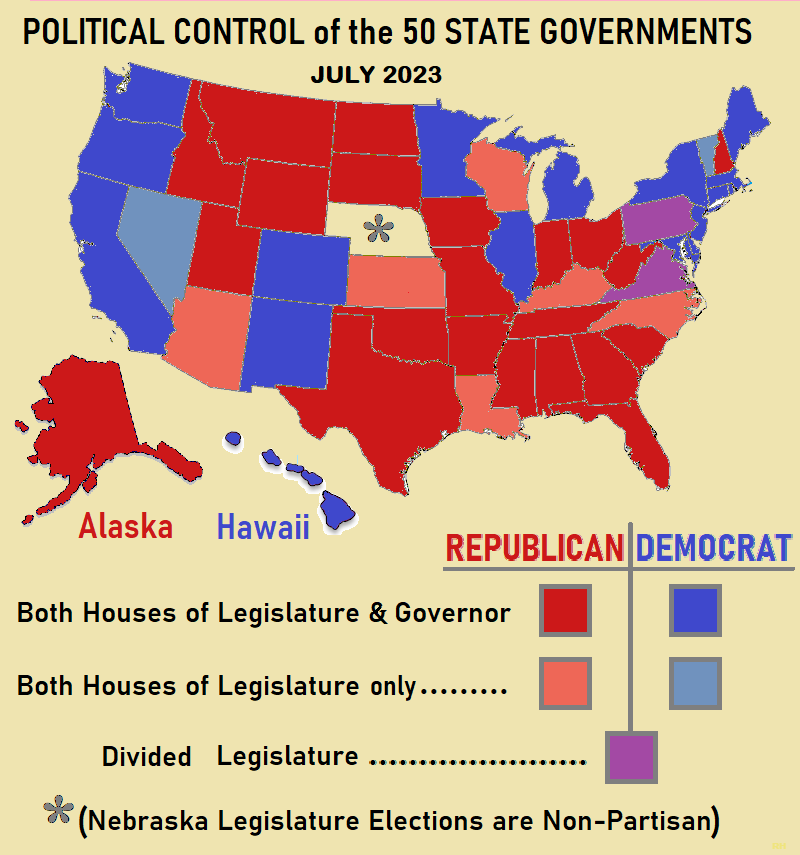
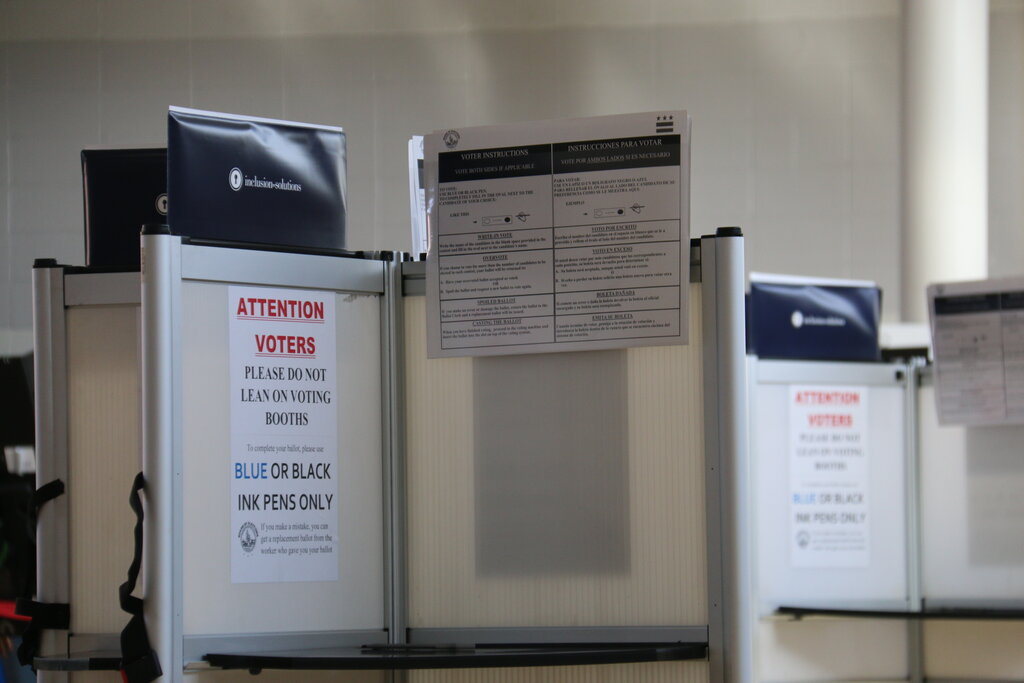
Local governments are the ones on the ground, making elections happen. This is usually managed at the county or city level. These local officials are responsible for practical tasks like printing ballots, setting up polling places, training poll workers, and conducting the initial vote count. They are the face of the American election system for most voters.
What Are We Voting For?
On Election Day, voters are often deciding on a wide range of offices at all three levels of government.
| Election Level | What's on the Ballot | Impact |
|---|---|---|
| Federal | President, Vice President, U.S. Senators, U.S. Representatives | National laws, foreign policy, and federal courts. |
| State | Governor, State Legislators, State Attorney General, State Judges | State laws, education funding, infrastructure, and public health. |
| Local | Mayor, City Council, School Board, County Sheriff, District Attorney | Local ordinances, property taxes, school policies, and community services. |
While federal elections get the most media attention, it's often the state and local elections that have the most direct impact on your day-to-day life. The people elected to your school board or city council make decisions that shape your immediate community.
How to Participate
Participating in an election generally involves two main steps: registering to vote and then casting a ballot.
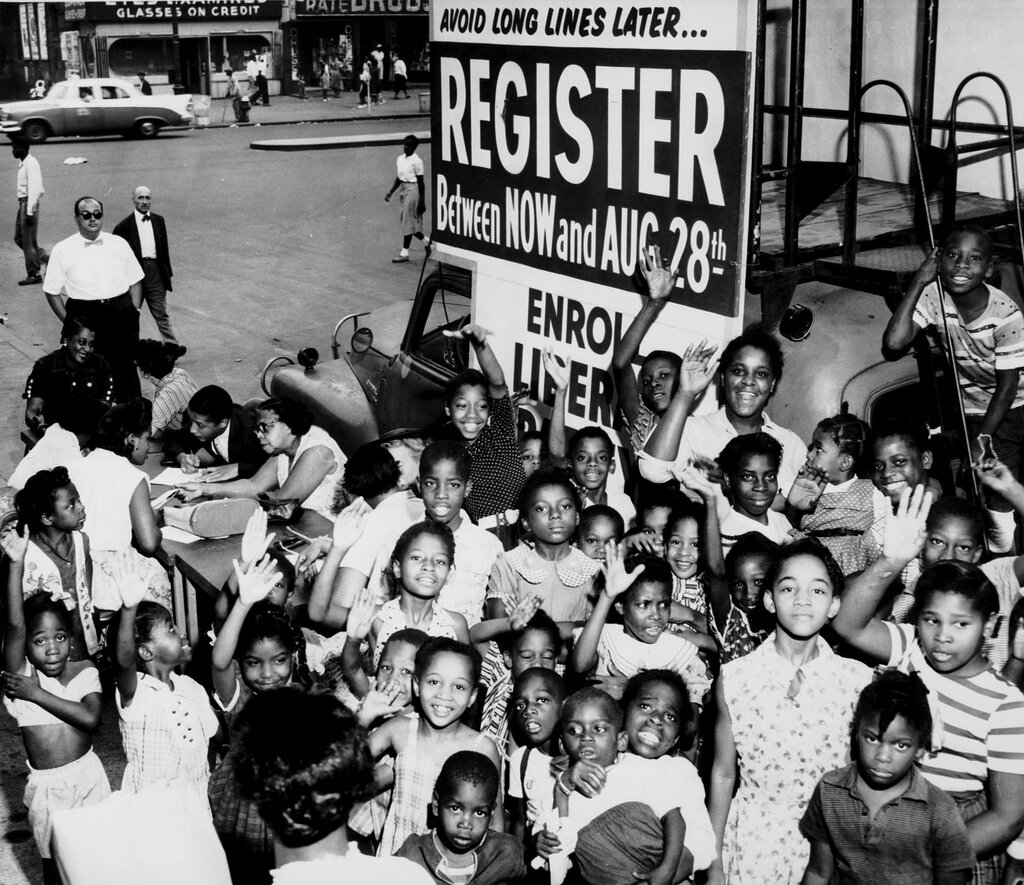
First, you must be registered. This is the process of signing up with your state or local election officials to be placed on the list of eligible voters. Registration requirements, like deadlines and residency rules, vary by state. The purpose of registration is to ensure that only eligible citizens are voting, and that nobody votes more than once.
Once registered, you can cast your vote. This can typically be done in a few ways. The most traditional method is voting in person on Election Day at a designated polling place. Many states also offer early in-person voting or allow you to vote by mail with an absentee ballot. The options available depend entirely on the laws of your state.
This framework of shared responsibilities and multiple layers of government is what defines the U.S. election system. It's a complex process that empowers citizens to have a say in who leads them, from the White House all the way down to their own city hall.
Which term best describes the U.S. election system, where power is divided among federal, state, and local governments?
Which level of government is primarily responsible for the practical, on-the-ground tasks of an election, such as setting up polling places and training poll workers?