The US Education System Explained
Education System Overview
The American Education Landscape
Unlike many countries with a single, national education system, the United States has a decentralized structure. This means there isn't one curriculum or set of rules for every school. Instead, education is primarily managed at the state and local levels, creating a diverse patchwork of schools and standards across the country.
The Path of a Student
The educational journey in the U.S. is typically broken into three main stages. It begins with Early Childhood Education, which includes programs like preschool and pre-kindergarten (pre-K). These are not always mandatory but focus on developing basic social and academic skills before formal schooling begins.
Next is the core of the system: primary and secondary education, commonly known as K-12. This 13-year sequence is generally required for all students and is divided into elementary school, middle school (or junior high), and high school. Students progress through these stages, building a foundation of knowledge across various subjects.
After graduating from high school, students can move on to postsecondary education. This broad category includes everything from vocational schools that teach specific job skills to community colleges offering two-year associate degrees, and four-year colleges and universities that grant bachelor's degrees and beyond.
Who Runs the Schools?
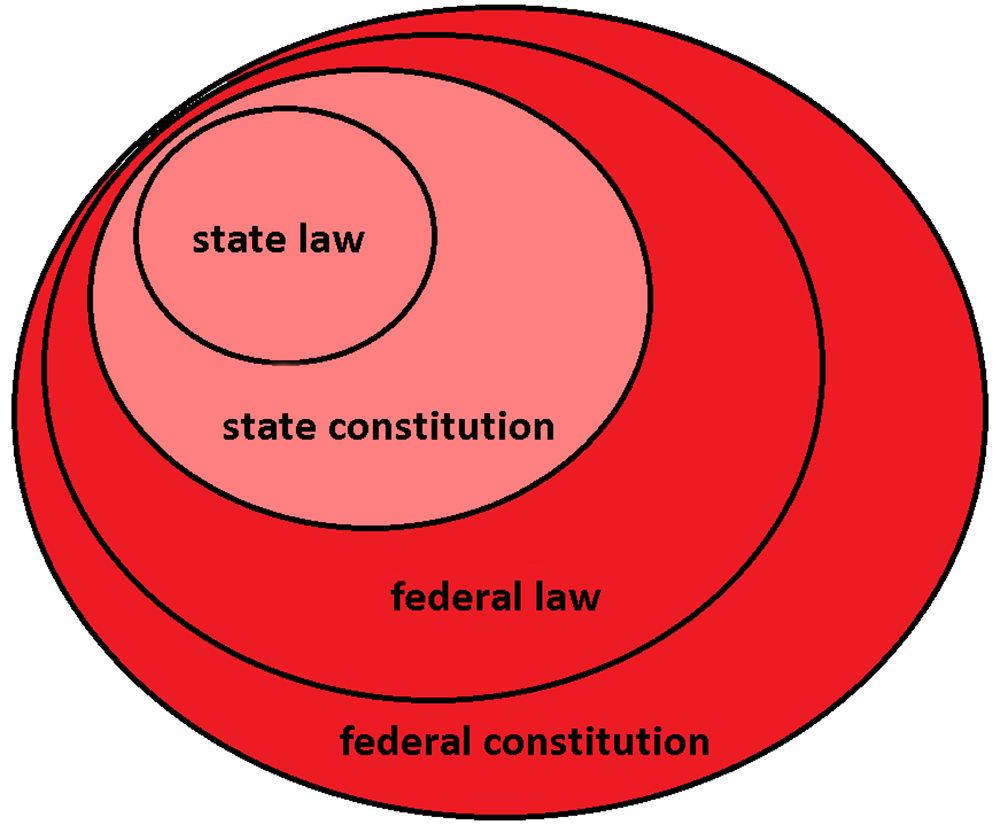
The responsibility for education is shared across federal, state, and local governments, each playing a distinct role.
The Federal Government: At the national level, the Department of Education enforces federal laws, such as those guaranteeing civil rights and access to education for students with disabilities. It also distributes federal funding to states and schools but does not set curriculum. Think of its role as providing guardrails and support, not driving the car.
State Governments: States hold the primary authority over public education. They establish statewide curriculum standards, set requirements for high school graduation, and license teachers. They are the architects of the educational framework within their borders.
Local Governments: This is where the day-to-day action happens. Local communities are usually organized into school districts, each governed by an elected school board. The district hires teachers and staff, manages school property, and implements state education policies. It's the local school board that often decides which textbooks to use and sets the annual school calendar.
Public, Private, and Charter Options
Within this structure, families have several types of schools to choose from. The vast majority of students attend public schools, which are funded by tax dollars and are free and open to all children in their local district.
Private schools are another option. They operate independently and are funded through tuition fees and donations. They are not required to follow state curriculum rules, which gives them more flexibility in their programs. Many private schools have a religious affiliation.
A third type is the charter school. Charter schools are publicly funded like traditional public schools, but they are run independently and have more freedom to innovate with their educational models. They are tuition-free and open to all students, but sometimes admission is determined by a lottery if there are more applicants than available spots.
| School Type | Funding Source | Governance | Curriculum |
|---|---|---|---|
| Public | Taxpayer dollars | Local school district | Follows state standards |
| Private | Tuition and donations | Independent board | Sets its own curriculum |
| Charter | Taxpayer dollars | Independent board | Can be innovative; must meet charter goals |
Beyond these institutions, homeschooling is also a common practice, where parents or tutors provide education at home, following state regulations.
Which level of government holds the primary authority for establishing curriculum standards and high school graduation requirements in the United States?
A school that is funded by taxes and open to all students but is run independently and has more freedom to innovate its educational model is known as a:
This overview covers the basic framework of the U.S. education system, from its structure and governance to the types of schools available. Understanding these components is the first step to seeing how the whole system works together.