The US Banking Sector
Introduction to U.S. Banking
A System Born from Conflict
The U.S. banking system didn't appear overnight. It was forged from a long-standing debate: should the country have a single, powerful national bank or a collection of smaller, state-chartered banks? This tension shaped the financial landscape for over a century.
Early leaders like Alexander Hamilton championed a strong central bank to manage the nation's finances. Others, like Thomas Jefferson, feared that such an institution would concentrate too much power in the hands of the federal government and a wealthy elite. This conflict led to the creation, and eventual demise, of two national banks in the late 18th and early 19th centuries. For decades, the country operated with only state-chartered banks, leading to a fragmented and often unstable financial system.
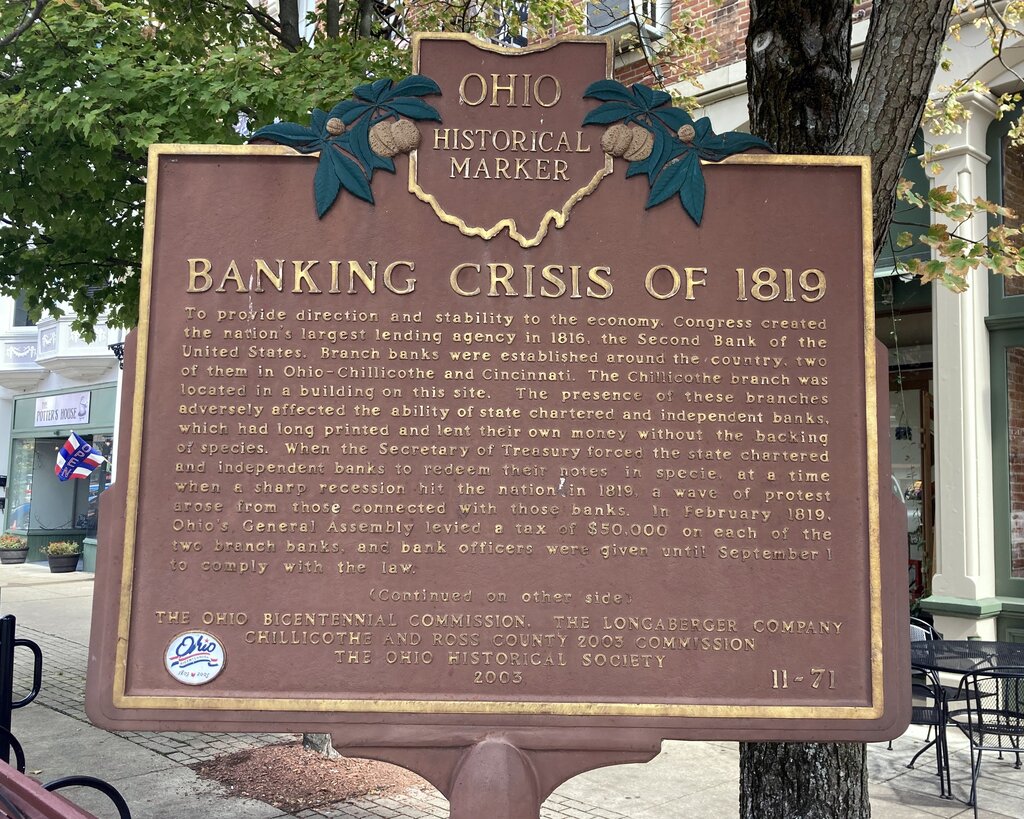
These early struggles paved the way for what is now called the dual banking system. The National Bank Act of 1863 finally created a permanent system of national banks to operate alongside the existing state banks. This structure, unique to the United States, allows for both federal and state oversight of banking institutions.
State vs. National Banks
So what's the difference between a national bank and a state bank? The main distinction lies in who gives them the license, or charter, to operate.
-
National banks are chartered and supervised by the Office of the Comptroller of the Currency (OCC), a federal agency within the U.S. Department of the Treasury. You can often identify them because their names must include "National" or "N.A." (National Association).
-
State banks are chartered by the government of the state in which they operate. They are supervised by their state's banking authority.
This choice of charter determines which set of rules and regulations a bank primarily follows. A bank might choose a national charter for the prestige and uniformity of federal law, while another might opt for a state charter to align with local economic needs and regulations.
| Feature | National Bank | State Bank |
|---|---|---|
| Chartered By | Federal Gov't (OCC) | State Gov't |
| Primary Regulator | Office of the Comptroller of the Currency | State Banking Authority |
| Naming | Must contain "National" or "N.A." | Varies by state |
| Geographic Reach | Can operate nationwide | Traditionally focused within a state |
Enter the Federal Reserve
Even with a dual banking system, financial panics and instability remained a problem. In response to a particularly severe crisis in 1907, Congress passed the Federal Reserve Act in 1913, creating the Federal Reserve System.
The Federal Reserve, often called the Fed, is the central bank of the United States. Its creation marked a major shift in American finance. Its purpose was to provide the nation with a safer, more flexible, and more stable monetary and financial system. All national banks are required to be members of the Federal Reserve System. State banks have the option to join if they meet certain standards.
central bank
noun
A national bank that provides financial and banking services for its country's government and commercial banking system, as well as implementing the government's monetary policy and issuing currency.
The Fed doesn't serve individuals; you can't open an account there. Instead, it acts as a bank for banks and the U.S. government. It plays a crucial role in the economy by influencing money and credit conditions to help promote stable prices and maximum employment.
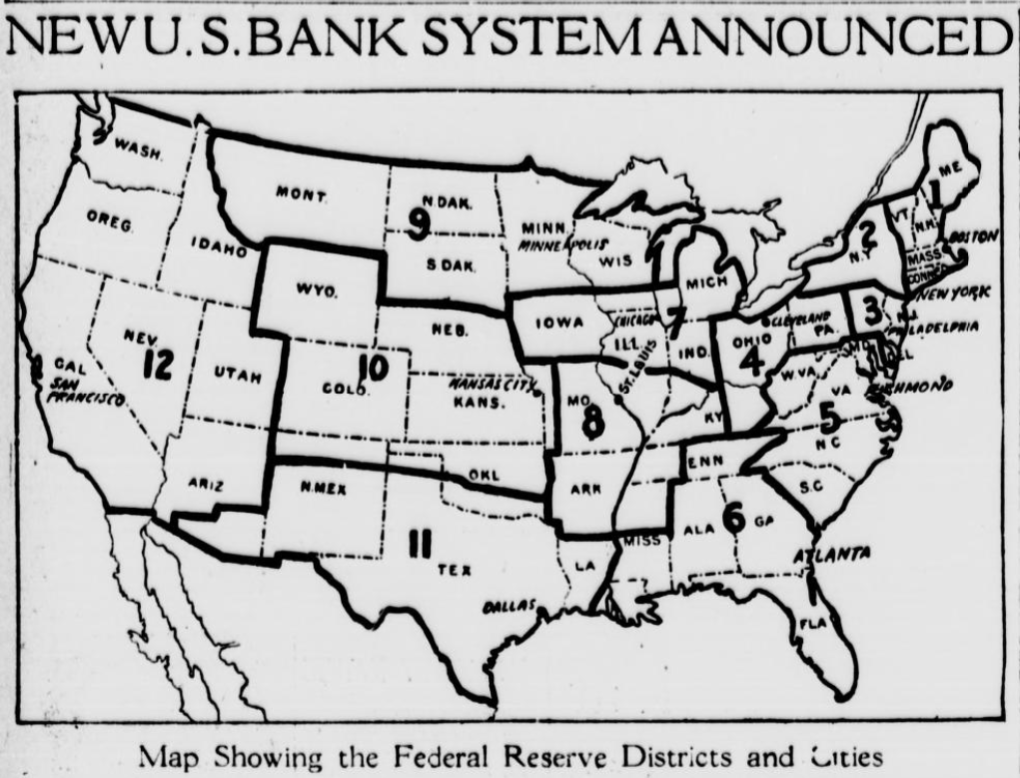
This structure, consisting of state and national banks overseen by a central bank, forms the foundation of modern banking in the United States.