The Unlucky Number 13
Introduction to Superstitions
What Is a Superstition?
A superstition is a belief that one event causes another without any natural or scientific link between the two. It’s the idea that certain actions, objects, or numbers can bring good or bad luck, influencing future events. Think of a baseball player who eats the exact same meal before every game, convinced it helps them win. Or someone who feels a shiver of dread when a black cat crosses their path.
These beliefs aren't based on logic. Instead, they come from a deeply human need to find order and control in a world that can often feel random and unpredictable.
superstition
noun
A widely held but unjustified belief in supernatural causation leading to certain consequences of an action or event.
The Mind's Search for Meaning
Our brains are wired to be pattern-finding machines. This skill helped our ancestors survive by letting them predict where to find food or when to expect danger. But this same instinct can sometimes go into overdrive, causing us to see connections that aren't really there. This is a type of cognitive bias, a mental shortcut our brains take that can sometimes lead to faulty conclusions.
Imagine you're wearing a new pair of socks when you get a job offer. A few weeks later, you wear them again and find a $20 bill on the street. Your brain might start to link those socks with good fortune. You'll probably remember these two events clearly. You're less likely to remember all the perfectly normal, un-lucky days you also wore them. This is how a personal superstition is born.
We tend to notice and remember events that confirm our beliefs, while ignoring those that don't. Over time, this reinforces the superstition, making it feel more and more real.
Superstitions Around the World
While the psychological drive to form superstitions is universal, the specific beliefs vary wildly from one culture to another. What’s considered a sign of good luck in one country might be seen as a terrible omen in another. These beliefs are often rooted in local folklore, historical events, or linguistic coincidences.
| Culture | Superstition | Meaning |
|---|---|---|
| Japan | The number 4 (四) | Unlucky, because it sounds like the word for death (死). |
| Russia | Whistling indoors | Bad luck, thought to blow your money away. |
| Greece | Spitting | Wards off evil, especially after a compliment to prevent the "evil eye." |
| Spain | Eating 12 grapes at midnight | Good luck for the new year, one for each month. |
This diversity shows how superstitions are a product of culture, not universal truth. They are stories we tell ourselves to make sense of the world, shaped by the language, history, and values of the places we live.
Why Numbers?
Numbers are one of the most common subjects of superstition. From lucky number 7 to unlucky 13, certain digits seem to carry a special weight. Why? Because numbers are abstract tools we use to impose order on the world. They measure time, money, and distance, giving us a sense of predictability.
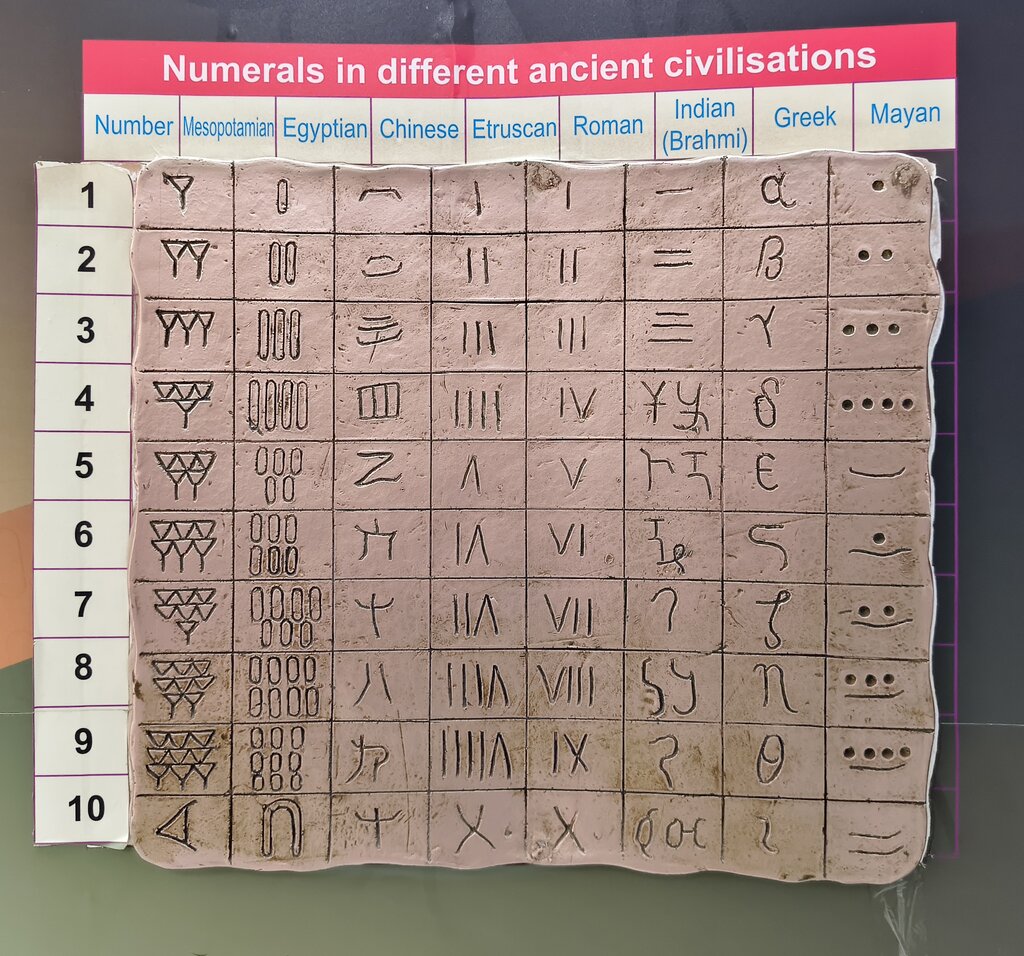
It's a small leap from using numbers to organize our lives to believing they hold a deeper, mystical meaning. Throughout history, cultures have assigned special significance to numbers based on religion, mythology, and even mathematics. They become symbols, carrying with them a heavy load of cultural association that can make them feel powerful, sacred, or even dangerous.
Time to check what you've learned.
What is the best definition of a superstition?
The brain's tendency to form superstitions is a side effect of what useful survival skill?
These basic human tendencies to find patterns and assign meaning are the foundation for all kinds of superstitions, including those surrounding specific numbers.